
A single arrest on Okinawa triggered a month of curfews, a booze ban, and a diplomatic blast furnace.
Story Snapshot
- Japanese police arrested a U.S. Marine on suspicion of killing Anna Yagi in Naha.
- Marine leaders pledged full cooperation and called the allegations serious.
- U.S. forces imposed a 30-day nighttime curfew and a 48-hour alcohol halt.
- Japan lodged strong protests and pressed Washington for accountability.
Alleged Killing And Immediate Arrest
Okinawa prefectural police arrested Lance Cpl. Devin Jacob Ballard, 20, on suspicion of killing 39-year-old Anna Yagi at a hotel in Naha. Police also suspected theft of her wallet and backpack. Reports said Ballard, stationed at Marine Corps Air Station Futenma, denied the allegations as the investigation moved forward. The case jolted Okinawa, where memories of past crimes tied to U.S. personnel still run hot. The arrest quickly escalated from a criminal probe to an island-wide flashpoint.
Military leaders in Japan responded within days. The III Marine Expeditionary Force said it was cooperating with Japanese authorities and stressed that Marines must meet the highest standards of conduct. That stance matched the urgency seen from both Tokyo and Okinawa leaders. The message was simple and tough: respect the law, support the investigation, and prevent any repeat incidents while the case proceeds.
Curfew And Alcohol Ban To Cool Tensions
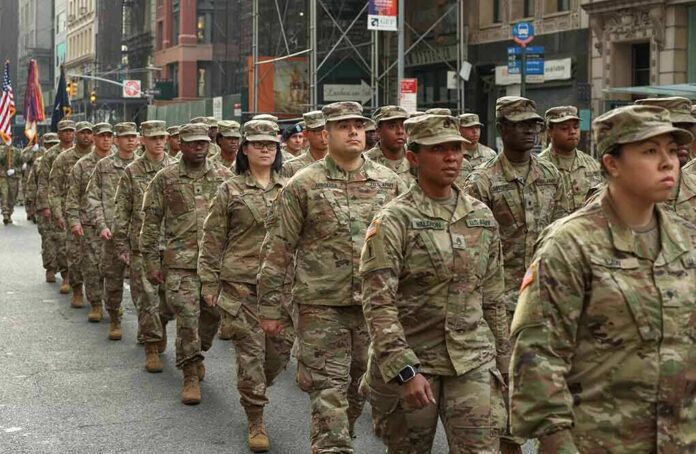
Commanders imposed a 30-day nighttime curfew on U.S. personnel across Okinawa and halted alcohol consumption for 48 hours on and off base. The order aimed to reduce risks in the tense aftermath and show immediate control from the chain of command. The curfew covered midnight to early morning hours when poor choices tend to spike. The alcohol stop created a clear, temporary pause to lower the chance of more trouble while emotions ran high.
The moves fit a pattern in Okinawa after high-profile incidents. Visible rules signal respect for the host community and buy time for facts to come out. The approach is not new and often follows local anger and diplomatic pressure. Leaders balance individual due process with force-wide discipline so the broader mission does not suffer. In a crowded island with long memories, that balance can decide whether trust frays or holds.
Diplomatic Pressure And Public Outrage
Japan’s government moved fast as the case made headlines. Officials summoned the U.S. ambassador and issued strong protests that highlighted the gravity of the allegation and the political weight on both sides of the alliance. Protests in Okinawa and Tokyo added fuel. The swift military restrictions looked designed to meet that moment with tangible steps, not just words. The goal was to calm the streets, steady the alliance, and show that discipline has teeth.
Okinawa carries most of America’s military footprint in Japan, which magnifies every incident. That reality shaped the response. A single violent allegation can reopen old wounds about bases, jurisdiction, and community safety. Leaders who respect order, sovereignty, and partnership act quickly in that space. Tight curfews and sharp alcohol limits are blunt tools, but they send a clear message that standards matter more than convenience.
Discipline, Due Process, And Common Sense
American conservatives care about two things here: law and order, and honoring allies. The chain of command did both. Commanders supported the Japanese investigation, acknowledged the seriousness, and leaned into discipline to keep troops focused and the community safe. That is how a responsible force behaves abroad. It protects the mission and respects the host nation while the courts do their job. One brief point of clarity: an arrest is not a conviction; the case remains under investigation.
"US forces in Japan's southern prefecture of Okinawa have been ordered a 48-hour halt to operations and a month-long nighttime curfew following the arrest of a Marine on suspicion of murder and robbery."https://t.co/fwZauyTofk
— Conrad Hubbard (@conradhubbard) October 7, 2026
Past crimes linked to U.S. personnel still shape local views, which is why leaders cannot shrug off rare but shocking cases. Strong, temporary limits can cool tempers and prevent copycat stupidity. The curfew and alcohol pause may feel harsh to many innocent service members, but they also protect those same troops from risk and retaliation. That trade-off is not theory on Okinawa. It is the cost of staying good neighbors while wearing the uniform overseas.
Sources:
cbsnews.com, independent.co.uk, arabnews.jp, aljazeera.com
© restoreamericanglory.com 2026. All rights reserved.