
A flight attendant spotted the word “hijack” on a passenger’s phone, and a United jet turned back within minutes.
Story Snapshot
- A crew member reported a text about hijacking to the cockpit.
- Pilot told controllers the message mentioned hijacking and crashing a row.
- The Boeing 737 returned to Las Vegas and landed safely with about 150 onboard.
- Police arrested 25-year-old Dante Milne on a terrorism-related charge.
What Triggered The Turnback At 10,000 Feet
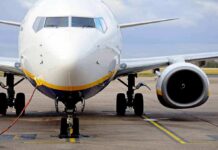
United Flight 1681 took off from Las Vegas for Newark on October 24. Minutes after departure, a flight attendant alerted the cockpit about a passenger’s phone message that included the word “hijack.” Air traffic control audio captured the pilot saying, “The flight attendant saw him texting that he was going to hijack the aircraft.” The crew treated it as an active security threat, requested a return, and set up a quick approach back to Harry Reid International Airport.
Media reports that quote the criminal complaint say the texts included “gonna hijack this” with an expletive, and “crash ur row only.” That phrasing raised the stakes far beyond a vague concern. The cockpit relayed the threat, controllers cleared airspace, and the jet lined up to land. This sequence fits standard aviation security training: act fast, create distance from risk, and put the aircraft on the ground under control.
How The Response Unfolded On The Ground
Police and federal partners met the aircraft at the gate. Officers detained 25-year-old Dante Milne and booked him into the Clark County Detention Center. Local police described the charge as making a threat or giving false information about an act of terrorism. That offense can mean a long prison term if a court finds guilt. No injuries were reported, no breach attempt was reported, and the airline later rescheduled the flight to Newark.
United Airlines issued a careful statement that called the incident a “potential security concern.” That phrasing aligns with airline practice: speak to operations, not to evidence. The Federal Aviation Administration often reviews such cases and leaves criminal matters to local or federal law enforcement. The core operational point stands: the crew received a report of hijacking talk and made the right call to return.
Why Explicit Hijack Language Triggers A Hard Stop
Airline crews do not game out intent at altitude; they remove uncertainty. The past record of aircraft hijackings taught the system to treat explicit threats as urgent. Modern hardened cockpit doors, coordinated crew procedures, and quick communication with controllers allow fast, low-drama turnbacks. The Las Vegas event followed that playbook. The clear message reference, the immediate cockpit report, and the swift landing mark a textbook security response under time pressure.
VIDEO: United Airlines Flight Returns to Las Vegas After Passenger’s Alleged Hijacking Threat
A United Airlines flight bound for New Jersey returned to Las Vegas after a flight attendant reportedly discovered a passenger sending messages referencing a plan to hijack the aircraft pic.twitter.com/Y9GOp0Q3Ei
— AMBUSINESSNG (@ambusinessng) October 27, 2026
Reporters have noted the alleged message quotes and the arrest details. Those claims come from air traffic control audio, police accounts, and media summaries of the complaint. The public does not need every record to judge the cockpit decision. The crew faced language that named hijacking and crashing. Common sense says put the jet on the ground, let investigators sort the rest, and get everyone home safe the next day.
Sources:
cbsnews.com, 8newsnow.com, balleralert.com, ground.news
© restoreamericanglory.com 2026. All rights reserved.