
Saudi defenses say they stopped missiles and drones near Mecca and Medina, while the Houthis insist the holy cities were never the target.
At a Glance
- Saudi officials reported intercepts near Mecca and Medina during recent flare-ups.
- The Houthis denied aiming at the holy cities and claimed different targets.
- A 2016 launch is confirmed by both sides, but the intended target is disputed.
- Airport and oil sites remain stated Houthi priorities, adding to confusion over intent.
What Saudi Arabia Says Happened Near the Holy Cities
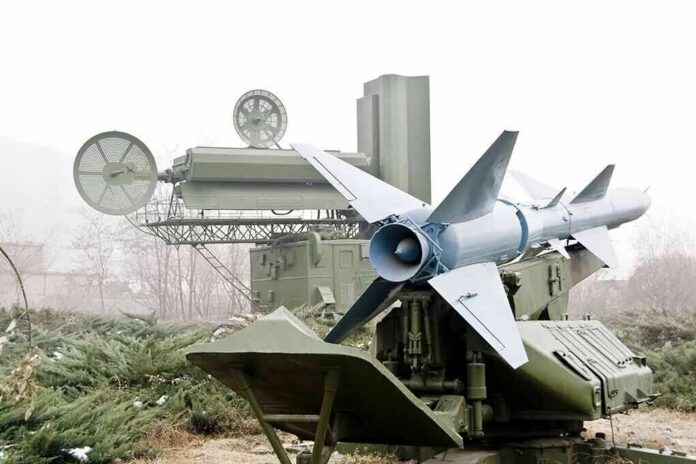
Saudi Civil Defense and the Saudi-led coalition reported intercepting hostile aerial threats near Mecca and Medina during late 2026 alerts. Officials said two ballistic missiles were intercepted toward the Mecca and Medina regions and described separate drone activity over Medina and the Eastern region. These reports fit a long-running pattern of Houthi strikes into Saudi territory and the coalition’s regular air defense responses. The government framed the events as direct threats to the country’s most sensitive areas.
Saudi statements carry weight because they control the radar screens, debris, and logs. That control also means outside observers must often rely on official summaries instead of raw data. The result is a fog of claims that turn missile direction, flight path, and target into a single talking point. Conservative common sense says you judge by capability and pattern first. The Houthis can strike deep inside Saudi Arabia, and Saudi leaders act like they must treat every inbound as a worst-case threat.
What the Houthis Admit, Deny, and Claim as Targets
Houthi military spokesman Yahya Saree rejected claims that the group targeted Mecca or Medina. He said their operations aim at oil facilities, airports, and military bases, not the holy sites. In response to reports of a drone over the Mecca region, he said the group conducted no such operation toward Saudi territory at that time. The movement also said airports serving Mecca and Medina were exempt from its campaign against aviation infrastructure. These denials sharpen the clash over intent.
The Houthi line tracks with their public target list. The group has highlighted airports like Riyadh, oil hubs such as Yanbu and Rabigh, and strategic lines like the East-West Pipeline. This list does not prove restraint in a crisis, but it does outline a doctrine that seeks leverage by hitting fuel and flight, not faith. That stance appeals to global opinion and reduces backlash in the Muslim world. It also gives the Houthis a ready answer when Saudi Arabia sounds holy-site alarms.
The 2016 Precedent: One Launch, Two Stories
The sharpest test case is 2016. Saudi authorities said a Houthi ballistic missile was launched toward Mecca and destroyed about 65 kilometers from the city. The Houthis confirmed the launch but said the missile aimed at King Abdulaziz International Airport in Jeddah, not Mecca. This split matters. It proves reach and intent to hit inside Saudi Arabia. It does not, by itself, prove a plan to strike the holy city. The debate over that single missile set today’s frame.
📰 GCC Secretary-General Condemns Houthi Attacks on Mecca and Medina as UN Warns of Catastrophe in Taiz
💬 Analysis
The combination of an escalation in Houthi attacks on Saudi Arabia and the deteriorating situation in Taiz represents a shift from sporadic security pressure to a… pic.twitter.com/usOALVK94X— Middle East Brief | News & Intelligence (@MEBriefNews) October 31, 2026
Reasonable readers will ask for radar tracks, debris analysis, and exact trajectories. Those records are not public. That gap keeps the argument alive each time interceptors light up over the western provinces. From a security lens, Saudi Arabia must defend Mecca and Medina as if each inbound is aimed at them. From a credibility lens, the Houthis will keep denying holy-site targeting to avoid a red line that would unite the region against them. That tension will persist until data is shared.
How to Read Conflicting Claims Without Getting Played
Start with what is solid. Saudi Arabia reports real intercepts near the holy cities, which signals active threats in that airspace. The Houthis possess the tools to reach those skies and say they focus on airports and oil facilities. Both can be true. A weapon can transit near Mecca or Medina while heading for a different target. Without public telemetry, no one outside command rooms can say more. Prudence demands defense of the holy cities; proof demands records Saudi Arabia has not released.
Policy should punish the actor who fires across borders and puts civilians at risk. That aligns with American conservative values: protect worshipers, shield critical infrastructure, and demand accountability from armed groups backed by hostile regimes. At the same time, rhetoric about “attacks on Mecca and Medina” should match verified intent, not just proximity. Clear facts build moral authority. When the next alert sounds, Saudi transparency on tracks and debris would strengthen its case and isolate the Houthis faster.
Sources:
ynetnews.com, reuters.com, apnews.com, usnews.com
© restoreamericanglory.com 2026. All rights reserved.