
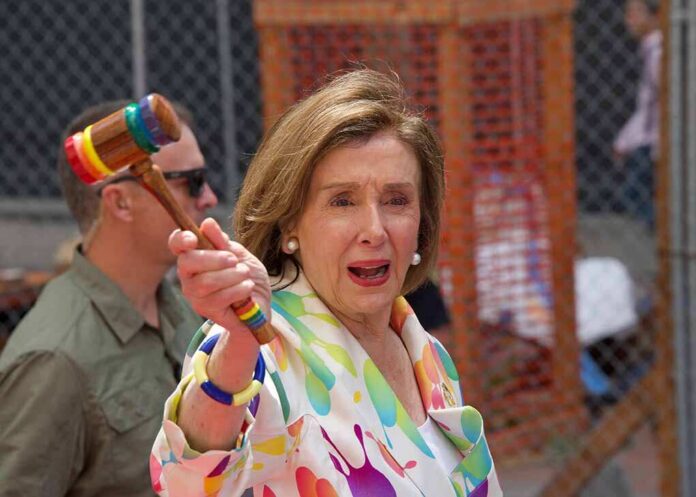
Nancy Pelosi said the quiet part out loud, then scrambled to sand down the edges.
Story Snapshot
- Nancy Pelosi called Abdul El-Sayed’s Israel stance “wrong” and not representative of Democrats in Congress.
- Her rebuke followed an outside ad tying grocery prices to U.S. support for Israel, which El-Sayed disavowed.
- Pelosi’s office later backed El-Sayed’s candidacy while keeping distance on Israel policy.
- The clash spotlights a late-campaign rift Democrats raced to contain in Michigan.
Pelosi’s On-Air Line In The Sand
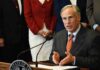
On October 30, Nancy Pelosi drew a bright line on Israel during an On Brand podcast interview. She labeled the position attributed to Abdul El-Sayed and Zohran Mamdani as “more than concerning. It’s wrong,” and said it does not reflect Democrats in Congress. The disputed point centered on Israel’s right to exist as a Jewish state, a question that has dogged El-Sayed for months. Pelosi’s words landed days before Michigan voters headed to the polls, raising the stakes.
Pelosi’s office then moved to contain the blast radius. A spokesperson told reporters she supports El-Sayed’s candidacy on core domestic issues while disagreeing with him on Israel. That split message—rebuke the stance, back the candidate—created a whiplash moment. It looked like classic party triage: police the boundary on Israel, but keep the tent big enough to win a statewide race. Voters heard both the warning and the wink, and each side claimed what it wanted.
The Ad That Lit The Fuse
The spark came from an outside group, not the campaign. Rebellion PAC aired an ad linking high grocery prices to U.S. funding for Israel. In the ad, a couple says they set money aside “for killing Palestinians.” Jewish groups called it antisemitic scapegoating. El-Sayed’s campaign said the ad was “not affiliated in any way” and did not speak for him. The episode showed how fast outside money can hijack a message—especially when the topic is Israel and emotions run hot.
Fortune reported Democrats in Michigan scrambled to project unity as the controversy spread in the final stretch. That urgency tracked with a familiar problem: outside spenders can push extremes that candidates would not, then leave the candidate to clean up the mess. Critics argued the ad blamed Jews for inflation. Supporters of El-Sayed said it targeted policy choices, not a people. Such fights tend to end where they start—inside the gut—long before fact checks arrive.
What El-Sayed Actually Says
El-Sayed’s record shows sharp criticism of Israeli policy and U.S. military aid, paired with calls for equal rights and self-determination for Palestinians and Jewish Israelis. He has avoided a firm yes-or-no on Israel as a Jewish state, saying the question forces definitions and ignores Palestinian rights. Reports cite him labeling Gaza actions genocide and the West Bank system apartheid. That mix places him on the party’s left flank, but not alone there. Allies frame it as a human-rights first view.
@JBreakingNews repost
Even Nancy Pelosi Is Calling Out Abdul El-Sayed: Former Democratic House Speaker Blasts His Views on Israel as “Wrong,” Won’t Even Mention His Name
Former House Speaker Nancy Pelosi, 86, criticized Michigan Democratic Senate candidate Abdul El-Sayed and… pic.twitter.com/5EIv09pHtS
— TheJewishAlly (@TheJewishAlly) October 30, 2026
Here is the catch: the clearest trigger for Pelosi’s blast was not a new El-Sayed quote, but the ad storm and months of hedged answers about Jewish statehood. The New York Times framed the interview question as whether Israel has the right to be a Jewish state; Pelosi rejected the view and the idea that it reflects congressional Democrats. On the evidence, her claim about consensus reads like a political judgment, not a roll-call fact. It matches how party elders protect coalition boundaries in a crunch.
The Conservative Read On The Moment
Common sense says leaders should speak plainly on first principles. Israel’s right to exist as a Jewish state is one. When a candidate dances around that, people see it. Pelosi, a seasoned vote counter, likely knew her base of elected Democrats was not with El-Sayed on this core point. She enforced the line, then tried to keep the seat. That is politics. It also shows a lesson conservatives repeat: outside groups can warp debate, but clear values beat clever ads when the lights are bright.
Why This Fight Will Outlast Election Day
The argument is bigger than one race. Democrats are split into camps on Israel—one opposing military aid and using terms like genocide or apartheid, a larger group favoring conditions on aid, and an establishment wing defending the alliance with targeted criticism. That spread makes it hard to claim a single “Democratic” view. Pelosi still drew a hard boundary on Jewish statehood. Expect more lines like that. Expect more outside ads to test them. And expect voters to punish hedging when the question is simple.
Sources:
twitchy.com, fortune.com, nytimes.com, thejewishnews.com, timesofisrael.com, jewishinsider.com, jewishchronicle.timesofisrael.com, yahoo.com
© restoreamericanglory.com 2026. All rights reserved.