
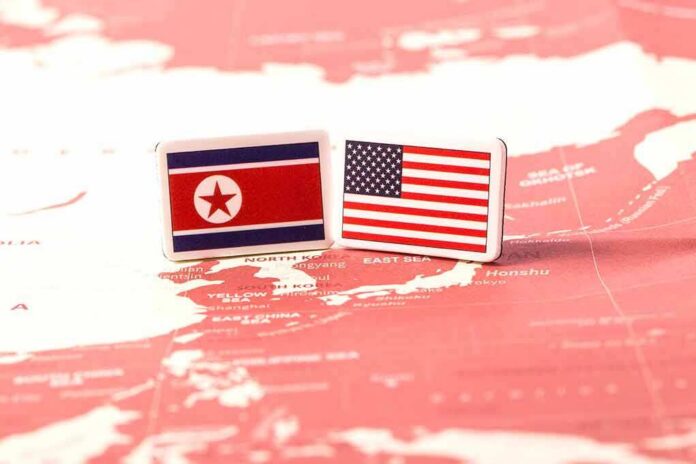
The FBI says North Korea stole over $6 billion from Binance in minutes, a record-shattering hit to digital finance.
Story Snapshot
- The Federal Bureau of Investigation (FBI) attributed the Binance theft to North Korean hackers tracked as TraderTraitor.
- Media reports called it the largest crypto heist in history, with losses topping $6 billion.
- Blockchain analysis firms also tied the attack to North Korea’s TraderTraitor group with high confidence.
- Past experts say North Korea has stolen billions from crypto platforms across many attacks.
FBI Attribution To North Korean TraderTraitor Group
The Federal Bureau of Investigation said North Korea stole more than $6 billion in virtual assets from Binance on or about October 29, 2026. The bureau linked the theft to North Korean cyber actors it tracks as TraderTraitor. The FBI alert placed the event within known patterns of theft and laundering from the same network. The announcement came days after the hack, as investigators worked with industry partners. The scale of the loss made this case stand out worldwide.
Reporters noted the speed and size of the outflows. Analysts said the theft unfolded within minutes, draining wallets at the world’s largest crypto exchange. Coverage framed it as the largest crypto heist on record, surpassing earlier major breaches. The FBI statement underscored ongoing efforts to trace funds and disrupt laundering paths. The agency’s naming of TraderTraitor matched prior federal and private reporting on North Korean-linked tactics and targets in the crypto sector.
Independent Forensics And Pattern Of North Korean Crypto Theft
Blockchain intelligence firm TRM Labs attributed the breach to the same North Korean cluster, citing on-chain and off-chain evidence. The firm’s assessment aligned with the FBI’s designation of TraderTraitor and with earlier links to other large thefts. These private findings supported the government’s public case and helped exchanges, wallet providers, and analytics tools flag suspect flows faster in the aftermath.
Researchers and former United Nations experts have described a long-running North Korean campaign against digital assets. Estimates point to billions stolen over recent years through dozens of attacks on exchanges and bridges. These operations fund the regime and exploit weak points in compliance and custody. Prior work urged a focus on choke points where stolen coins get cashed out, which has helped recover portions of past heists.
Why This Matters For Americans And The Financial System
This theft hits more than crypto traders. A foreign adversary raided a global marketplace at historic scale. That can shake confidence in digital payments and in the security of private platforms. When platforms fail to defend customer assets, regular people pay the price. Americans who distrust elites see more proof that big players profit while small investors hold the risk. This case also pressures agencies to show coordination that protects citizens, not just headlines.
NEW: Donald Trump says the U.S. will "talk to North Korea" if Pyongyang is confirmed behind the $6.3B Binance hack, following formal FBI attribution to DPRK cyber unit TraderTraitor.
Quick read by @BTCWires:https://t.co/vvLG9xZlBF#Trump #Binance #Crypto #NorthKorea pic.twitter.com/Cc8Kcjd9X9
— BTC Wires Official (@BTCWires) November 1, 2026
Government and industry now face three urgent tasks. First, track and freeze flows from the stolen wallets before conversion. Second, harden exchange defenses, including key management, withdrawal controls, and staff security. Third, improve cross-border seizures by tightening rules at cash-out hubs. Prior seizures in other hacks proved that targeted pressure at exchanges and mixers can claw back funds. Each day that passes makes recovery harder and rewards hostile states.
Limits, Next Steps, And What To Watch
Public alerts rarely share all technical details. That is normal in nation-state cases, where revealing methods can burn sources. Still, the core facts here rest on named government and private attributions and the visible on-chain trail. Watch for updates on frozen assets, any arrests of money mules, and whether law enforcement names specific wallets tied to the laundering phase. Also watch whether other exchanges tighten rules to spot related deposits quickly.
Sources:
dailymail.com, fbi.gov, abcnews.com, finance.yahoo.com
© restoreamericanglory.com 2026. All rights reserved.