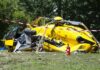
Two helicopter pilots died after their aircraft crashed while fighting a wildfire in central Utah, and the fire itself made the rescue harder.
Quick Take
- The helicopter crashed near Richfield while working the Widemouth 2 Fire, according to officials and news reports.
- Authorities later confirmed that both people on board died.
- The crash sparked another blaze and worsened an already dangerous fire scene.
- Fire conditions blocked quick access to the wreckage, which delayed confirmation and recovery.
The Crash and the First Reports
Officials said the Sikorsky S-64 helicopter went down on Friday morning while supporting wildfire suppression near Richfield, Utah. Early reports said two people were on board, but their condition was not clear at first. That uncertainty fit the scene: active flames, steep terrain, and a crash site that crews could not reach right away.
The aircraft was working on the Widemouth 2 Fire, one of several helicopters assigned to the response. The National Interagency Fire Center later confirmed that both occupants were killed, and the Sevier County sheriff said the bodies were recovered once crews could enter the area. The helicopter also ignited a new fire when it crashed, adding yet another problem for firefighters already stretched thin.
Why the Scene Stayed Confused
Wildfire crash sites often produce a messy first hour, and this one was no exception. KUTV reported that emergency crews could not access the crash site because of fire growth and unsafe conditions, while the Associated Press said responders were unable to reach the scene Friday evening because of the flames. In plain terms, the fire did not just cause the accident; it also delayed the answer everyone wanted.
That delay matters because public reporting moved in stages. At first, officials confirmed only that a helicopter had crashed and that two people were aboard. Later, after crews reached the wreckage, authorities confirmed the deaths. This is the usual pattern in remote wildfire accidents, where the first facts are solid but incomplete, and the full picture arrives only after the area becomes safe enough to enter.
The Aircraft, the Mission, and the Stakes
The helicopter was identified as a contract aircraft working for the United States Forest Service, a detail that matters because it shows how deeply civilian aviation supports wildfire response. The aircraft was not on a sightseeing flight or a routine transport job. It was operating in the hottest part of the firefight, where pilots fly low, close to smoke, heat, and shifting winds. That is brave work, but it is also unforgiving work.
🔥 BREAKING NEWS: Two firefighting pilots are dead after their Sikorsky S-64 helicopter crashed while battling the massive Widemouth 2 Fire in Utah's Fishlake National Forest, officials confirmed .
🚁 The Crash and the Fire
The helicopter, operated by Helicopter Transport… https://t.co/WKVRtrX8zK— The World Correspondent (@TheWorldCorresp) August 9, 2026
Some early coverage included tentative language, with one local report saying an official feared the two people on board did not survive before formal confirmation arrived. That caution was understandable, but the later record is clear: the National Interagency Fire Center and local officials confirmed the deaths, and the crash is now under investigation by the Federal Aviation Administration and the National Transportation Safety Board. The cause has not yet been determined, and that is the next question investigators will have to answer.
What Makes This Story Hit Hard
Wildfire aviation rarely gets the attention it deserves until something goes wrong. Then the scale of the risk becomes impossible to miss. A pilot and crew member flew into a fire zone to protect homes, forests, and the people on the ground, and both lost their lives in the attempt. In a year when fast-moving wildfires keep testing crews across the West, this crash is a blunt reminder that the people in the cockpit are part of the same danger they are trying to control.
Sources:
nypost.com, kutv.com, apnews.com, youtube.com, aol.com, instagram.com
© restoreamericanglory.com 2026. All rights reserved.