

The university opened cases that could have led to expulsion—then backed down in days.
Story Snapshot
- The University of Utah launched inquiries into two College Republicans over alleged doxxing.
- Officials cited harassment and improper sharing of personal information as concerns.
- Campus protests and online fury raised the stakes and blurred key facts.
- The university dismissed both inquiries after swift review and clarification.
How a viral cake photo became a conduct case
University of Utah officials opened accountability inquiries after reports that two College Republicans tried to doxx a peer during a political dispute. The trigger followed a viral image of a student with a “Kirkiversary” cake, which critics read as celebrating Charlie Kirk’s death. The school said the clash drew claims of harassment, threats, and improper sharing of personal information. It framed the line: speech is protected, but calls to harm or invasive exposure are not.
Administrators told one student that the report alleged an attempt to doxx another student over a political issue. Media described anonymous complaints to the dean’s office that the posts could be electronic harassment. The claims centered on social media, yet public reports did not show exactly what personal data, if any, was shared. That missing piece made the charge hard to assess in public view and fueled debate over where criticism ends and doxxing begins.
What the university said and why it matters
The university’s official statement stressed two principles. First, political speech, even harsh speech, is protected. Second, threats, electronic harassment, and inappropriate sharing or amplification of personal data are not protected under campus rules. That stance tracks the common sense boundary many Americans expect: argue hard, but do not target a person’s safety or privacy. The problem came in the details. The public record did not show which data crossed that line, if any.
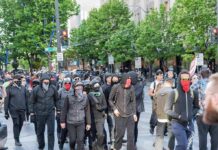
Pressure rose as protests and social media amplified dueling claims. Students demanded accountability and argued that doxxing is not free speech. Others warned the school against punishing viewpoint-based speech. Outrage often moves faster than facts. When institutions respond to waves of anger without clear evidence, they risk looking selective or biased. That appearance can be as damaging as the act they seek to curb, especially on a public campus bound by the First Amendment.
Why the cases were dropped
Within days, the Dean of Students Office dismissed the inquiries into both students. The university said it received clarification from a representative and closed the matters. No public finding of responsibility appears in the reporting. That ending undercuts the most severe allegations and supports a narrow reading: there was not enough to proceed. It also shows how fast a university can move from opening a file to standing down when the facts do not support sanctions.
JUST IN: After ENORMOUS public backlash, the University of Utah has formally TERMINATED plans to consider expelling College Republicans VP Rylie Barnes after she simply exposed that a leftist student celebrated Charlie Kirk's assassination
The email confirms it: "I apologize for… pic.twitter.com/Fqjvk176i0
— Sergeant News Network (@sgtnewsnetwork) September 18, 2026
The dismissal aligns with long-standing guidance on campus speech. Public universities can address true threats, targeted harassment, or intentional exposure of private identifiers. They cannot punish protected political speech because it offends. Institutions should act on verifiable conduct, not crowd anger. American conservative values and common sense meet here: protect robust debate, punish actual harm. The university’s final step matched that standard; the initial rush did not clearly do so.
The lesson for every campus
Administrators should narrow policies to target clear harms: posting home addresses, phone numbers, or other private identifiers with intent to expose. They should publish the rules in plain language and enforce them evenly across viewpoints. When a dispute erupts, they should secure the posts, define the alleged data, and set a quick evidentiary check before opening high-stakes cases. That sequence guards free speech and shields real victims from abuse without fueling partisan fire.
Sources:
townhall.com, foxnews.com, abc4.com, kutv.com, ksl.com, attheu.utah.edu, thegatewaypundit.com
© restoreamericanglory.com 2026. All rights reserved.