

Paris saw crowds march against rising prices—and then watched shop windows explode as looters fanned out through the streets.
Story Snapshot
- Paris marches over living costs ended with smashed windows and looted stores.
- AFP journalists saw crowds target shops; officials decried the vandalism.
- Specific Paris targets included Galeries Lafayette, Lacoste, and an SFR shop.
- Similar scenes hit other cities, including Marseille and Lille.
From March To Melee: How A Cost Crisis Ignited A Night Of Looting
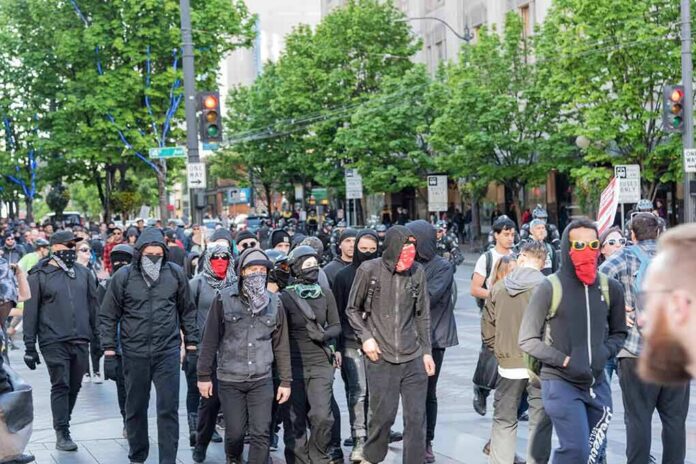
Hundreds of thousands protested across France over the cost of living. In Paris, the day turned when groups broke off from the march and attacked shops. Reporters on the ground saw windows shatter and crowds rush in. One skincare store near Place de la République had its window smashed. Looters hurled beauty items to people gathered outside. A mobile phone shop was breached, and devices were tossed into the street. Police tried to push back as the chaos spread.
City officials called out the violence while backing the right to protest. Paris deputy mayor Emmanuel Grégoire said most people wanted a calm march, but vandals tarnished it. He described whole streets in Paris as devastated after the breakaways hit shopfronts and kiosks. That framing tracks with a hard truth of big demonstrations. A small, masked core can turn a peaceful cause into a street fight in minutes, and the headline images then define the night.
What Got Hit: Flagships, Fashion, And Phones
Specific targets in Paris stood out. Rioters tried to force entry at Galeries Lafayette, the famed department store. A Lacoste shop was ransacked. An SFR mobile phone store was looted. These details came as fires burned in parts of the capital and police charged to split up groups. The scenes echoed episodes seen in past French unrest, when brand-rich streets became magnets for smash-and-grab sprints during crowd surges.
Across the country, similar patterns played out. Agence France-Presse reported looting in several cities and cited its own staff on the scene. An Hermès boutique in Marseille was targeted. Crowds pressed toward the Champs-Élysées area in Paris, where luxury flagships line the avenue. Stores ranging from pharmacies to electronics vendors took hits. The spread showed how fast roving groups exploited thin police lines and dark side streets to hit soft targets.
Police Tactics, Street Dynamics, And The Timing Problem
Police faced two overlapping missions: guard the main march and stop satellite raids on shops. That split favors agile looters. They look for gaps when police units redeploy or escort the march. They also hit at dusk, when light fades and crowds thin. Officers charged and used crowd-control gear to retake blocks, but the damage mounted before order returned. The lesson is old but sharp: once glass breaks, copycats follow, and a corridor of storefronts can fall in under an hour.
#NSTTV Clashes between police and protesters, looting and fires erupted across #France during nationwide demonstrations against soaring inflation, with 1,200 people arrested and 150 police officers injured. The unrest comes amid weeks of student protests and growing political… pic.twitter.com/gSvU0zc251
— New Straits Times (@NST_Online) October 18, 2026
French authorities will now sift video, alarm logs, and insurance claims to trace who did what. That next step matters. People who protest peacefully should not be lumped with thieves. People who trash a city should face charges. That balance reflects common sense and a basic civic order: protect lawful speech, punish violent crime. Brands will upgrade shutters and sensors. Police will revise deployment plans. But the core fix sits upstream, where economic strain can turn a spark into fuel for street crime.
Why Luxury Streets Keep Getting Hit
High-end districts draw looters for simple reasons. The goods are small, pricey, and easy to resell. The branding is famous. The glass is broad, the lighting bright, and the exits many. During the Yellow Vest unrest in 2019, rioters wrecked and looted dozens of shops on the Champs-Élysées. That history set the script. When crowds swell and police get stretched, these corridors become targets again. Preventing repeats means hardening those zones and denying looters quick escape routes.
Officials can reduce these spikes with a few steps that do not burden peaceful crowds. Stage mobile barriers near retail clusters. Pre-position plainclothes teams with body cameras. Use quick-arrest squads to snatch ringleaders early. Keep tram and subway stops open to let families leave fast, but lock down the closest exits around prime retail hotspots. These moves keep the right to march intact while cutting the fast-breach window that looters seek.
Sources:
instagram.com, afp.com, news.com.au
© restoreamericanglory.com 2026. All rights reserved.