
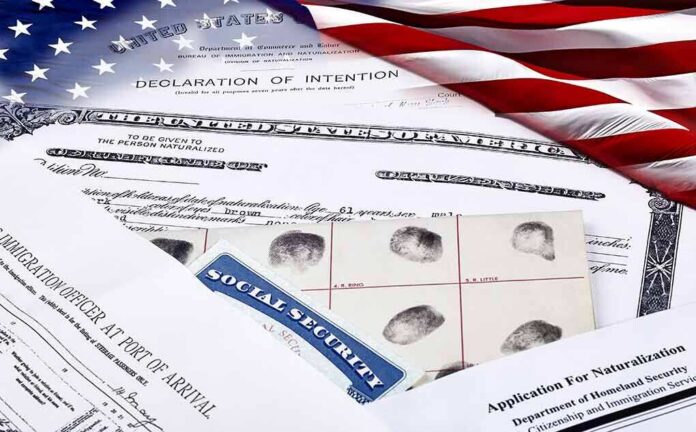
A single word—“invasion”—could decide who is, and is not, an American at birth.
At a Glance
- Fifth Circuit Judge James Ho argues that a presidential “invasion” finding can limit birthright citizenship.
- Ho roots this in a narrow, historic exception for births under hostile occupation.
- Civil-liberties advocates say the Fourteenth Amendment blocks any such executive carve-out.
- The Supreme Court’s 1898 Wong Kim Ark decision remains the core baseline for the rule.
What Judge Ho Actually Said And Why It Matters
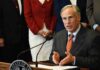
Judge James Ho has laid out a theory that shifts power from courts to the president when the nation faces an “invasion.” In Fifth Circuit writings, he treats the invasion call as the president’s job, not the judiciary’s. He says judges should not second-guess that determination. He then ties that finding to the Citizenship Clause by pointing to a narrow, old rule: children born under hostile occupation are not “subject to the jurisdiction” of the United States.
Ho’s move is not a casual aside. It builds on text, structure, and wartime practice. He argues that when a hostile force enters and holds territory, the usual birthright rule pauses. He sees a modern parallel if the president declares an invasion at the border. That would, in his view, let the government deny citizenship to children of those he views as invading forces. He frames this as fidelity to history, not a break from it.
The Constitutional Baseline: Wong Kim Ark Still Governs
The starting point is firm. In 1898, the Supreme Court held that a child born in the United States to noncitizen Chinese parents was a citizen. The Court grounded its rule in the plain force of the Fourteenth Amendment. Birth on U.S. soil, plus being under U.S. law and protection, equals citizenship. That decision discussed a narrow exception for births in territory held by a hostile army—where U.S. law does not run and protection does not exist.
That narrow exception is the hinge for today’s fight. If the exception is only for literal occupation by a foreign army, then undocumented border crossings do not qualify. If, as Ho suggests, a presidential invasion finding can capture mass unlawful entry or cartel-backed flows, then the exception could widen. The legal question is whether the word “invasion,” as used by the executive, can change how “subject to the jurisdiction” works in peacetime settings.
The Clash Over Executive Power And The Word “Invasion”
Civil-liberties groups argue the answer is no. They say the Fourteenth Amendment’s rule binds every president. They stress that children born here are under U.S. law, even if their parents broke immigration rules. They point to the 1898 decision as the settled anchor and say only very narrow carve-outs apply, such as children of foreign diplomats. They warn that a president cannot cut around the Constitution by relabeling migration as an invasion.
Read "5th Circuit Judge James Ho Says a Presidentially Declared ‘Invasion’ Overrides Birthright Citizenship" on SmartNews: https://t.co/Whn4hA5jfe #SmartNews
— @PSP12 (@PennyPe37671956) October 31, 2026
The historical record favors tight limits. The hostile-occupation example assumed that U.S. authority could not operate on the ground. That is not the case within our borders today, where police, courts, and immigration agents enforce the law. Analysts who track the case law argue that undocumented immigrants remain subject to U.S. jurisdiction and can be arrested, tried, and deported. That makes them different from a foreign army that holds American soil.
How A Conservative Court Might Weigh The Stakes
Text and tradition argue for a narrow exception. Fidelity to the Constitution means respecting the bright-line rule of birth on American soil. Limited government means presidents cannot claim sweeping power by changing labels. Order at the border matters, but Congress writes the rules for status and the courts say what the Constitution means. A president can fight cartels and smugglers with force and policy. He cannot redefine citizenship by proclamation without clear constitutional warrant.
Ho’s theory will tempt those who want fast fixes. But durable policy comes from Congress and from the states working within the constitutional frame. If the nation wants to change birthright citizenship, the honest path is an amendment or statute that survives review. That respects the rule of law and the separation of powers. It also guards every child’s status from the mood of the moment and the politics of a single word.
Sources:
reason.com, ca5.uscourts.gov, supremecourt.gov, judicialactiongroup.com
© restoreamericanglory.com 2026. All rights reserved.