
Federal agents with badges at the door and a voter list in hand is how a quiet database fight turned into a front-porch showdown.
Story Snapshot
- Justice Department sued California after flagging over 20,000 “likely noncitizens” on voter rolls
- Officials used immigration records to match names and asked the state to pause counting linked ballots
- Door-to-door visits by armed federal agents drew complaints of voter intimidation
- Nevada saw a similar claim collapse from 16,000 to zero confirmed noncitizens, raising data-quality alarms
What the federal lawsuit actually says and seeks
The Department of Justice filed suit against California and asked a federal judge to block the counting of ballots tied to more than 20,000 registrants flagged as “likely noncitizens” until citizenship could be verified. The filing said federal agencies compared voter-registration data with immigration records and produced a list for state review shortly before ballots would be tallied. The request centered on enforcing the rule that only citizens may vote in federal elections.
California officials pushed back on the timing and scope. The federal demand gave the state very little time to verify cases before votes were counted, raising the chance that any errors would fall on real voters. A similar scramble played out in public coverage, which noted the government had earlier floated a far larger California number before settling on about 20,000 in the suit, without a clear public method to explain the shift.
How the matching worked, and why that matters
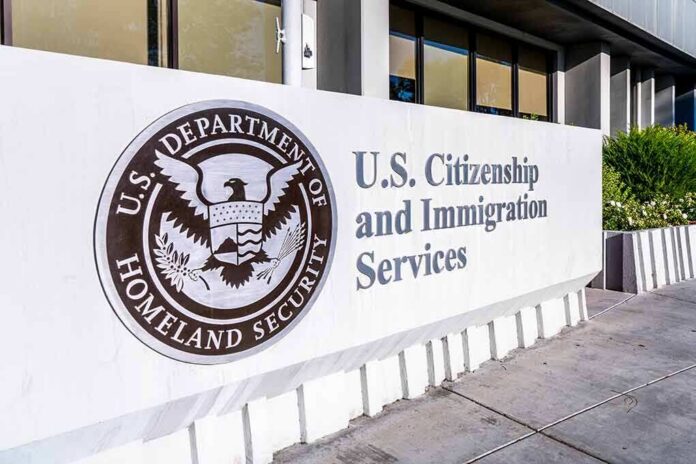
Federal filings and reporting say immigration authorities compared state voter rolls with federal immigration databases to spot potential noncitizens. That sounds simple, but record matching is the trickiest part of election integrity. Loose matches can turn two different people into one bad “hit.” Experts warn that without strong identifiers and clear rules, false positives stack up fast. The lawsuit did not publish match fields, confidence scores, or an error-rate study, leaving a key reliability gap.
Good policy draws sharp lines between four different things: a potential match, a registration, a ballot mailed, and a vote actually cast. Those categories are not the same and should never be swapped in headlines or court filings. Research groups have long urged investigators to tighten match criteria, disclose methods, and test samples against known citizens to show the system works as promised.
From spreadsheets to doorsteps: the field operations
Coverage documented federal agents knocking on doors to ask residents about immigration status and voter registration. Critics said the agents carried firearms and wore official gear, which can feel like pressure even if the interview is brief and polite. A civil complaint by advocacy groups and local entities alleges these home visits cross into voter intimidation under federal law and should be stopped, especially during peak election periods.
𝗦𝘁𝗮𝗿𝘁 𝗽𝗮𝗿𝘁 2
None of this is improvised. Trump laid out his plan in an executive order last March.In it, he directed the attorney general to “prioritize the investigation and, as appropriate, the prosecution of State and local officials” who issue ballots to people…
— Russell Shaw (@therussellshaw) October 21, 2026
Law-and-order conservatives back fair rules and equal enforcement, not chaos at the curb. If agents have credible, case-specific leads, then targeted, well-documented interviews can be justified. But a broad sweep fueled by shaky matches risks chilling lawful voters and distracting from genuine fraud cases. That approach does not honor common-sense policing or election confidence. Precision beats theatrics. Process protects everyone.
Nevada’s cautionary tale on data quality
Nevada officials said the federal government’s headline number of nearly 16,000 possible noncitizen registrants dwindled to 185 names after review, and state checks indicated those 185 were citizens. They also said federal data lacked basic identifiers, making verification hard or impossible. A major outlet later reported the Department of Homeland Security could not substantiate the original figure and, at one point, even supplied a list without names. That experience flags a core risk with any mass-match dragnet.
The path to clarity that both sides should want
Courts can force sunlight. The judge can require the government to disclose the match fields, rules, and quality controls under protective order. California can conduct a rapid, independent sample audit to measure the true error rate. Both sides can separate suspected registrations from actual unlawful votes by checking voter-history and naturalization dates under strict privacy rules. These steps match conservative values: verify first, act second, and fix what is broken with facts, not fear.
What to watch next
Three signals will tell you where this lands. First, whether the court accepts a pause on counting tied to the flagged list. Second, whether a neutral audit confirms real noncitizen voting at more than isolated levels. Third, whether agencies scale back home visits or adopt tighter safeguards. If the data are strong, targeted cases will follow. If the data are weak, better tools and timelines—not louder raids—will be the cure.
Sources:
cbsnews.com, justice.gov, usatoday.com, sanluisobispo.com, truthout.org, inquirer.com, clearinghouse.net, nytimes.com, fjc.gov, brennancenter.org
© restoreamericanglory.com 2026. All rights reserved.