

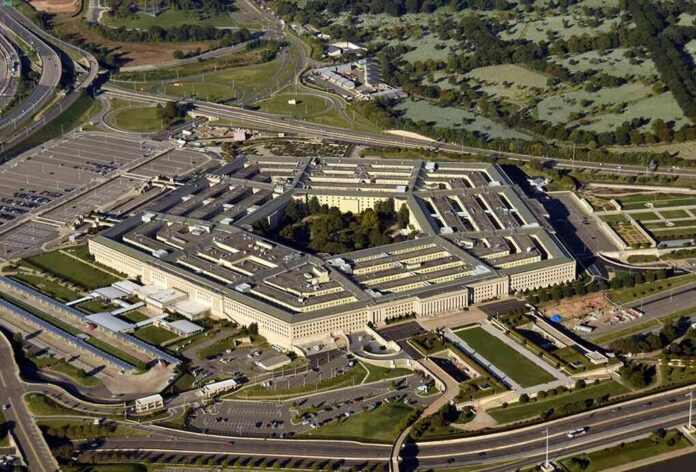
Nine straight audit failures, yet the Pentagon now promises a clean bill of financial health by December 31, 2028.
Story Snapshot
- The Department of Defense set a legal, time-bound target for a clean audit by end of 2028.
- Twelve components earned clean opinions in 2024, covering over half of reported assets.
- The Marine Corps secured a clean opinion on its General Fund for 2023, a first for a service.
- Legacy systems and repeated control weaknesses still block a department-wide clean opinion.
What the ninth failure means, and why 2028 still matters
The Department of Defense failed its ninth department-wide financial audit, continuing a pattern since full audits began in 2018. The department now ties its fix to a firm, lawful deadline: an unmodified audit opinion by December 31, 2028. This is not a vague promise. It is a stated compliance target. The department reports measurable steps, but the full agency still falls short today. The stakes are simple: meet the date, or admit that the world’s largest employer cannot count its own house.
Progress exists beneath the top-line failure. The department reports twelve reporting entities with clean opinions in 2024. Those favorable opinions cover more than 52 percent of about $4.1 trillion in reported assets. That does not clear the bar, but it is a base to build on. The Marine Corps showed a path by earning a clean opinion on its General Fund for 2023, proving that better controls, cleaner systems, and tighter reconciliations can scale within a military culture.
The plan: milestones, methods, and the clock
The roadmap is plain. The department set component-level milestones pointing to 2026 and 2028 for specific funds and services, including the Army General Fund, Army Working Capital Fund, Navy General Fund, and Department of the Navy Working Capital Fund. The management approach centers on modern accounting systems, documented business processes, and stronger internal controls, with the clean opinion goal pinned to the end of 2028. This is the nuts-and-bolts work that moves audits, not slogans or hearings.
Public accountability needs dates that stick. The department has them. But dates cannot move data faster on their own. Leaders must push fixes into daily work: reconcile property, log inventory, tie feeder systems, and verify evidence. These are not conference-room tasks. They are factory-floor tasks, repeated every month. The Marine Corps model suggests automation and controls can cut manual churn and raise data trust. The larger services will need that same muscle, and more of it, to hit the line on time.
The hard parts that still block a clean opinion
Material weaknesses remain heavy. The July 2025 update reports twenty-six weaknesses repeated from the prior year, one new weakness added, and only one closed. That burden sits under the entire strategy and slows every consolidation step. Legacy systems also drag the timeline. Some outdated financial systems were not slated to retire until fiscal year 2031, a schedule that conflicts with a department-wide clean opinion by December 2028 unless compensating controls bridge the gap.
🚫 The Pentagon just failed its financial audit for the 9th year in a row.
Nearly $5 trillion in assets still can’t be fully accounted for.
They keep promising a clean audit by 2028.
Ask yourself why the one agency with the biggest black budgets, the most classified programs,… pic.twitter.com/GYL9dBTA4d
— OVERCLASSIFIED (@overclassifiedx) November 17, 2026
Consolidation is the final boss. Clean component ledgers do not guarantee a clean department. The enterprise audit tests intercompany eliminations, cross-entity balances, and evidence that supports totals at scale. The department’s own reporting grants that favorable opinions do not yet ensure the consolidated statements are free from material misstatement. That is the needle the 2028 plan must thread with controls and reconciliations that survive independent auditor testing.
The conservative test: stewardship, not spin
Taxpayers fund the force. They deserve proof, not prose. The department’s 2028 commitment sets a clear rule of the road. The plan’s strength lies in measurable milestones, working examples like the Marine Corps, and a majority share of assets already under clean opinions. The plan’s risk lies in repeated weaknesses and aging systems that extend past 2028. Common sense says match promises to plumbing. Retire bad systems faster, enforce controls harder, and verify every fix with an external check.
Congress and the Office of the Under Secretary of Defense (Comptroller) should pin oversight to the same clock and measures the department cites. Independent auditors should assess whether each 2026-to-2028 milestone is achievable, by entity, with evidence that compensating controls close the legacy gap. One short caveat applies: projections come from department reports and require independent audit validation at year-end. The rest is simple accountability: hit the 2028 mark, or own the miss.
Sources:
breakingdefense.com, comptroller.defense.gov
© restoreamericanglory.com 2026. All rights reserved.