Threatening graffiti at the Austin shooting scene turned a hard question about force into a brawl over political violence.
Story Snapshot
- Reports say an Immigration and Customs Enforcement officer shot Wilber Rafael Garces Perez in North Austin during an operation.
- Graffiti at the site included “Kill Donald Trump” and anti-ICE slogans, prompting outrage and cleanup.
- State Rep. James Talarico called for an independent probe and full release of footage.
- Homeland Security Investigations, with Federal Bureau of Investigation help, is leading the inquiry.
What happened on the ground in Austin
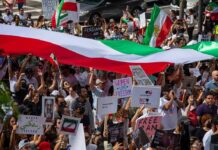
Multiple outlets reported that an Immigration and Customs Enforcement officer shot and wounded Wilber Rafael Garces Perez near Research Boulevard and Anderson Square in North Austin on September 20, 2026. Coverage described an enforcement encounter that escalated and ended with a single gunshot and a hospital visit, followed by detention. Protesters gathered soon after, carrying anti-ICE signs and demanding answers about why force was used. Federal officials said a joint investigation was underway and offered few details about the incident itself.
Local reporting later said Garces Perez was moved to an Immigration and Customs Enforcement facility in Pearsall. That account raised questions about medical care and evidence access, which his advocates said should be reviewed in any inquiry. Authorities did not release body-camera or dashcam video at that time. The absence of footage kept the public record thin and fueled more demands for a transparent timeline of the stop, the pursuit, and the shot.
Graffiti that crossed a bright red line
Photos and reports showed fresh graffiti at the scene that included vulgar anti-Immigration and Customs Enforcement slogans and explicit threats against President Trump. One pillar displayed “Kill Donald Trump” along with other messages. A separate report said a video showed a masked person spray-painting the threat near the scene. Cleanup crews painted over the markings after they drew national attention and sharp condemnation for promoting violence, not protest.
Some accounts linked the pillar to a cluster of messages, including a crude note about “love winz” next to the name “Talarico.” The same report also said the markings appeared separately and may not have had one author. That distinction matters. It cautions against sweeping claims that one person, or one group, coordinated all of it. Still, the threat to kill the sitting president stands on its own and crosses a line Americans should reject without hedging.
Competing claims, missing footage, and the trust gap
The Department of Homeland Security said the shooting happened during a law enforcement operation and that Homeland Security Investigations, with Federal Bureau of Investigation assistance, would lead the probe. The statement also emphasized the man’s unlawful entry and a final order of removal. That frames why agents sought him but does not answer when deadly force became necessary. The public needs the facts from video, radio traffic, and reports to judge the agent’s decision.
The post is a crowdsourced identification, not an official police announcement. A masked person in a gray cropped hoodie was filmed spray-painting “KILL DONALD TRUMP” and related slogans on a pillar at the North Austin site where ICE shot Venezuelan DoorDash driver Wilber Rafael…
— Chris 🇺🇸 (@Chris_1791) September 22, 2026
Texas State Rep. James Talarico urged an independent investigation and the release of all footage. He argued the agency lacks credibility to self-police and called for outside review. That stance aligns with a basic conservative value: trust, but verify. Independent eyes on the evidence protect good officers, expose bad calls, and calm the streets faster than silence ever does. Calls for sunlight do not prove misconduct; they prevent rumor from filling the void.
How the graffiti risks hijacking the real question
The “Kill Donald Trump” threat gave activists’ critics an easy pivot from use-of-force to public safety. Some conservative voices said the pillar showed a violent environment, not a peaceful protest. That reaction is fair on the threat itself; it is a crime, not speech. Yet the core issue remains separate: did the officer face an imminent threat that justified firing? Responsible citizens can condemn the threat and still insist on the full record of the shooting.
City protests and tough headlines are not evidence. Agency talking points are not evidence. Footage, dispatch logs, and forensic timelines are evidence. The investigative team should release a synchronized timeline with video, audio, and a ballistic review. The public should see the same raw material that supervisors and prosecutors will weigh. If the shot was justified, sunlight clears the agent’s name. If it was not, sunlight speeds accountability. That is how you cool a hot street.
What accountability should look like now
Investigators should publish the video, the radio traffic, and a clear use-of-force rationale. Medical records, with consent, can clarify the wound path and treatment sequence. Austin Police and federal partners should share the pursuit and positioning data that explain angles, distance, and risk. Construction crews who painted over the graffiti should provide time stamps and photos to separate vandalism from protest. These steps are basic, not radical. They build trust where words fail.
Americans can hold two thoughts at once. We can back firm immigration enforcement under the law and still demand strict rules for deadly force. We can condemn violent threats against our president and still ask agents to show their work when a gun goes off in public. That balance is not weakness. It is equal justice. Release the footage. Charge the vandal who wrote the threat. Then judge the shooting on the facts, not on spray paint or slogans.
Sources:
redstate.com, yahoo.com, cbsaustin.com, riotimesonline.com, wabcradio.com, bloomberg.com
© restoreamericanglory.com 2026. All rights reserved.