Giorgia Meloni did not hedge: Italian schools, she said, will move to teach with faces uncovered and classes built for integration, not separation.
Story Snapshot
- Meloni announced a school ban on burqas and niqabs and a cap on foreign students per class.
- The plan adds Italian lessons for some parents of struggling students to speed integration.
- Supporters frame it as language-first cohesion; critics call it religious discrimination.
- Europe has several national veil bans; courts often weigh scope and proportionality.
What Meloni Announced, And Why It Matters Now
Prime Minister Giorgia Meloni told a party youth event her cabinet will receive a measure to ban face-covering veils in schools, limit the share of foreign students per class, and require some parents to learn Italian. She tied the cap to classrooms where many children cannot follow instruction, saying that stops real integration. The government casts this as common-sense school policy. The timing tracks a cycle where migration and cohesion shape election-year stakes.
Reuters recorded her core rationale in a tight line: when children who do not understand the language become a large share of a class, that is neglect, not integration. The package sets the school veil rule within a wider push against what ruling-party figures call cultural separatism. A related bill last year proposed a broader public-space ban on full-face coverings tied to public order and unity. Schools are the tip of that spear, where language, safety, and norms meet daily life.
How The Proposal Fits Europe’s Legal Playbook
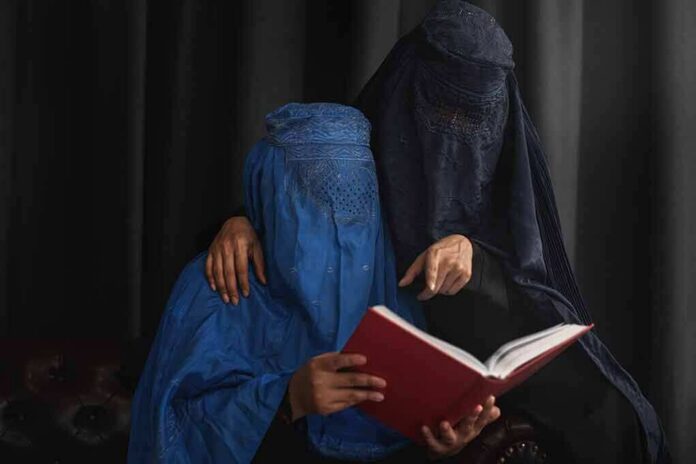
Europe has tested these rules for years. Austria, Belgium, Bulgaria, Denmark, and France maintain national bans on full-face veils. Courts often accept targeted limits where identification, safety, or instruction need clear faces. The hard line for judges is scope: narrow rules in classrooms fare better than sweeping bans everywhere. Italy already carries regional precedents and a history of local restrictions; a school-only rule will likely hinge on clarity and consistent enforcement.
Policy design will decide whether this survives challenges. Lawmakers must define “face covering” precisely, state clear aims—language acquisition, identification, equal participation—and apply neutral standards. If medical masks, costumes, and other nonreligious reasons pass while religious coverings alone do not, courts could see bias. If every rule applies across the board and links tightly to instruction and safety, supporters will argue it passes both the common-sense test and legal muster.
Support, Blowback, And The Conservative Read
The opposition and some legal experts criticized the announcement on religious-freedom grounds and warned about alienating Muslim families. Advocacy groups called the face-veil ban authoritarian and bigoted. They argue a small minority would be singled out while nonreligious face coverings stay allowed for other reasons. These claims raise a fair question: does the text treat religion differently, or does it treat face coverage the same, regardless of motive?
Meloni Proposes School Veil Ban and Foreign Student Limits in Italy #GiorgiaMeloni #Italy #ItalianPolitics #ItalyNews #SchoolPolicy #EducationNews #VeilBan #Niqab #Burqa #ForeignStudents #Migration #Integration #EuropeNews pic.twitter.com/jNFxlcDZy9
— Global Repute News (@GlobalReputeNew) September 21, 2026
Conservative common sense starts with the classroom. Teachers need to see students’ faces to check understanding and manage behavior. Students learn language by speaking and reading expressions. A school can set attire rules that support instruction, as long as the rule is specific, applies to all face coverings during class, and includes reasonable exceptions that serve health and safety, not fashion. If the Italian draft hews to that line, it will look like a neutral school standard, not a creed test.
The Foreign-Student Cap And The Parent Piece
Capping foreign students per class triggers a sharper policy test. The aim is sound: avoid clusters where most pupils cannot follow the teacher. The risk is blunt quotas that split kids by origin rather than actual language level. A smarter rule would use placement by proficiency, with fast-track language support and quick re-mixes as students improve. That approach matches the stated goal—integration through language—while avoiding labels that harden social lines.
The requirement that some parents learn Italian could be the quiet workhorse. Children do best when families engage with teachers and help with homework. If the program offers free classes, child care, and flexible hours, it could unlock progress at home and school. If it punishes without support, it will backfire. Policy should reward effort and tie milestones to real help, not red tape. Done right, it builds a bridge that politics often only points at from a distance.
What To Watch Next
Three hinge points will tell the story. First, the legal text: definitions, exceptions, and enforcement will show if this is neutral school policy or a culture-war bludgeon. Second, class placement: language-based grouping versus raw nationality caps will mark whether the reform targets outcomes or optics. Third, support systems: teacher training, language aides, and parent classes will determine if the plan lifts kids or just shifts them around on paper.
Meloni chose a clear line: learn together, speak Italian, and show your face in class. The courts and the classroom will now test if that line holds where it counts—in reading scores, behavior, and the humble proof of a parent-teacher night where everyone understands one another.
Sources:
euronews.com, youtube.com, aljazeera.com, latimes.com, indiatoday.in
© restoreamericanglory.com 2026. All rights reserved.