President Trump’s threat to militarily intervene in Iran if protesters are killed has escalated U.S.-Iran tensions to their highest point since the June 2025 bombing of Iranian nuclear facilities.
Story Highlights
- Trump issued “locked and loaded” warning as Iranian protests entered sixth day with at least seven deaths
- Iranian officials responded with threats against U.S. troops and warnings of regional destabilization
- Economic crisis triggered protests as Iran’s currency collapsed to 1.4 million rials per dollar
- Demonstrations represent largest uprising since 2022 Mahsa Amini protests that challenged the regime
- Exchange marks first major diplomatic confrontation of 2026 between the two nations
Economic Collapse Sparks Nationwide Unrest
Iran’s currency crisis ignited the current wave of protests when shopkeepers in Tehran closed their businesses on December 29, 2025, to protest crushing inflation and the rial’s devastating collapse. The economic turmoil stems directly from the June 2025 military conflict with Israel and subsequent U.S. bombing of Iranian nuclear sites, which shattered the country’s economic foundation and left ordinary Iranians struggling with soaring living costs.
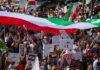
The demonstrations quickly spread beyond Tehran as frustration over economic hardship boiled over into direct confrontations with security forces. At least seven people have been killed in clashes between protesters and police, with dozens more injured and many arrested as the unrest entered its sixth day. The protests now represent the largest demonstrations in Iran since the 2022 Mahsa Amini uprising that challenged the theocratic regime’s authority.
Trump Issues Direct Military Threat
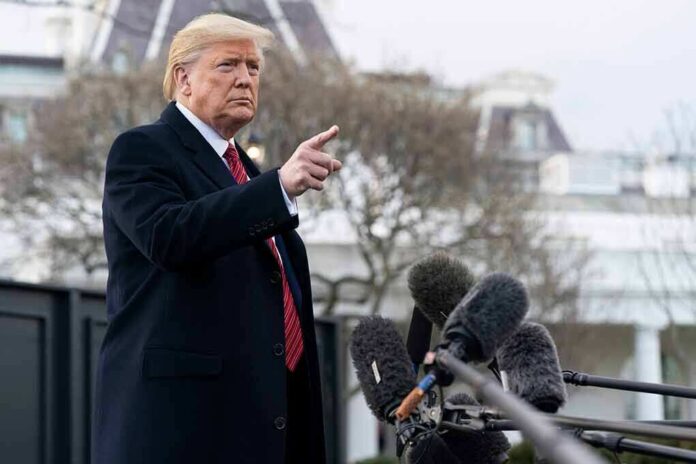
President Trump escalated the situation dramatically on January 2, 2026, by issuing an explicit warning that positioned the United States as a potential military protector of Iranian protesters. His statement declared America “locked and loaded and ready to go” if Iran violently suppressed the demonstrations, marking the most direct U.S. intervention threat since the protests began.
The timing of Trump’s warning coincided with the deadliest day of protests, when two people were killed in clashes between police and demonstrators in Lordegan, western Iran. Trump’s threat represents a significant departure from traditional diplomatic responses to domestic Iranian unrest and signals his administration’s willingness to directly challenge the regime’s authority over its own territory.
Iran Responds with Counter-Threats
Iranian officials immediately rejected Trump’s warning with their own threats of retaliation. Ali Larijani, Iran’s Supreme National Security Council Secretary, warned that U.S. interference would “destabilize the entire region and undermine American interests.” His response specifically threatened American troops, stating that “Trump started this adventurism” and warning Americans to “look after their soldiers.”
The Iranian regime also accused the United States and Israel of actively stoking the protests, framing the domestic unrest as foreign-orchestrated interference rather than legitimate economic grievances. President Masoud Pezeshkian, Iran’s reformist leader, attempted to navigate between acknowledging protesters’ concerns while calling for “unity, cohesion and solidarity” against what the government characterized as disinformation campaigns designed to sow division.
Sources:
Trump and Iran Start 2026 Exchanging New Threats on Social Media
Iran Economic Unrest Trump Warning