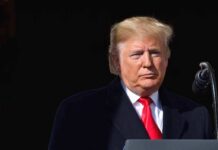

President Trump bypassed Congress with an executive order to pay unpaid TSA workers, sparking debate over presidential power during a government shutdown.
Story Snapshot
- Trump signed order on March 28, 2026, directing DHS to pay 60,000 TSA employees amid sixth-week shutdown.
- Funds sourced from prior tax cut legislation, labeled “One Big Beautiful Bill.”
- Action circumvents congressional Democrats blamed for blocking funding over immigration disputes.
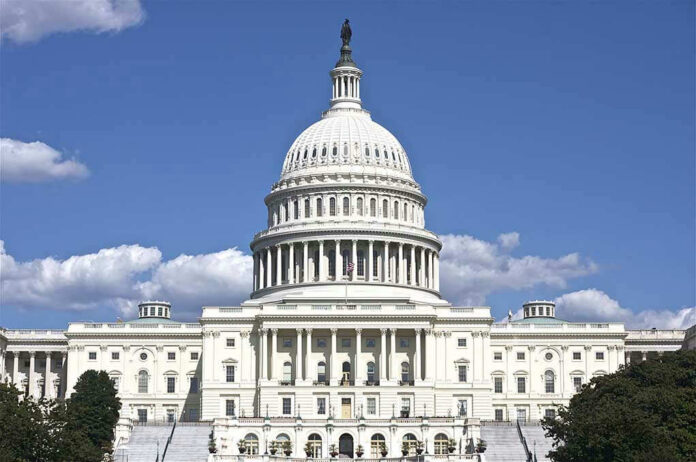
- Raises constitutional questions on executive authority versus Congress’s “power of the purse.”
- TSA workers may receive pay as early as following Monday, easing immediate hardships.
Shutdown Triggers Urgent Executive Response
President Donald Trump announced on March 27, 2026, via social media his intent to sign an executive order paying TSA workers. The DHS shutdown entered its sixth week due to Congress failing to pass funding. Democrats demanded restrictions on immigration enforcement, which Republicans rejected. TSA’s 60,000 employees, including 50,000 security officers, worked without paychecks at airports. Trump called this an emergency compromising national security.
Order Signing and Implementation Details
Trump signed the executive order on March 28, 2026, instructing DHS Secretary Markwayne Mullin and OMB Director to execute payments. Funds draw from Trump’s earlier tax cut legislation with a “reasonable and logical nexus” to TSA operations under 31 U.S.C. 1301(a). DHS projected payments starting Monday. The order targets compensation and benefits lost due to the shutdown. This mirrors a prior 2025 fund shift during another shutdown.
Stakeholders Positions and Hardships
TSA employees faced severe financial strain, unsure about food or rent while securing airports. Trump praised their public safety duties. Congressional Republicans backed the move; Democrats opposed DHS funding bills. AFGE welcomed TSA pay but urged coverage for all DHS workers. House rejected a bill addressing TSA payments. Republicans unified on funding immigration enforcement like ICE and CBP.
Legal and Constitutional Challenges
Critics question Trump’s legal authority since Congress controls the purse. Sources note uncertainty in redirecting appropriated funds. The White House memorandum declares an unprecedented emergency in air travel. Common sense aligns with executive action when lawmakers prioritize politics over workers. Facts support using existing funds legally tied to TSA, protecting essential services without new spending.
Short-Term Relief and Long-Term Precedent
60,000 TSA workers gain immediate paycheck relief, boosting morale and airport efficiency for passengers. Back pay or prospective coverage remains unclear. Long-term, this sets precedent for presidents bypassing gridlock in shutdowns. It challenges congressional spending control but upholds conservative values of supporting frontline patriots. Sustainability depends on Congress resolving funding disputes.
Sources:
Trump Signs Executive Order Directing DHS to Pay TSA Workers During Shutdown
Trump signs executive action to pay TSA employees after Congress fails to agree on DHS funding