
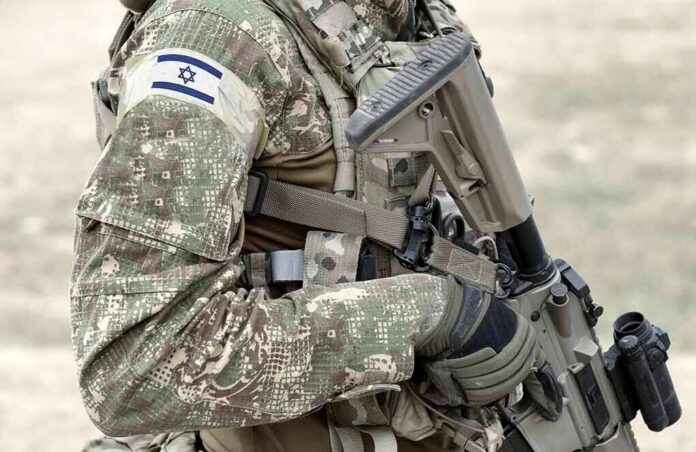
Israeli troops detained a New York City congressional candidate and roughly 80 American and Israeli volunteers during a Palestinian olive harvest in the West Bank, then released him once they learned who he was.
Quick Take
- Brad Lander, a candidate for New York’s 12th congressional district, was detained with rabbis and activists near Nahalin during the fall olive harvest.
- The Israeli military says the area was declared a closed military zone because no harvest coordination request was filed in advance.
- Lander was released after two to three hours once officials learned he was running for Congress; other volunteers reportedly stayed in custody longer.
- The incident fits a documented, years-long system requiring Palestinian farmers to coordinate harvest access near Israeli settlements.
What Happened During the Harvest
Lander joined a group of American and Israeli rabbis and volunteers helping Palestinian farmers pick olives near Nahalin in the West Bank. Israeli forces moved in and detained the group, which numbered close to 80 people according to National Public Radio, though other outlets reported figures closer to 90. Lander posted that he was detained alongside rabbis and volunteers during the operation.
Associated Press reporting confirmed Israeli forces detained Lander during the harvest and released him hours later. The detention swept up a broader international group rather than targeting Lander alone, with Al Jazeera describing volunteers from several countries caught in the same operation.
The Military’s Stated Reason for the Closure
The Israeli military told National Public Radio that farmers must submit coordination requests before harvest season so authorities can manage the area’s security and public order. Officials said no such request had been filed for this harvest, and forces declared the grove a closed military zone before taking detainees to a police station. That coordination requirement is not new to this incident. United Nations monitors have tracked it for nearly two decades across the West Bank.
Israeli police said Lander was released once officials learned he was a congressional candidate, and the military gave a similar account to National Public Radio, saying his release came after the matter was brought to its attention. Lander received a warning before he was let go, roughly two to three hours after being detained.
A Harvest Season Shaped by Standing Access Rules
Olive harvest access near Israeli settlements has run through a formal coordination system since a 2006 Israeli High Court ruling, which set limited windows when Palestinian farmers can reach groves near settlements with military escort. A similar permit system has applied since 2003 to groves behind the West Bank barrier. This structure means the “prior coordination” requirement cited in Lander’s detention reflects a standing policy, not a rule invented for this specific harvest.
That policy has not eliminated friction. The United Nations Office for the Coordination of Humanitarian Affairs documented about 180 settler-related incidents across nearly 90 Palestinian communities since early October, with 60 percent tied to the olive harvest season. More than 96,000 dunums of olive land went unharvested after the 2023 season because of access restrictions, according to the same office. Those numbers show the Nahalin detention landed inside a recurring, well-documented pattern rather than an isolated dispute.
Why This Story Resonates Beyond One Grove
A sitting congressional candidate detained by a foreign military during a humanitarian outing is the kind of story that travels fast, and it did. The involvement of American rabbis, international volunteers, and a New York politician widened the audience well past a typical access-control dispute. Reporters from National Public Radio, the Associated Press, CNN, and NBC News all covered Lander’s detention and release within hours.
Lander’s quick release after officials identified his political status, while other detainees reportedly remained longer, is a detail readers will notice and debate. Coverage has laid out the facts plainly: a closed military zone, an unmet coordination requirement, a large detained group, and a candidate let go once his identity became clear. Whatever one makes of the underlying rules governing West Bank harvests, the sequence of events here is not in dispute.
For American voters watching the race in New York’s 12th district, the episode adds an unusual foreign-policy footnote to a domestic campaign. Lander now carries a firsthand account of how Israeli security procedures function on the ground, a detail his opponents and supporters alike will likely bring up as the election season continues.
Sources:
military.com, us.cnn.com, wrtv.com, politico.com, aljazeera.com, nbcnews.com, charlotteobserver.com, yahoo.com, unocha.org, alhaq.org, ochaopt.org
© restoreamericanglory.com 2026. All rights reserved.