
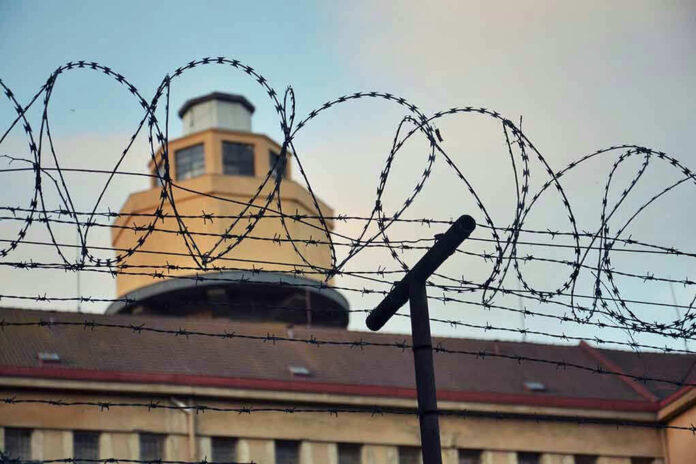
The White House wants to transform America’s most legendary prison into a modern maximum-security facility, trading a $60 million annual tourism goldmine for a multibillion-dollar fortress housing the nation’s most dangerous criminals.
Story Snapshot
- Trump administration requests $152 million in FY2027 budget to begin reopening Alcatraz as a federal prison
- The iconic island generates $60 million yearly as a tourist attraction but would shift to housing violent offenders
- Total project costs estimated between $250 million and $2 billion, sparking fierce opposition from California Democrats
- Congress holds final approval power over the controversial proposal announced in May 2025
From Tourist Trap to Federal Fortress
Alcatraz Federal Penitentiary housed America’s most notorious criminals from 1934 to 1963, including Al Capone and Robert Stroud, the Birdman of Alcatraz. The facility shuttered because deteriorating infrastructure and maintenance costs became unsustainable, estimated at $3 to $5 million for restoration alone in 1963 dollars. For over six decades, the island has served as a National Park Service historic site, drawing visitors worldwide to walk the same corridors where gangsters once languished. The Trump administration’s April 2026 budget proposal flips that narrative entirely, seeking to resurrect The Rock as what officials call a state-of-the-art secure prison for the most ruthless and violent offenders in federal custody.
The Price Tag That Launched a Political Firestorm
The $152 million budget request covers only first-year project costs, with no detailed timeline or total expenditure breakdown from the White House or Bureau of Prisons. Cost estimates from opponents range wildly. State Senator Scott Wiener pegs the full rebuild at $2 billion, while other analyses suggest a minimum of $250 million. Former House Speaker Nancy Pelosi blasted the initiative as the stupidest idea yet and a colossal waste of taxpayer dollars. San Francisco Mayor Daniel Lurie argued in July 2025 that no realistic plan exists beyond maintaining the site’s current tourism draw. The administration frames the project as essential for law, order, and justice, but critics see it as federal overreach colliding head-on with California’s priorities and pocketbook.
Federal Ambition Meets Local Resistance
President Trump announced the plan via Truth Social in May 2025, directing the Bureau of Prisons, Department of Justice, FBI, and Department of Homeland Security to execute the reopening and expansion. Attorney General Pam Bondi and Interior Secretary Doug Burgum toured the island in July 2025, signaling the administration’s seriousness. Yet the proposal pits federal ambitions against Bay Area economic interests and political opposition. The National Park Service currently operates Alcatraz as a revenue-generating attraction, and local leaders view the prison plan as destructive to both tourism and infrastructure needs. Congress ultimately decides whether the $152 million flows, and Bay Area representatives have already signaled fierce resistance. The political battlefield here is as treacherous as the waters surrounding The Rock itself.
What Happens If The Rock Reopens
Transforming Alcatraz from a historic landmark to an active federal prison carries sweeping consequences. The San Francisco Bay Area stands to lose a major tourist draw that pumps $60 million annually into the local economy, along with jobs tied to hospitality and park operations. Taxpayers nationwide face a multibillion-dollar tab for construction, ongoing security, and daily operations in one of the most expensive real estate markets in America. Federal prison capacity would expand for violent offenders, potentially easing overcrowding elsewhere, but at what cost? The symbolic shift from celebrating American history to incarcerating its worst criminals reignites debates over federal spending priorities, criminal justice policy, and the value of preserving national landmarks versus repurposing them for contemporary security needs.
Congressional approval remains the critical hurdle. The administration has offered no official cost ceiling or construction timeline, leaving lawmakers to weigh an incomplete financial picture against constituent outrage and competing budget demands. California’s Democratic delegation holds substantial influence in appropriations, and their unified opposition complicates any path forward. Without detailed feasibility studies or Bureau of Prisons transparency on operational costs, skepticism from fiscal conservatives could also emerge. The proposal’s survival hinges on whether Trump can rally enough congressional support to override local fury and budget concerns, or whether this bold law-and-order symbol becomes another unfunded campaign promise swallowed by political reality and San Francisco Bay fog.
Sources:
Trump asks for $152 million to rebuild Alcatraz, reopen it as a prison – San Francisco Chronicle
Trump seeking $152 million from Congress to reopen Alcatraz as federal prison – ABC30
Trump budget includes $152M to reopen Alcatraz as federal prison – KTVU