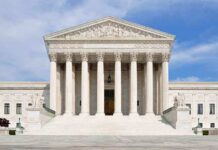

A Christian counselor’s gentle talk therapy hangs in the balance as the Supreme Court signals Colorado’s ban may crumble under First Amendment fire, potentially freeing faith-aligned care for minors nationwide.
Story Snapshot
- Supreme Court justices showed majority skepticism toward Colorado’s 2019 ban on conversion therapy for minors during October 7, 2025, oral arguments.
- Kaley Chiles challenges the law for violating her free speech rights in providing voluntary counseling to align clients’ attractions with religious beliefs.
- Lower courts upheld the ban as conduct regulation; Supreme Court scrutiny elevates it to potential strict speech review.
- Decision pending summer 2026 could strike down similar laws in 20+ states, pitting parental rights against state harm claims.
Chiles Files Suit Against Colorado’s 2019 Law
Kaley Chiles, a licensed counselor in Colorado Springs, sued in 2022 to block enforcement of the state’s Minor Conversion Therapy Law. The law bars mental health professionals from offering conversion therapy to anyone under 18, with exceptions for religious ministers. Chiles provides voluntary talk therapy to clients seeking to reduce unwanted same-sex attractions or align gender identity with biological sex and faith. Federal trial court denied her injunction; the 10th Circuit upheld it in 2024-2025 using rational basis review, deeming it conduct regulation, not speech.
Supreme Court Grants Review Amid Free Speech Concerns
The Supreme Court granted certiorari in March 2025, elevating the case. Oral arguments on October 7, 2025, revealed a majority of justices skeptical of the ban. Conservative justices questioned whether it targets viewpoints in therapy rather than harmful practices like aversion therapy or shock treatments. Chiles’ attorney, James A. Campbell of Alliance Defending Freedom, argued the law silences biblical counseling, turning professionals into government mouthpieces. Unlike coercive methods, Chiles’ approach involves consensual conversations with faith-driven goals.
State Defends Ban Citing Youth Harm Studies
Colorado officials, led by defendants like Salazar, enforce the ban through fines and license revocation. They cite over 12 studies linking conversion therapy to increased depression and suicide in LGBTQ+ youth, including a 27,000-person transgender adult survey showing higher distress. The state claims no intent to target Chiles’ therapy and notes no enforcement against her in six years, despite investigating anonymous complaints. Justice Sotomayor questioned Chiles’ standing due to lack of credible prosecution threat. Liberals view the ban as valid public health regulation.
Conversion therapy bans spread post-2010s amid a youth mental health crisis. Over 20 states enacted similar minor protections. This case follows the Court’s June 2025 upholding of Tennessee’s ban on gender-transition care for minors. The law exempts clergy but binds licensed counselors, raising church-state lines. Faith groups like the Ethics and Religious Policy Center support Chiles, arguing bans censor professionals on safety grounds while ignoring parental rights and biological reality.
Arguments Highlight Speech Versus Conduct Debate
Campbell emphasized the ban prevents consensual talk therapy aligning with clients’ religious convictions. Colorado countered with evidence-based protections, insisting it regulates harmful professional conduct, not expression. A 6-3 conservative Court majority leaned sympathetic, potentially applying strict scrutiny for content-based speech limits. Standing remains contested: state probes exist, but no direct action against Chiles. Media post-arguments predict pro-Chiles outcome or remand.
Common sense aligns with conservative justices’ view—the ban discriminates against faith-based viewpoints in private counseling, violating First Amendment protections. Facts show Chiles’ non-coercive methods differ sharply from outdated harms cited by the state. Parental authority and client choice outweigh vague regulatory overreach, especially when studies lack detail on voluntary talk therapy.
Pending Ruling Promises Nationwide Ripple Effects
Decision expected by summer 2026. Short-term, Colorado’s ban faces injunction or strike-down. Long-term, it sets precedent against viewpoint-based therapy restrictions, impacting 20+ states. Families seeking faith-aligned care gain options; counselors avoid license risks. Broader effects challenge mental health licensing and expand professional speech doctrine. Social debate intensifies between religious liberty and youth safeguards, boosting conservative advocates after Tennessee.
Sources:
SCOTUSblog: Majority of court appears skeptical of Colorado’s conversion therapy ban
Colorado Sun: Supreme Court conversion therapy