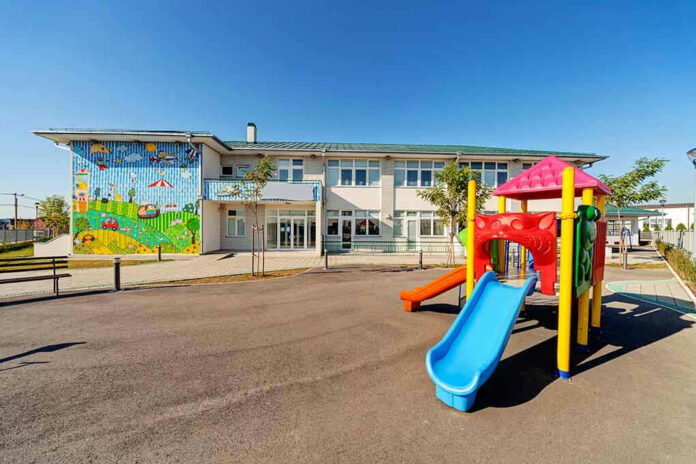
The viral video that exposed empty Somali-run daycares in Minnesota and triggered a nationwide fraud investigation has sent shockwaves through immigrant communities and federal agencies alike.
Story Overview
- Citizen journalist Nick Shirley’s viral video alleged fraud in Somali-American-run childcare centers.
- The video led to acts of vandalism and threats against daycare operators.
- The Trump administration responded with a freeze on federal childcare funding.
- The FBI launched a nationwide fraud investigation, resulting in numerous charges and convictions.
A Viral Video Sparks A Firestorm
Nick Shirley, a 23-year-old YouTuber, catapulted into the spotlight after posting a video that quickly went viral, amassing over 80 million views. The footage allegedly showed Somali-run daycare centers in Minnesota that were empty yet collecting substantial taxpayer-funded subsidies. This revelation quickly gained traction, leading to a public outcry and intense scrutiny of these facilities.
The impact of Shirley’s exposé was immediate and severe. Somali-American daycare operators found themselves the target of vandalism and violent threats, a backlash that underscored the volatile intersection of immigration, politics, and social media’s power. This backlash exemplified the broader cultural tensions that often arise in the wake of such allegations, further complicating the narrative around immigrant-run businesses.
Federal Response and Investigations
The Trump administration wasted no time in reacting to the allegations brought forward by Shirley’s video. The Department of Health and Human Services (HHS) implemented a freeze on childcare payments to Minnesota, a decision that reverberated across the nation. This move was part of a broader federal effort to crack down on alleged welfare fraud within immigrant communities.
The Federal Bureau of Investigation (FBI) launched a nationwide probe to investigate the claims further, an action led by Director Kash Patel. This investigation has so far resulted in charges against 92 individuals in Minnesota, with 60 convictions, 82 of whom are Somali-Americans. These developments highlight the gravity with which federal agencies are treating the claims, and underscore the broader implications for immigrant communities across the country.
The Broader Impact on Communities and Policy
The fallout from the video and subsequent investigations has had profound implications for Somali-American communities and the policies that govern them. In states like Washington, which boasts a significant Somali population, officials have been vocal in condemning the harassment and threats that have followed Shirley’s allegations. Washington Attorney General Bob Ferguson and other state leaders have emphasized the need to protect immigrant communities while ensuring the integrity of public funds.
The freeze on federal funding has also disrupted childcare services for hundreds of thousands of low-income families who depend on these services. This has raised concerns about the long-term economic and social impacts on these communities, as well as the potential erosion of trust in immigrant-run services.
Reactions and Ongoing Developments
Reactions to the video and its aftermath have been mixed. On one side, figures like Congressman Tom Emmer have praised Shirley’s efforts, arguing that the exposé highlights significant issues of fraud and misuse of taxpayer funds. On the other hand, community leaders and advocates, such as Nafisa Samatar of the Somali Immigrant Business Association, have expressed deep concern over the resultant harassment and the fear it has instilled within the community.
The investigations continue to unfold, with the FBI expanding its probe and Homeland Security conducting raids. Meanwhile, the Somali community remains on edge, caught in the crossfire of social media-fueled rhetoric and federal scrutiny. As the situation develops, the balance between enforcing accountability and protecting vulnerable communities remains a delicate and contentious issue.