
Two commuter buses collided head-on at one of America’s most secure transit hubs, injuring nearly two dozen people in what appears to be a low-speed accident that nevertheless sent 18 passengers to area hospitals and shut down critical morning routes into the Pentagon.
Story Snapshot
- Twenty-three passengers injured when OmniRide and Fairfax Connector buses collided at Pentagon Metro Station around 7:20 a.m.
- Ten Department of Defense personnel among those hurt, with 18 transported to hospitals and five treated on-site
- Pentagon Force Protection Agency closed bus terminal for investigation, diverting all Metro bus service to Pentagon City Station
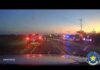
- Video footage captured the crash scene at the south parking lot on Metro Access Road
When Routine Commutes Turn Chaotic at High-Security Sites
The morning rush at the Pentagon Metro Station bus terminal follows a predictable rhythm. Hundreds of Department of Defense employees funnel through the transit hub, a choreographed dance of commuters heading to one of the nation’s most important defense facilities. That routine shattered at 7:20 a.m. when an OmniRide bus and a Fairfax Connector bus collided head-on near the south parking lot. Despite the low-speed nature of the crash, the impact sent 23 passengers seeking medical attention, disrupting not just their commutes but raising questions about safety protocols at secure federal transit points.
The Pentagon Force Protection Agency confirmed that ten of the injured work for the Department of Defense. The terminology “Department of War personnel” used in some reports hearkens back to the agency’s pre-1947 name, though it likely refers to current DoD employees. Most injuries were classified as minor, but at least one victim required transport to a trauma center, underscoring that even low-speed collisions can produce serious consequences when large transit vehicles are involved.
Emergency Response and Transit Disruptions
Arlington County Fire Department crews arrived quickly, triaging passengers at the scene. Eighteen people required hospital transport while five received treatment on-site and were released. The Pentagon Force Protection Agency took command of the incident, a natural role given the federal facility’s unique security requirements. Their investigation meant closing the entire bus terminal to regular traffic, forcing the Washington Metropolitan Area Transit Authority to implement emergency diversions. Metro buses that normally service the Pentagon terminal began routing to Pentagon City Station instead, adding delays to an already disrupted morning.
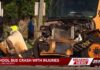
The collision occurred on Metro Access Road, a high-traffic artery serving thousands of daily commuters to the Pentagon complex. Video footage from local news crews shows emergency vehicles surrounding the damaged buses, with first responders moving efficiently through their protocols. The scene captured the controlled chaos that follows any mass-casualty incident, even when injuries trend toward the minor end of the spectrum. Commuters found themselves caught in cascading delays as buses rerouted and investigators worked to determine what caused two professional drivers to collide in an area they navigate daily.
Safety Questions at Critical Transit Hubs
Transit accidents at secure facilities like the Pentagon raise legitimate concerns about operational safety. The Fairfax Connector and OmniRide systems serve as lifelines for Northern Virginia commuters, moving thousands of workers daily through congested routes. Both services maintain professional standards for driver training and vehicle maintenance. Yet this incident demonstrates that even routine operations at familiar locations can produce unexpected failures. The low-speed nature of the crash suggests neither bus was traveling at dangerous velocity, pointing toward possible driver error, mechanical failure, or environmental factors yet to be disclosed.
The Pentagon Force Protection Agency has not released details about fault or causation, focusing instead on coordinating the emergency response and managing the terminal closure. This measured approach makes sense given the preliminary nature of the investigation, but it leaves commuters and the public wondering what safeguards exist to prevent similar incidents. The lack of fatalities represents the best possible outcome under the circumstances, though the injury count reminds us that buses carry vulnerable passengers who depend on professional operators to maintain vigilance even on familiar routes.
Broader Implications for Regional Transit
This collision will likely prompt safety reviews by both transit operators and the Pentagon Force Protection Agency. The terminal’s design and traffic flow patterns may come under scrutiny, particularly given the secure nature of the facility. Any modifications to protocols or infrastructure could affect daily operations for thousands of Pentagon employees who rely on public transit. The economic impact of the morning’s disruptions extended beyond immediate medical costs and vehicle damage, rippling through delayed arrivals and reduced productivity at a critical defense hub.
Video Captures Two Buses Crashing Near Pentagon – 10 Department of War Personnel Hurthttps://t.co/8AYV01r89Z
— RedState (@RedState) April 24, 2026
The incident underscores an uncomfortable reality about transit safety. Low-speed collisions at controlled facilities should be rare, yet when they occur, the confined spaces and passenger loads turn minor operational failures into significant events. For the ten Defense Department employees injured while simply trying to get to work, and the thirteen other passengers caught in the same mishap, the morning’s events transformed a routine commute into a medical emergency. As investigators work to determine what went wrong, regional commuters will be watching closely for answers that might prevent the next collision.
Sources:
Buses collide head-on at Pentagon
Bus crash at Pentagon injures 23, 10 War Department personnel
Buses collide head-on at Pentagon Metro Station
23 injured, including Department of War personnel, in bus collision