Iran’s latest protests are no longer just about prices; they are about power, and the people on the streets have quietly rewritten the rules of confrontation with the regime.
Story Snapshot
- Economic anger over a collapsing currency has flipped into open calls for an end to Iran’s ruling system.
- Protesters shifted from big, static marches to nimble, dispersed actions that blunt the regime’s brute force.
- The movement now spans hundreds of sites nationwide, testing the limits of Iran’s security state.
- Internet blackouts, mass arrests, and rising deaths show a regime that fears its own streets more than foreign enemies.
How A Currency Crash Sparked A Political Showdown
Tehran’s Grand Bazaar did not erupt over abstract ideals; it revolted over numbers that no longer added up. When the rial plunged to roughly 1.42 million per U.S. dollar on December 28, 2025, merchants saw lifetime savings evaporate and working capital disintegrate overnight. Food prices jumped, fuel costs rose, and basic goods felt suddenly out of reach. Governments can spin ideology indefinitely, but they cannot spin empty shelves or ruined ledgers, and that is where this story begins.
Within days, protests spread from that traditional heart of commerce to other Tehran districts and major cities like Isfahan, Mashhad, Shiraz, and Kermanshah. Shopkeepers shuttered stores, markets went on strike, and crowds confronted security forces armed with tear gas. The regime tried a familiar script: temporary closures in 11 provinces, blaming cold weather and energy issues, while quietly surging security deployments. That tactic might calm a winter fuel protest; it does little when the grievance is a collapsing national balance sheet.
From Bread And Fuel To “Death To The Dictator”
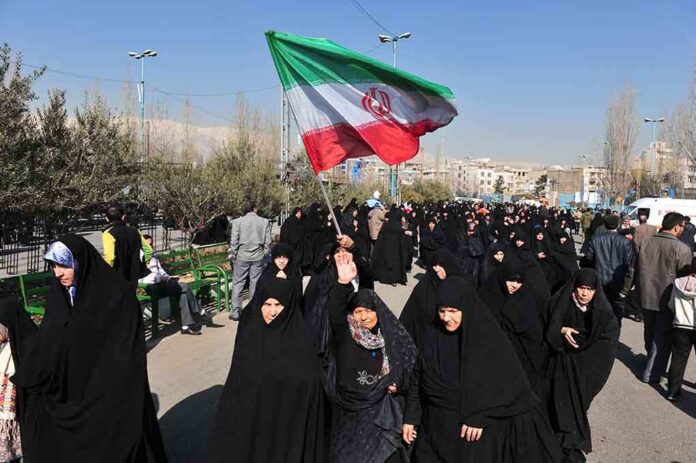
The shift from economic complaints to political defiance came faster than many outside Iran expected but fits a pattern citizens inside the country know well. By early January, demonstrators were chanting “Death to Khamenei” and slogans that rejected not just policies, but the entire architecture of the Islamic Republic. Past waves—2017–2018, 2019, and the 2022 “Women, Life, Freedom” protests, had already worn away faith in gradual reform and small technocratic fixes.
Younger Iranians, who have seen every promised “opening” slammed shut, show little patience for incrementalism. Their tactics and slogans reveal an understanding that inflation, corruption, and authoritarian rule are fused problems, not separate issues. When Supreme Leader Ali Khamenei dismissed protesters as “rioters” who must be put “in their place,” he confirmed what many already believed: the leadership views economic misery as a policing challenge, not a failure of governance. That message only hardens demands for systemic change.
The New Blueprint: Decentralized, Mobile, And Hard To Crush
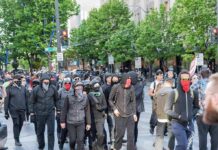
Security services in Iran still hold overwhelming firepower, but they now face a protest model designed to deny them a clean target. Instead of gathering in single massive crowds that can be boxed in and beaten back, demonstrators have shifted toward short, mobile gatherings that appear and vanish quickly across neighborhoods. Night-time protests from homes, chants from windows and rooftops, and rolling market strikes spread pressure while reducing individual exposure.
Universities add another front, with at least 45 campuses joining protests and sit-ins by January 7. That creates a multi-nodal challenge for security forces already stretched across more than a hundred cities and hundreds of protest sites. Internet shutdowns and cuts to international phone service, tactics refined during the deadly 2019 crackdown, have returned in force. Yet activists, students, and bazaar networks adapt with pre-planned routes, word-of-mouth coordination, and diaspora media amplifying calls and footage where digital cracks appear.
Regime Firepower Versus Popular Endurance
Casualty and arrest numbers reflect a state leaning hard on its coercive edge. By January 8–9, rights monitors estimate at least 42 people killed and more than 2,270 detained, with hospital raids and televised forced confessions already reported. Police, special units, the IRGC, and Basij volunteers front the crackdown, and at least one Basij member has been killed in clashes, fueling official narratives of “security threats.”
American conservatives tend to respect law, order, and national sovereignty, yet they also ground their worldview in individual liberty and the right to resist unaccountable power. When a government deploys live ammunition, mass arrests, and information blackouts against citizens whose core grievance is that the same rulers engineered both economic ruin and political closure, the balance of common sense sympathy tilts toward the streets, not the palace. That does not mean cheering foreign meddling; it does mean recognizing basic human agency under an overgrown security state.
Why This Wave Matters Beyond Iran’s Borders
Iran’s leadership faces its most intense domestic pressure since at least the bloodshed of 2019 and the 2022 uprising, and it knows it. Each new cycle of protest teaches the public how to organize faster and forces the regime to burn more legitimacy to stay in control. Short-term, the leadership can still rely on its guns, jails, and courts. Long-term, repeated nationwide uprisings over both bread and freedom signal a system that governs more by fear than by consent.
For Americans watching from afar, these protests underscore a core principle: societies that suffocate markets, muzzle dissent, and concentrate power in unaccountable hands eventually collide with their own people. Iran’s merchants, students, and workers are not asking Washington to fight their battles; they are shouldering the risk themselves, in streets and on rooftops from Tehran to provincial towns. How long a regime can fire on that many of its own citizens while claiming moral and political authority is the real open question now.
Sources:
A timeline of how the protests in Iran unfolded and grew
Iran News in Brief – January 7, 2026
Iran’s new wave of protests prompt hospital raids, internet shutdowns
Iran Witnesses Biggest Protests So Far As Demonstrators Change Tactics