

restoreamericanglory.com — The miracle was not just that a 14-year-old Queens boy survived a chunk of falling concrete—it was that the system designed to prevent this kind of thing has already failed another child before.
Story Snapshot
- A Jackson Heights teen survives after a concrete piece falls from a building facade onto his head
- New York City’s own investigation files show how fake or negligent facade inspections have already ended in a child’s death
- Current public claims of “neglect” in Queens rest on inference, not yet on building-specific records
- The real fight now is over documents, engineering facts, and whether this was preventable or just “one of those things”
When A Walk To The Corner Store Turns Into A Near-Death Experience
Parents in Jackson Heights send their kids out assuming the danger is on the streets, not falling from the sky in the form of concrete. A teenager walking under what looked like an ordinary Queens apartment building was struck in the head by a chunk of facade that detached without warning, leaving him bloodied, hospitalized, and lucky to be alive. News reports describe the debris falling from the building exterior during a clear, ordinary day, not a hurricane or freak storm.[1][5]
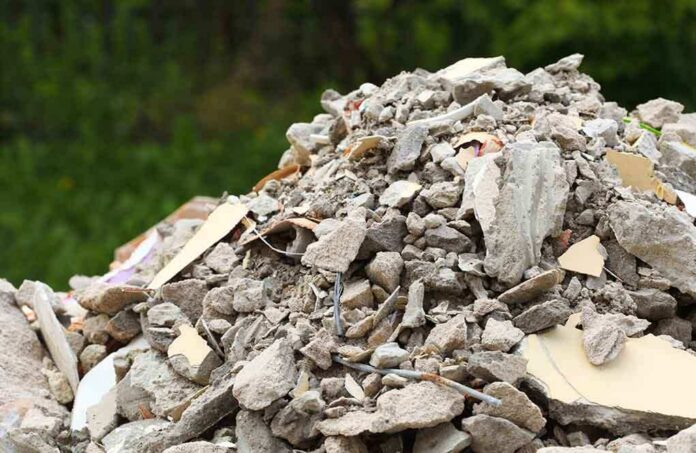
Emergency crews rushed to the scene, treated the boy, and transported him to the hospital while stunned neighbors stared up at what suddenly looked like a weaponized building. Pieces of the facade lay on the sidewalk as a physical reminder that gravity plus neglect—or bad luck—can turn any New York City block into a hazard zone.[1][5] Cameras captured the aftermath, but not yet the why. That answer will not come from TV standups; it will come from records.
The Greta Greene Case: A Grim Blueprint For How Facades Fail
New Yorkers have seen this movie before, and the earlier version did not end with a miraculous survival. In 2015, two-year-old Greta Greene was killed on the Upper West Side when terracotta from a residential building’s facade broke free and struck her as she sat on a bench with her grandmother.[1] The Department of Investigation later found that a professional engineer had filed a facade inspection report years earlier without ever visiting the building, falsely certifying the exterior as safe under Local Law 11.[1]
That official report lays out a chilling chain: a required inspection that never happened, a rubber-stamped “safe” filing, and then, four years later, a lethal piece of terracotta dropping from the very facade that was supposedly compliant.[1] The Greene case shows in black and white that falsified or negligent facade inspections are not hypothetical. They exist, they have names attached to them, and in at least one case a child died because the paper said “safe” while the brick said otherwise. When Queens tenants now talk about neglect, that is the precedent burned into their minds.[1]
What We Know And Do Not Know About The Jackson Heights Building
The temptation, especially in a city already furious about absentee landlords, is to snap to judgment and assume the Jackson Heights facade was another Greta Greene situation. The problem is that, as of now, there is no incident-specific proof in the public record to back that up. The available materials do not yet include the building’s past facade inspection filings, its Local Law 11 reports, any violation history, or engineering assessments tied to this address.[1]
No document in hand shows a missed inspection, a falsified report, a prior violation for loose masonry, or a Department of Buildings order that went ignored. That does not mean the building was well maintained; it means the neglect claim is still an inference, not a demonstrated fact. Conservative common sense says you do not convict anyone—landlord or city inspector—without reading the actual inspection records, maintenance logs, and code enforcement history first.[1]
Neglect Or Unforeseeable Accident? The Evidence Gap
Whenever a building element falls and hits a child, the narratives usually polarize fast. One side talks about greedy owners cutting corners, shrugging off repairs, or gaming the inspection system. The other side talks about “freak accidents,” wind gusts, or unforeseeable failure. That pattern has repeated in other child injury cases where walls collapsed or roofs gave way, with lawsuits later digging into whether long-ignored defects or unusual loads caused the collapse.[2][3][4][5]
In Jackson Heights, defenders may argue that an unusual stressor—like wind or hidden deterioration—caused a sudden, unpredictable break. The current record does not include weather data, structural analysis, or a forensic engineering report to validate that theory.[1] Neglect advocates, on the other hand, lean on the Greta Greene precedent to argue that where there is facade failure, there is probably earlier neglect. The honest answer is that, until records are pried loose, both are still claims, not conclusions.
The Paper Trail That Will Decide What Really Happened
The decisive facts are not going to come from one more street interview. They will come from the paper trail and the fieldwork. City records can show whether required facade inspections actually occurred, who signed them, what they found, and whether there were unresolved violations or repair orders. Freedom of Information requests can uncover agency emails, enforcement steps, and any prior complaints about falling debris or visible cracking at that exact property.[1]
A serious investigation would then pair those documents with a fresh, independent engineering assessment of the facade: mapping cracks, testing anchors, looking for water infiltration, and analyzing the fracture of the concrete that hit the boy. At the same time, incident reports from police, paramedics, and building inspectors on the day of the injury would show what the scene looked like before the lawyers arrived—whether there were obvious signs of long-term deterioration or a clean break more consistent with sudden failure.[1]
Why This Matters Far Beyond One Block In Queens
New York City’s skyline rests on a simple civic promise: if a building owner wants the privilege of renting space above your head, they take responsibility for keeping their masonry where it belongs. The Greta Greene case proved that when government lets that duty slide, a two-year-old can pay with her life.[1] The Jackson Heights teen’s survival is a blessing, but it should not be an excuse to shrug and wait for the next headline.
For readers who care about law, order, and basic accountability, the standard ought to be clear: demand facts, not feelings, but once the facts show a pattern of neglect or falsified inspections, expect consequences. That means real enforcement, real penalties, and, if warranted, criminal charges against those who turned a safety obligation into a paperwork charade. Until then, every parent walking a child under a city facade is trusting a system that has already shown it can fail.
Sources:
[1] Web – NYC teen miraculously survives after chunk of concrete facade falls on …
[2] Web – [PDF] Facade Fatality Report – NYC.gov
[3] Web – 14-year-old boy airlifted to Atlanta hospital after falling through …
[4] YouTube – 14-year-old fell 40 feet through roof of Byron business, airlifted to …
[5] YouTube – 14-year-old’s death being investigated after wall falls on …
© restoreamericanglory.com 2026. All rights reserved.