
Border Patrol recorded 98,708 southwest arrests in fiscal year 2026, and that single number rewrote the modern border debate.
Story Snapshot
- Homeland Security tallied 98,708 southwest apprehensions in FY2026, a modern-era low.
- DHS says apprehensions fell about 95% from Biden-era annual levels above 1.8 million.
- Officials also reported the first fiscal year with zero Border Patrol releases.
- The total is 60% lower than the Biden peak month of December 2023 at 249,740.
What changed: the count, the cadence, and the consequences
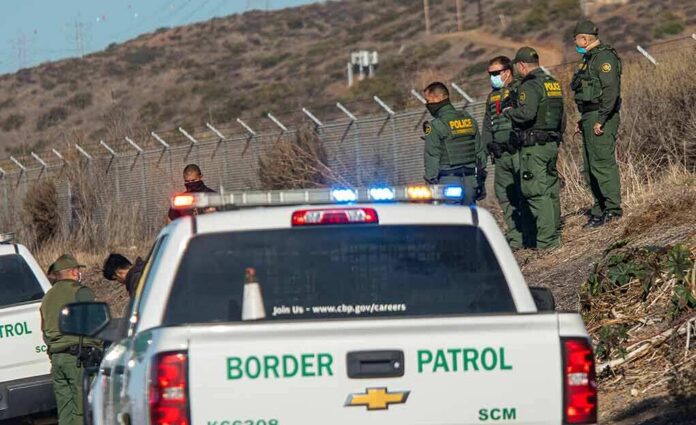
The Department of Homeland Security reported that Border Patrol made 98,708 apprehensions at the southwest border in fiscal year 2026. That is the lowest annual figure cited in agency materials in decades and a sharp break from recent years. Homeland Security framed the drop as a 95% decline from annual levels that topped 1.8 million during the Biden administration. Multiple outlets reported the same total and the same scale of decline, reflecting a consistent topline across early coverage.
Officials also highlighted an operational shift they called historic: zero Border Patrol releases during the entire fiscal year. That claim points to a simple idea with large effects. If the government does not release people into the interior after apprehension, word spreads fast. Migrants weigh risk and reward. When the reward falls and the risk rises, many choose not to try. That aligns with how deterrence has worked in other migration settings, including tougher enforcement in Mexico’s interior and along transit routes.
The benchmark: from a monthly peak to a yearly floor
The scale of the change stands out not only against annual totals but also against the single worst month of the prior period. The department noted that the 2026 yearly total was 60% lower than December 2023 alone, when Border Patrol recorded 249,740 apprehensions. Stacking a whole year against one record month underscores how far the volume fell. It also shows the cadence flipped. Instead of spikes and crush points, the system saw steadier, lower counts that facilities and agents could handle.
The number itself does not tell every story at the border. Apprehensions count who agents catch and process, not every person who tries to cross. But as an indicator of flow and strain, they matter. Families in border towns feel the difference between 250,000 a month and under 100,000 a year. So do ranchers, hospitals, and schools. Common sense says that order starts with control, and control starts with fewer illegal entries.
Policy, posture, and the message sent
The Department of Homeland Security credited the decline to a hard enforcement posture under President Trump and Secretary Markwayne Mullin. The department’s statement emphasized firm consequences and the end of catch and release within Border Patrol’s authority. That line speaks to a core conservative value: laws should be clear, applied fast, and backed by real outcomes. When government signals it will enforce the law, people adjust. When it blurs the line, chaos follows.
Independent reporting matched the department’s figures and framing of the decline’s size, describing apprehensions as at or near historic lows and repeating the 98,708 total. These reports also echoed the department’s comparison to Biden-era volumes and the claim of the first fiscal year with zero Border Patrol releases. The breadth of that alignment matters because it reduces the chance that this is a rounding quirk or a stray metric.
Reading the numbers with clarity and care
Apprehensions are an administrative measure. They reflect who Border Patrol finds, stops, and processes. They do not measure undetected crossings, and they do not separate first-timers from repeat attempts by themselves. That does not weaken the headline accomplishment. It sets a lane for what the figure means: far fewer recorded attempts reached the hands of agents, and agents reported a year without releasing people from their own custody. That is what the data supports right now.
Border Patrol Logs Under 99,000 Southwest Arrests in Fy2026, Lowest in Nearly 60 Years | Tyler Durden, Zerohedge
The Department of Homeland Security said Friday that Border Patrol made 98,708 apprehensions on the southwest border in fiscal 2026, which ended Sept. 30, a 95% drop… pic.twitter.com/u2jrmhfuN4
— Owen Gregorian (@OwenGregorian) October 25, 2026
These figures remain preliminary, as the department noted, and standard revisions could arrive later. The big picture will not change: the 2026 southwest apprehension total is exceptionally low by modern standards, the decline from the prior period is very large, and the operational change on releases is clear within Border Patrol’s lane. Policy debates will continue, but the scoreboard for 2026 shows a decisive turn toward control, consequence, and order at the border.
Sources:
voz.us, foxnews.com, dhs.gov, ians.in
© restoreamericanglory.com 2026. All rights reserved.