Trump’s new fuel economy standards slash the Biden-era targets and promise cheaper cars—while igniting a fight over costs at the pump and in the showroom.
At a Glance
- President Trump approved new fuel economy rules, replacing stricter Biden-era targets.
- The plan cuts the 2031 target from about 50 miles per gallon to roughly 34.5 miles per gallon.
- The White House says looser rules will lower car prices and expand choice.
- Environmental groups warn drivers will spend more on fuel over time.
What Changed And Why It Matters
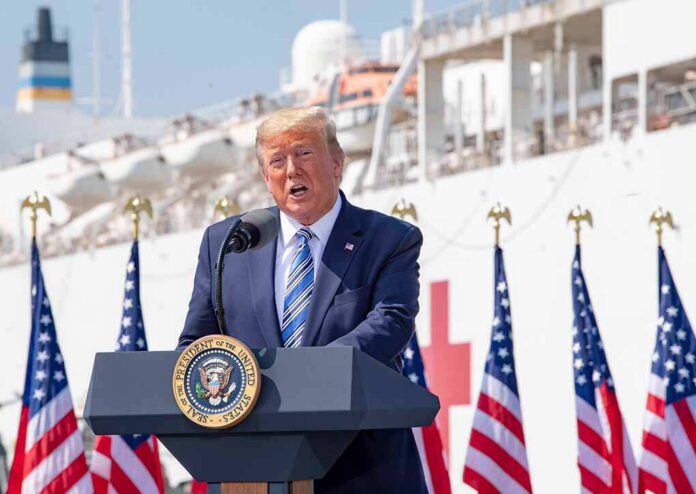
President Trump announced updated fuel economy standards that roll back the Biden-era push for faster gains and more electric vehicles. Reports say the plan lowers the 2031 target from near 50 miles per gallon to about 34.5 miles per gallon for new cars and light trucks. Trump framed the move as a consumer win, saying it ends what he called an electric vehicle mandate and cuts waste in car building, which he argues will mean lower sticker prices for families.
The White House has pitched this shift since early 2026 as part of a larger deregulation effort. It says families will save thousands on new cars as compliance costs fall and automakers gain flexibility to build what buyers actually want. The message links lower red tape to stronger domestic production, steadier jobs, and more choices across sedans, pickups, and sport utility vehicles. The promise is simple: fewer mandates, more supply, lower prices.
The Numbers Behind The Headlines
Multiple outlets reported the target change will apply through model year 2031 and reduce the average miles per gallon that companies must hit across their fleets. That matters because tougher standards can push automakers toward electric and hybrid models to meet the average. A lower target lets them comply with more gasoline models and fewer expensive technology upgrades, at least on paper. This is the policy lever that Trump says will bring down car prices.
The administration earlier also moved to revoke the legal basis used for climate-related vehicle rules and to end separate tailpipe emissions standards. That step widened the gap with the prior policy, which paired fuel economy with emissions targets to speed technology shifts. Supporters of the rollback argue that Washington went too far and priced out working families. They say the market, not mandates, should decide the mix of engines on the road.
The Price Promise Meets The Pump
The price claim now drives the debate. Reuters noted the administration had not released the final rule text or its full cost model when Trump announced the change, which leaves the exact savings unverified in public documents. That is a political risk; voters will look to dealer lots for proof. Still, the logic tracks a common-sense view: if you remove costly compliance steps, you can build more cars at lower cost, then pass some savings to buyers.
Opponents counter with fuel math. The Sierra Club argues that less efficient fleets mean more gasoline burned and higher lifetime costs for drivers, which can swamp any small drop in sticker prices. The group also warns about dirtier air and public health costs. This is the core split: pay more upfront for efficiency and save later, or pay less now and spend more at the pump over time. The right balance depends on fuel prices, commute needs, and household budgets.
Consumer Choice, American Values, And The Road Ahead
American conservative values favor choice, competition, and transparent tradeoffs. The rollback aligns with that by easing rules that nudged buyers toward electric vehicles regardless of demand. It gives automakers room to build the trucks and sport utility vehicles many families still choose. That reflects reality on Main Street. Families replace cars when they must, not to satisfy a model’s assumptions. Policy should meet people where they are, not where activists wish they were.
President Donald Trump has approved new federal Fuel Economy Standards, effectively terminating the stricter emissions rules and electric vehicle (EV) targets established by the prior Biden …
President Donald Trump has approved new federal Fuel Economy Standards, effectively…— Project Magneto (@Project_Magneto) September 26, 2026
The test comes next. If the final rule confirms a lower compliance burden and dealers post more affordable trims, the administration’s case strengthens. If gasoline costs climb or efficiency falls faster than prices, critics will have numbers to attack. For now, the facts are clear: targets are looser, electric vehicle pressure is lower, and the White House bets that lighter rules will bring lower upfront prices. Voters will judge at the lot, not in a lab.
Sources:
townhall.com, thehill.com, aljazeera.com, foxbusiness.com, newsweek.com
© restoreamericanglory.com 2026. All rights reserved.