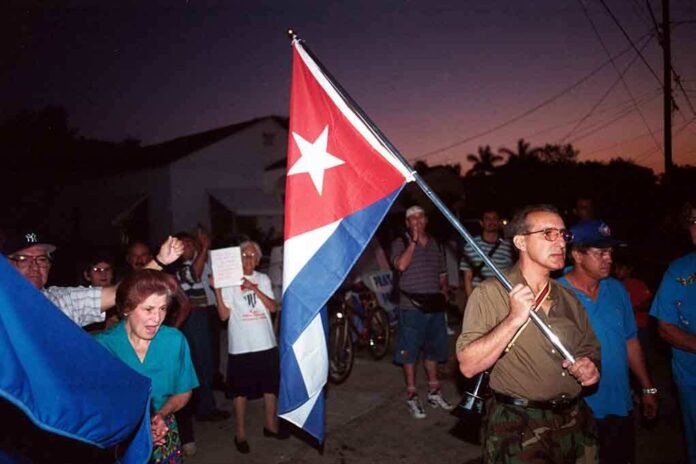
Cuba’s 2026 event calendar is not just a list, it’s a bold statement of resilience and ambition in the face of economic adversity.
Story Highlights
- Cuba’s Ministry of Tourism unveils a record-breaking 276 events for 2026.
- The calendar aims to bolster tourism amid economic and political challenges.
- Focus on MICE tourism, cultural festivals, and international gatherings.
- Efforts align with global tourism standards to enhance Cuba’s international image.
Cuba’s Eventful Roadmap for 2026
The Ministry of Tourism (Mintur) in Cuba recently unveiled an ambitious 2026 event calendar, marking a significant increase to 276 events from the previous year’s 226. This surge aims to position Cuba as a global hub for tourism and cultural exchange, leveraging its rich cultural tapestry to attract international visitors. The announcement took place in Varadero, Cuba’s premier beach resort, signaling a strategic push to rejuvenate the island’s tourism sector amidst ongoing economic challenges.
The calendar includes a diverse array of events, from the internationally renowned Jazz Plaza Festival, which will expand to new cities such as Santiago and Santa Clara, to niche gatherings like the International Puppet Festival. This diverse lineup underscores Cuba’s commitment to showcasing its cultural heritage while embracing modern tourism trends, including Meetings, Incentives, Conventions, and Exhibitions (MICE) tourism—a sector poised for growth as Cuba seeks to enhance its global standing.
The Strategic Importance of MICE Tourism
MICE tourism has become a cornerstone of Cuba’s strategy to attract international visitors. This focus not only promises to bring in significant revenue but also serves as a platform for knowledge exchange and international collaboration. By aligning with global associations like the International Congress and Convention Association (ICCA), Cuba aims to demonstrate its capabilities in hosting world-class events. The government’s Decree 90/2023 centralizes event oversight under Mintur, reflecting a coordinated effort to maximize the impact of these events on the nation’s economy.
Beyond economic benefits, these events are crucial for Cuba’s cultural diplomacy. They offer a stage to counter negative narratives and highlight the country’s hospitality and security, crucial for attracting foreign investment and fostering international partnerships. The expanded Jazz Plaza Festival is a key example, drawing musicians and tourists from around the globe, thus enhancing Cuba’s reputation as a safe and vibrant destination.
Economic and Social Implications
The unveiling of this calendar is not just about tourism; it’s about Cuba’s broader economic strategy. The events are expected to boost local businesses, create jobs, and increase hotel occupancy rates. This influx of visitors will bring much-needed foreign currency, helping to stabilize the economy in the short term. In the long term, the focus on sustainability and technology integration in events will position Cuba as a forward-thinking destination, appealing to a global audience seeking unique cultural experiences.
Socially, these events create opportunities for cultural exchange and community engagement. Local artists and performers, such as the iconic Buenavista Social Club, gain international exposure, fostering a sense of pride and identity among Cubans. Moreover, the emphasis on academic and professional events, such as the University Congress and Psychology Convention, signals Cuba’s commitment to becoming a center for intellectual and cultural discourse.
Global Perceptions and Future Prospects
Cuba’s bold move to expand its event calendar comes at a time when global perceptions of the island are in flux. While U.S.-Cuba relations remain tense, this initiative sends a message of resilience and openness to the world. By investing in its cultural assets and aligning with international tourism standards, Cuba is not only addressing its current economic challenges but also laying the groundwork for future growth.
As Cuba navigates these complexities, the success of the 2026 calendar will be a crucial barometer of its ability to harness cultural tourism as a driver of economic development. With strategic planning and international collaboration, Cuba aims to transform its challenges into opportunities, securing its place on the global tourism map.