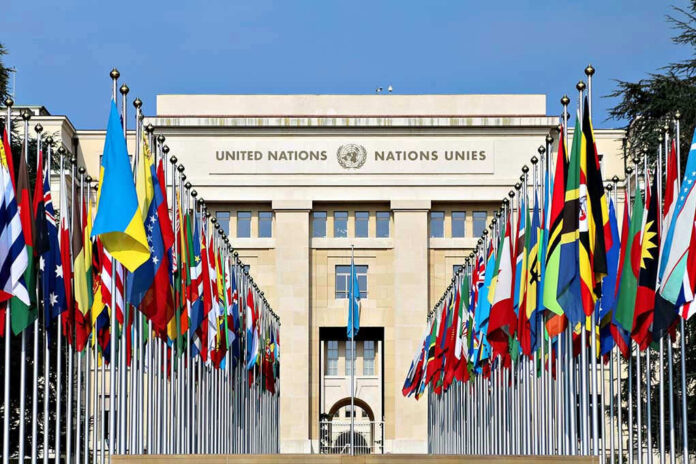
Europe’s unraveling isn’t coming quietly—when a U.S. president tells UN members their countries are “going to hell,” the world’s attention snaps to the collision of immigration, energy policy, and national identity that’s shaking the West to its core.
Story Snapshot
- Donald Trump unleashed a blistering critique of Europe’s immigration and energy policies, warning UN members of dire consequences.
- His remarks fueled an already incendiary debate on Western Europe’s future and the sustainability of its current trajectory.
- The speech raised urgent questions about national sovereignty, cultural preservation, and the role of global institutions.
- Many see Trump’s message as a rallying call for conservative resistance to what he labels as “suicidal” policies in Europe.
Trump’s UN Tirade: A Warning or a Wake-Up Call?
Donald Trump, never one to tiptoe around controversy, directed a verbal barrage at European leaders during a United Nations session, accusing them of steering their nations toward disaster. He declared, “Your countries are going to hell,” tying the fate of Western Europe to what he described as reckless immigration policies and a dangerous obsession with green energy. The remarks, delivered in Trump’s trademark style, landed like a thunderclap in a room not known for candor.
The president’s words echoed a growing anxiety among many Europeans who feel their governments are losing control. Citing rising crime, cultural tensions, and the economic strain of mass migration, Trump asserted that Western Europe is at a breaking point. He linked unchecked immigration to what he called “suicidal energy ideas,” suggesting that both are symptoms of a broader collapse of common sense and self-preservation among Western elites.
Immigration and the Fear of Losing National Identity
The heart of Trump’s critique centered on immigration, a subject that has divided Europe for years. As millions of migrants and refugees have entered the continent since 2015, many Western European societies have struggled to reconcile humanitarian ideals with the realities of integration. Trump’s warning, blunt as it was, tapped into a potent current of fear: that the rapid influx of newcomers threatens to erode national identity, overwhelm public services, and upend long-standing cultural norms.
Some critics dismissed Trump’s statements as fearmongering, but even his harshest detractors acknowledge that immigration has become a flashpoint in European politics. The rise of nationalist parties in France, Germany, and the Netherlands underscores a widespread unease about the pace of change and the ability of governments to maintain order and cohesion.
Energy Policy: The Peril of “Suicidal Ideas” or Path to Progress?
Trump’s condemnation didn’t stop at immigration. He also targeted Europe’s aggressive push toward renewable energy, calling green initiatives “suicidal” in their impact on economic stability and national security. In his view, the rush to abandon fossil fuels has left countries vulnerable to energy shortages, higher costs, and increased dependence on hostile regimes for oil and gas.
Supporters of Europe’s energy transition argue that climate change demands urgent action, and that the continent’s investments in solar, wind, and other renewables are both necessary and visionary. Trump, however, frames the debate as a choice between ideological purity and practical survival—a message that resonates with those wary of sacrificing prosperity and sovereignty on the altar of environmentalism.
UN Reaction: Condemnation, Caution, and the Battle for Western Values
Reactions at the UN were predictably polarized. Some delegates condemned Trump’s speech as inflammatory and divisive, accusing him of scapegoating vulnerable populations and undermining international cooperation. Others, however, saw in his words a necessary dose of reality—a reminder that the survival of Western civilization may depend on reclaiming the principles of national sovereignty, secure borders, and rational governance.
Sources:
A Step-by-Step Guide to Writing Compelling Introductions – Wordtune
How to Write an Introduction, With Examples – Grammarly
9 Feature Article Intros to Hook Your Readers