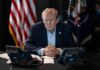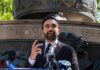


Two elected Massachusetts Democrats now face sweeping federal indictments that read like a checklist of how to loot a crisis.
Story Snapshot
- Federal prosecutors charged State Rep. Francisco Paulino with an 11-count scheme tied to over $700,000 in pandemic benefits and loans.
- A separate 11-count indictment accuses Lawrence Mayor Brian DePeña of obtaining over $1.5 million and using it for taxes, mortgages, and campaign cash.
- Both cases feature alleged laundering that moved relief funds through real estate and other accounts.
- Paulino pleaded not guilty; charges remain allegations unless proven in court.
Two Arrests, One City’s Trust on the Line
Federal agents arrested State Rep. Francisco Paulino and Lawrence Mayor Brian DePeña in separate cases weeks apart, but the storylines echo. Prosecutors say Paulino pulled more than $700,000 from unemployment benefits and small-business loans, then cycled money through real estate deals and high-yield accounts. DePeña’s indictment alleges over $1.5 million in small-business loans, routed to pay personal taxes, retire high-interest mortgages, and even bolster a campaign account. Voters do not forgive when relief money becomes personal lifelines for politicians.
🚨 BREAKING: The FBI has ARRESTED Democrat Massachusetts State Rep. Francisco Paulino for PANDEMIC FRAUD
Paulino faces SEVERAL DECADES in prison.
DOJ alleges the disgraced Rep. scammed taxpayers out $700,000 in pandemic relief funds for personal use, using it real estate…
— QThestorm RV🦅🇺🇲 (@17QStorm6RV) August 27, 2026
Charging papers detail methods that have become common in COVID-era fraud. Prosecutors say false claims, identity misuse, and cooked books opened the spigot. They allege that Paulino and DePeña then used simple laundering moves: shifting funds across accounts, buying or paying down property, and mingling cash with campaign money. That pattern tracks the broader wave of cases that exploit loose pandemic checks with document-light applications and speed over guardrails.
What Prosecutors Say Happened With the Money
The Paulino indictment centers on unemployment benefits and loans that programs reserved for people out of work or businesses on the brink. Prosecutors say he steered those dollars into real estate purchases and high-yield investment platforms, concealing their source and trying to grow them fast. The DePeña filings say relief loans plugged personal tax holes, wiped out high-interest mortgages, and pushed $90,000 to a campaign committee, shifting public rescue funds into private and political uses. These claims, if proven, strike at public trust.
Paulino pleaded not guilty at arraignment, as is his right, and now faces the long grind of federal court. These are allegations, not proof beyond a reasonable doubt. Still, the government tipped its hand with detail-rich indictments and money trails that they say link loan proceeds to personal gains. Juries tend to follow the money. Defense teams must now explain paper records that prosecutors say show falsehoods at the start and self-enrichment at the end.
Why These Cases Hit a National Nerve
The country saw pandemic aid flow with rare speed and scale. The Government Accountability Office warned early that weak upfront checks would spur fraud, and investigators later tracked tens of thousands of suspect Social Security numbers linked to billions in loans. Academic reviews found the worst cases blend multiple programs and keep the circle small, making schemes harder to spot fast. The Paulino and DePeña charges fit that mold: targeted claims, overlapping programs, fast transfers, and property paydowns that bury the trail.
Conservative instincts on this point look right: emergency cash without tight controls invites abuse. Aid must move fast, but not faster than common sense. Clear identity checks, bank-verifiable payroll records, and real-time cross-matches can screen out lies before dollars move. After that, hard clawbacks, public forfeitures, and campaign finance firewalls deter the next copycat. When relief becomes a slush fund, the honest taxpayer pays twice—once on the front end, once again in lost faith.
Accountability Without Excuses
Federal prosecutors framed both cases as simple promises broken. Relief programs pledged help to workers and small shops. The indictments say the defendants pledged honesty and then spent the money as if it were theirs. If a jury agrees, sentences should match the breach. If not, the record will clear them. Either way, the system must show two things at once: fair trials for the accused and firm guardrails for every future dollar. That balance is how trust recovers.
Sources:
kotaradio.com, justice.gov, independent.co.uk, youtube.com, nbcboston.com
© restoreamericanglory.com 2026. All rights reserved.