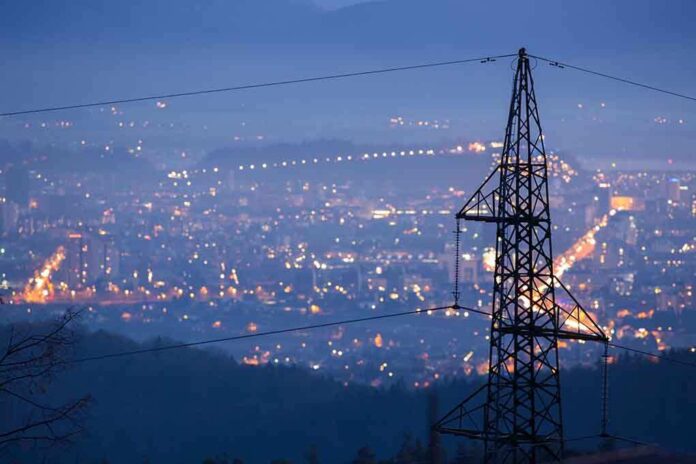
In a chilling testament to the vulnerabilities of modern infrastructure, left-wing extremists have plunged parts of Berlin into darkness, revealing the dangerous intersection of ideology and essential services.
Story Snapshot
- Left-wing Volcano Group sabotaged a power plant, causing a massive outage in Berlin.
- Over 50,000 households and 2,200 businesses were affected, with restoration delayed due to freezing weather.
- The attack raises concerns about the security of critical infrastructure.
- Authorities face pressure to address both domestic and foreign sabotage threats.
Sabotage Under the Guise of Ideology
The attack on the Lichterfelde gas-fired power plant in Berlin has been attributed to the far-left Volcano Group. This extremist organization, known for targeting infrastructure in protest against fossil fuels, executed a meticulously planned arson on a cable bridge. The resulting power outage affected up to 50,000 households and 2,200 businesses, causing significant disruption in freezing conditions. Despite their apology to lower-income residents, the group’s actions have been condemned for endangering lives.
The Volcano Group’s history of targeting energy infrastructure underscores a recurring challenge for authorities. Known for their eco-anarchist ideology, the group has previously attacked the Tesla Gigafactory and other critical sites. Their actions reflect a broader trend of using sabotage as a tool for ideological expression, particularly against industries perceived as contributing to environmental degradation.
Immediate Impacts and Ongoing Challenges
The immediate consequences of the attack were severe. With power outages expected to last until January 8, vulnerable populations, including those in hospitals and care facilities, faced heightened risks. The freezing weather added urgency to restoration efforts, but progress remained slow due to extensive damage. Berlin’s officials, led by Mayor Kai Wegner, have been vocal in condemning the attack, emphasizing its life-threatening implications.
As the city grapples with the aftermath, the incident has highlighted the fragility of urban infrastructure in the face of ideological extremism. The Volcano Group’s claim of responsibility, verified by authorities, has intensified discussions about the security of critical services. The attack has also prompted questions about the preparedness of local authorities, given the group’s known patterns of behavior.
Broader Implications for Security and Policy
Beyond the immediate chaos, the attack has broader implications for Germany’s approach to infrastructure security. The repeated targeting of energy sites by domestic extremists like the Volcano Group has exposed significant vulnerabilities. This incident, occurring amid a backdrop of heightened alerts for foreign sabotage, underscores the dual threat faced by German authorities. The need for robust security measures and policy responses has never been more apparent.
The political ramifications are equally significant. As officials respond to the attack, there is renewed scrutiny on left-wing extremism and its impact on national security. The public’s trust in the resilience of essential services has been shaken, prompting calls for comprehensive strategies to prevent future incidents. The incident serves as a stark reminder of the intersection between ideology, security, and the modern state’s responsibilities.