
Hospice fraud doesn’t just steal Medicare dollars—it hijacks the last chapter of a person’s life and turns it into a billing code.
Quick Take
- Federal officials under CMS Administrator Dr. Mehmet Oz put Los Angeles County hospice and home health billing under a harsh national spotlight.
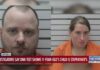
- DOJ’s “Operation Never Say Die” produced arrests tied to alleged sham hospice schemes totaling about $60 million in fraudulent Medicare claims.
- California leaders point to years of state enforcement, including a 2021 moratorium on new hospice licenses and hundreds of revocations.
- The political knife fight matters, but the practical warning signs matter more: survival-rate anomalies, address clustering, and “license flipping.”
Los Angeles became the nation’s strangest hospice marketplace
Dr. Mehmet Oz’s central claim landed because it paints a picture that feels impossible: Los Angeles County with roughly 1,800 to 2,000 hospices, far beyond what normal demographics would justify. That kind of density invites a basic, common-sense question seniors understand instantly: how can that many end-of-life providers exist without something being deeply off? Oz argued that suspicious clustering and implausible patient patterns signaled industrial-scale abuse of Medicare’s hospice benefit.
Fraud in hospice isn’t a clever accounting trick; it depends on pretending people are dying when they aren’t, or billing for care never delivered. Investigations described schemes built around fake or exaggerated medical documentation, kickbacks, and the use of “shell” businesses that appear legitimate on paper. That corruption hits taxpayers first, but patients and families pay in a different currency: confusion, disrupted care, and the possibility that real hospice providers get crowded out by storefront operations.
The $3.5 billion headline number needed a reality check
Oz publicly floated a staggering figure—$3.5 billion in Los Angeles County hospice and home health billing that he suggested involved improper activity. Later clarification mattered: the number was described as total billing, not proven fraud. That distinction is not a technicality. Conservative voters should demand aggressive oversight without letting rhetoric outrun evidence, because exaggerated numbers give opponents an easy escape hatch: attack the messenger instead of fixing the system that made the fraud plausible.
Oz also suggested Russian and Armenian organized-crime involvement. No public accounting in the provided reporting ties the April arrests directly to those broad mafia claims, and the earlier investigative reporting described kickbacks and fabricated eligibility without naming foreign mobs. Common sense says criminals will exploit weak controls regardless of ethnicity, and law enforcement should follow money trails, not stereotypes. If officials can’t connect the dots publicly, they should stick to verifiable patterns: addresses, ownership webs, and billing outliers.
What “Operation Never Say Die” says about how the scam works
The April 2026 federal sweep matters because it moves the story from accusation to charges. DOJ’s “Operation Never Say Die” described sham hospice operations that allegedly enrolled Medicare beneficiaries who were not terminally ill, then billed Medicare as if end-of-life services were required. Reported examples included unusually high patient survival rates that don’t match what hospice is for. Prosecutors also described cases where operators allegedly kept running schemes even while under other forms of supervision, which should shock anyone who assumes the system automatically catches repeat offenders.
Those tactics reveal a vulnerability built into Medicare’s design: hospice is intended to be compassionate and fast-moving, so it relies heavily on medical certification and documentation. When criminals capture a willing prescriber or manufacture paperwork, the system can look “clean” until auditors or investigators compare patterns across providers. That is why clustering—multiple hospices linked to the same addresses or overlapping management—raises alarms. Fraud at this scale tends to behave like a franchise model, not a one-off con.
California’s defense: “We’ve been cracking down for years”
Governor Gavin Newsom’s office and state officials pushed back hard, describing Oz’s messaging as political and even as racial profiling, while emphasizing California’s prior enforcement. The state’s argument rests on actions that predate the current federal flare-up: a multi-agency task force, widespread license revocations, and a 2021 moratorium on issuing new hospice licenses. Those steps sound serious, and they are, but the obvious rebuttal remains: if the marketplace was already that distorted, why did it get that far in the first place?
Federal-state tension is not just theater; it shapes what gets enforced and how fast. CMS can decertify providers and tighten payment rules, while states control licensing and can choke off new entrants. When each side blames the other, scammers keep cashing checks. A conservative lens favors clear lines of accountability: if a provider can “flip” a license through proxies, use family names, or recycle ownership structures, regulators should treat that like identity fraud and shut down the loophole, not argue about press releases.
The practical warning signs families should watch for
Families rarely choose a hospice the way they choose a plumber; they choose under stress, often after a hospital discharge planner hands over a list. That urgency is exactly what scammers exploit. A legitimate hospice will explain eligibility, prognosis expectations, and care plans without pressuring a signature. A suspicious one may appear out of nowhere, offer “free” extras, or aggressively target seniors for enrollment. If a provider downplays the need for a terminal diagnosis, treat that as a flashing red light.
Communities should also pay attention to the local footprint. Reporting highlighted “ground zero” style hotspots—multiple hospices stacked into a small set of buildings. That does not prove fraud by itself, but it deserves scrutiny because real hospice care is labor-intensive and relationship-based. A cluster of paper entities in a multi-tenant office can indicate back-office billing operations rather than nurses making home visits. Seniors don’t need a database; they need the confidence to ask, “Where are you located, and who actually owns this place?”
Oz promised tougher audits and enforcement, and California points to revocations and moratoriums. Both can be true, and both can still be insufficient if criminals can rebuild under new names faster than the government can connect records. The conservative bottom line is straightforward: Medicare is not an endless ATM, and end-of-life benefits should never become a cash machine for people who treat patients as inventory. The only sustainable fix is relentless, evidence-driven policing—without political spin, without ethnic scapegoating, and without excuses.
Sources:
KFF Health News – Hospice Fraud Medicaid Mehmet Oz CMS California
Fox LA – LA Hospice Fraud Multimillion Dollar Medicare Arrests
CBS News – Dr. Oz Pledges to Tackle Hospice Fraud
Fox Business – Dr. Oz Warns Foreign Nationals May Tied US Hospice Fraud Points LA Hotspot
ABC7 – Doctors Nurses Arrested SoCal Health Care Fraud Investigation