
Claims of a secretive federal investigation targeting over 160 Republican lawmakers—described as “100 times worse than Watergate”—have detonated a political firestorm, yet the nation’s major newsrooms remain silent, fanning the flames of suspicion and outrage.
Story Snapshot
- Arctic Frost, a covert FBI operation, subpoenaed records from more than 160 Republican lawmakers and affiliates.
- Senators liken the probe to Watergate, calling it a political witch hunt of historic scale.
- Whistleblowers and document leaks forced the investigation into public view after over a year of secrecy.
- Despite the scope, corporate media coverage has been minimal, fueling debate about press bias and institutional trust.
Arctic Frost’s Origins: From Election Aftershocks to Surveillance Scandal
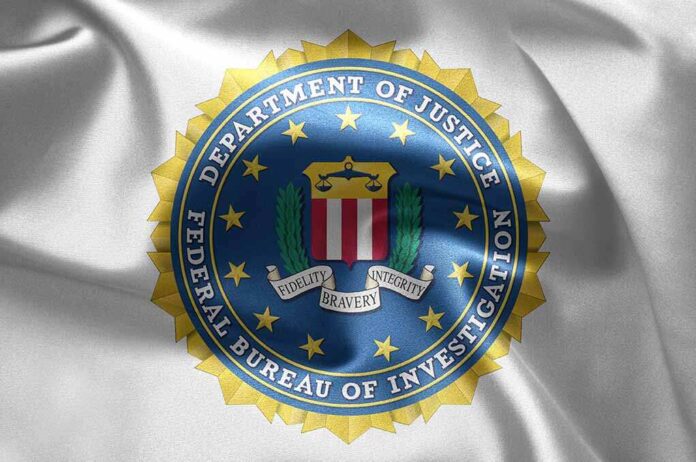
Arctic Frost began in April 2022, launched by the FBI under Biden administration oversight, as federal agents sought to unravel alleged plots to overturn the 2020 presidential election. The initial focus was attempts by Trump allies to submit alternate elector certificates and disrupt congressional certification. As the investigation widened, so did its targets—phone metadata and communications from a swath of Republican lawmakers, staff, and conservative organizations came under federal scrutiny. The operation, concealed behind closed doors, simmered for months before a drip of whistleblower leaks reached Senator Chuck Grassley, prompting the first overt stirrings of congressional oversight.
The probe’s secrecy, the breadth of its subpoenas, and its direct targeting of sitting senators and Trump campaign figures evoked historical memories of political surveillance scandals, yet little was publicly known until late 2025. Senator Grassley’s office, armed with internal documents and whistleblower testimony, began to piece together the extent of the FBI’s dragnet. The resulting revelations made clear that Arctic Frost was not a routine election inquiry, but a sprawling campaign affecting a significant portion of the GOP’s leadership and support network.
Senate Oversight and the Watergate Comparison
By October 2025, the Senate Judiciary Committee released nearly 200 subpoenas, exposing the sheer scale of the investigation. Senators Ted Cruz and Ron Johnson decried the operation as an “enemies list” reminiscent of Nixonian abuses, with Cruz comparing it directly to Watergate—only “100 times worse,” given the number of officials targeted and the stakes for American governance. Senator Johnson insisted the operation reflected partisan weaponization of law enforcement, a claim echoed in press conferences and committee hearings as both men demanded accountability from the FBI and DOJ leadership. FBI Director Kash Patel, newly installed, pledged reforms and an end to such abuses, but his assurances did little to quell the political uproar or restore trust among those targeted.
Legal experts weighed in, clarifying that the operation involved phone metadata analysis rather than direct wiretaps, a distinction with constitutional implications. Yet, for many lawmakers, the difference offered little comfort: the federal government had surveilled political opponents at a scale unseen in the post-Watergate era. The question of motivation—national security or political retribution—remained hotly contested, with each side arming itself with legal interpretations and carefully selected facts.
Media Silence, Public Outcry, and the Battle for Narrative Control
Despite the drama unfolding in congressional chambers and the clear parallels to historic scandals, Arctic Frost received minimal attention from the nation’s largest news outlets. This apparent media blackout became a story of its own, with critics charging that partisan bias and institutional interests were at play. Conservative outlets and commentators drove the narrative, documenting the lack of coverage and amplifying the sense of outrage among Republican voters and activists. Social media feeds filled with comparisons to Watergate, demands for accountability, and questions about the future of American democracy. The absence of mainstream media coverage only deepened the sense of a system stacked against dissenting voices.
As the Senate Judiciary Committee promised further disclosures and ongoing hearings, the broader public was left to navigate a thicket of leaks, partisan statements, and sporadic news stories. For those directly affected—lawmakers, campaign staff, and activists—the ordeal meant legal costs, reputational risks, and a chilling effect on political engagement. For the rest of the nation, it posed a larger question: what happens when federal power operates in the shadows, unchecked by the institutions meant to inform and protect the public?