
A former cable news anchor now faces federal civil rights charges for livestreaming a church protest, transforming what he claims was journalism into what prosecutors call a coordinated assault on religious freedom.
Story Snapshot
- Don Lemon pleaded not guilty February 13, 2026, to conspiracy and FACE Act violations stemming from his coverage of a January 18 anti-ICE protest at Cities Church in St. Paul
- Federal prosecutors charge nine defendants with disrupting worship after activists targeted a pastor they identified as an ICE field office director
- A federal magistrate judge initially refused to sign arrest warrants in what the chief district judge called an “unheard of” procedural move
- The case pits First Amendment press freedom claims against federal protections for houses of worship, with Attorney General Pam Bondi personally championing the prosecution
- Approximately 100 supporters rallied outside the courthouse while church representatives called the protest a “coordinated planned operation”
When Journalism Becomes Conspiracy
Lemon entered federal court in St. Paul alongside four co-defendants to answer charges that transform his livestream coverage into criminal conspiracy. The former CNN anchor faces allegations of conspiring to deprive civil rights and violating the Freedom of Access to Clinic Entrances Act, a statute historically reserved for abortion clinic blockades now repurposed to protect worship spaces. His defense team, including prominent attorney Abbe Lowell, characterizes the prosecution as political persecution. The government sees it differently, arguing Lemon participated in rather than merely documented a disruption.
The Church Protest That Triggered Federal Charges
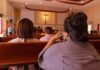
On January 18, activists stormed Cities Church during services, demanding “ICE out” and chanting for justice. The protesters targeted David Easterwood, a senior pastor they identified as the acting director of the St. Paul ICE field office. Lemon arrived with his camera equipment, having met with organizers beforehand. He livestreamed the disruption, conducting interviews with congregants, protesters, and a pastor who asked the group to leave. What prosecutors call intimidation and harassment, Lemon calls reporting on a newsworthy confrontation between immigration enforcement critics and a religious institution they accused of collaboration.
Federal Power Meets First Amendment Defense
The procedural history reveals more than typical criminal processing. A federal magistrate judge refused to sign arrest warrants for Lemon and four others, prompting the U.S. Attorney’s Office to request review by Chief U.S. District Judge Patrick Schiltz, who called the maneuver unprecedented in Minnesota’s federal system. Lemon was arrested “in the middle of the night” by federal agents while covering the Grammy Awards in Los Angeles. Attorney General Pam Bondi issued a public statement promising prosecution of those who threaten worship access. President Trump praised the charges, calling the church disruption a “horrible thing.” The heavy federal response to a single protest disruption signals broader administration priorities.
The nine defendants include civil rights activist Nekima Levy Armstrong, military veteran Will Kelly, St. Paul school board member Chauntyll Allen, student activist Jerome Richardson, and independent journalist Georgia Fort. Their collective defense frames the prosecution as weaponization of the Justice Department to silence dissent. Church representatives, through True North Legal, argue defendants are doubling down on claims that press credentials permit any intrusion. The tension reveals competing visions of where press freedom ends and property rights begin, particularly when the property is consecrated space and the story involves immigration enforcement.
Where Press Freedom Collides With Religious Liberty
The FACE Act application represents novel legal territory. Congress passed the statute to protect abortion clinic access, but its language extends to houses of worship. Prosecutors argue the defendants conspired to intimidate churchgoers and disrupt religious exercise through coordinated action. The defense counters that covering a protest, even one that becomes disruptive, constitutes protected journalism. The magistrate judge’s initial warrant refusal suggests judicial skepticism about applying conspiracy statutes to press coverage. Yet the prosecution proceeds with Trump administration backing, raising questions about selective enforcement against critics of immigration policy. Former federal prosecutors now defending the accused adds institutional credibility to claims of overreach.
Lemon told supporters outside the courthouse he would not be intimidated and pledged to fight what he called baseless charges. Armstrong declared the federal government was trying to silence them. Church representatives countered that not guilty pleas defend an invasion of worship space under journalism’s banner. The case will test whether documenting a protest equals participating in it, whether meeting with organizers beforehand transforms a journalist into a conspirator, and whether the FACE Act can survive First Amendment scrutiny when applied to press coverage. Media organizations have already criticized the prosecution, recognizing the precedent it could establish for criminalizing journalism at protests deemed disruptive to protected spaces.
The Larger Context of Immigration Enforcement
The prosecution emerged from the Trump administration’s deployment of thousands of armed immigration agents into Democratic-governed Minnesota cities. That enforcement operation prompted organized resistance from civil rights activists who viewed the church targeting as strategic accountability for institutional ICE collaboration. The administration’s documented hostility toward critical media coverage, including stripping press credentials and filing lawsuits against news outlets, frames the Lemon prosecution within a broader pattern. Whether that pattern constitutes legitimate law enforcement or political retaliation depends largely on one’s assessment of where journalism ended and advocacy began on January 18 at Cities Church.
Sources:
Journalist Don Lemon pleads not guilty in Minnesota ICE protest case – KSL News
Don Lemon, Nekima Levy Armstrong plead not guilty in church protest – Star Tribune