Local police in California may soon find themselves in a legal showdown with federal agents over the use of force, a move that could reshape the boundaries of state and federal authority.
Story Overview
- Local authorities in California may arrest federal agents for breaking local laws.
- Nancy Pelosi and Kevin Mullin support this stance against excessive force.
- San Francisco’s District Attorney, Brooke Jenkins, leads the initiative.
- Challenges include identifying masked agents and potential federal immunity.
California’s Bold Move
Speaker Emerita Nancy Pelosi and Representative Kevin Mullin have publicly stated that California’s local law enforcement can arrest federal agents who violate state laws, particularly in cases of excessive force. This announcement follows reports of federal agents allegedly using undue force in cities like Los Angeles and Chicago. The statement underscores the belief that while the President may be shielded by immunity, those acting on his orders are not above state law.
District Attorney Brooke Jenkins of San Francisco is at the forefront of this initiative. She devised the strategy after witnessing federal agents “roughing up people” and believes local authorities can take action if federal agents break state laws. Jenkins emphasizes that her concern is rooted in protecting the citizens of San Francisco, urging her office to explore legal avenues to hold federal agents accountable.
Legal and Logistical Challenges
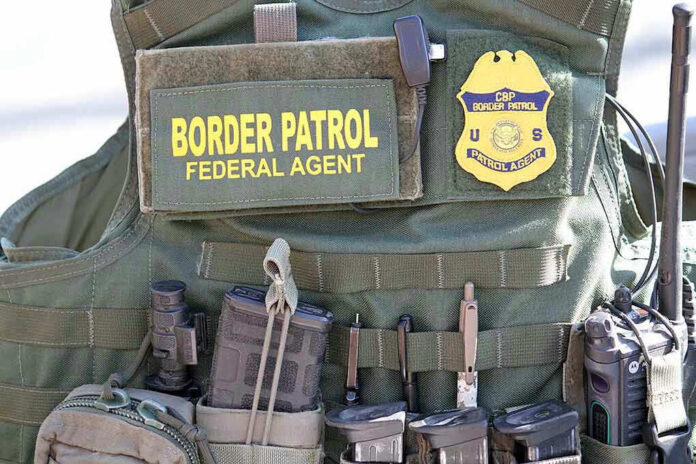
The proposed strategy involves reviewing camera footage to identify instances of excessive force by federal agents. If evidence of misconduct is found, local authorities would seek a judge’s warrant to arrest the involved agents. However, executing these arrests is fraught with challenges. Many federal agents operate anonymously, wearing masks and lacking badges or identification, complicating efforts to hold them accountable.
Moreover, a California law prohibiting agents from wearing masks does not come into effect until January and is expected to face legal challenges. The Trump administration may also pursue immunity for its officers or disregard the warrants, adding layers of complexity to the enforcement of these local actions.
Potential Implications
Legal experts, like Erwin Chemerinsky of Berkeley School of Law, argue that the legal precedent for states arresting federal officers is limited. Chemerinsky points out that while states may disagree with federal actions, they cannot prosecute agents acting within the bounds of federal law. This nuanced legal landscape suggests that California’s efforts could lead to significant legal battles over state versus federal authority.
The implications of this initiative extend beyond California, potentially influencing how states interact with federal agencies nationwide. If successful, this approach could embolden other states to pursue similar measures, challenging federal authority and sparking a broader national debate.
Looking Ahead
Jenkins’ focus remains on San Francisco, but the ramifications of her initiative could resonate across the country. As the legal challenges unfold, the future of state and federal law enforcement interactions hangs in the balance. The approach taken by California may set new precedents for how states can assert their rights against federal actions perceived as overreach.
This evolving story promises to capture national attention as it tests the limits of state and federal power. As California navigates these legal waters, the nation watches closely, pondering the potential shift in the balance of power between state and federal authorities.