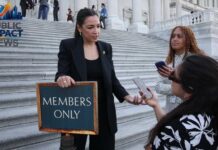
A January 6 rioter infamous for hoisting Nancy Pelosi’s podium now eyes a seat on a Florida county commission, testing the boundaries of redemption and voter forgiveness in local politics.
Story Snapshot
- Adam Johnson, convicted for carrying Pelosi’s podium during the Capitol riot, files to run for Orange County Commission District 3 in Florida’s 2026 elections.
- Sentenced to 75 days in jail plus probation, Johnson served his time and now pursues public office amid felony eligibility debates.
- Florida law bars felons from office unless civil rights restore via clemency, raising questions on his qualifications.
- Qualifying opens June 8-12, 2026, with primaries set for August 18, spotlighting redemption narratives in conservative strongholds.
- Story fuels discussions on accountability versus second chances in American elections.
Adam Johnson’s Capitol Riot Conviction
Adam Johnson entered the U.S. Capitol on January 6, 2021. He carried Nancy Pelosi’s podium through the House chamber. Federal prosecutors charged him with entering restricted areas, disorderly conduct, and parading with a government display. A Tampa jury convicted him in 2022. Judge Amit Mehta sentenced Johnson to 75 days in jail, 2 years probation, and $500 restitution. Johnson posed with the podium for a photo that went viral, earning him the nickname “Lectern Guy.”
Florida County Election Rules for Felons
Florida Constitution Article VI, Section 4 requires candidates swear they never been felony-convicted or had rights restored. Felons regain rights through Governor’s clemency board under Article IV, Section 8. County Supervisors of Elections verify qualifications during filing. Candidates submit DS-DE 9 for treasurer appointment and pay fees or gather petitions equaling 1% of district voters. Orange County District 3 needs about 1,046 signatures. Pre-qualifying petitions due 28 days before June 8, 2026 noon start.
Man convicted for carrying Pelosi's podium during Capitol riot seeks Florida county office https://t.co/z7UK9LIA3N
— Central Midwesterner ❌ (@MidWesterner007) January 13, 2026
Johnson announced his candidacy for Orange County Commission District 3. The seat opens in 2026 after reapportionment. Local voters in this conservative area now weigh his past against promises of fiscal responsibility and limited government. Common sense demands scrutiny of any candidate’s record, especially post-riot convictions that disrupted Congress. Yet restored rights align with conservative values of personal responsibility and second chances earned through law.
Key 2026 Florida Election Timeline
Candidates schedule pre-qualifying from May 26, 2026. Petitions submit by May 11 approximately. Qualifying runs noon June 8 to noon June 12. Voter registration closes July 16 for August 18 primary. General election occurs November 3. Early voting spans August 8-15 and October 24. Orange County Supervisors enforce these dates strictly, invalidating insufficient petitions.
Johnson’s bid draws national attention to local races. Opponents may challenge his filing on felony grounds. Voters face a choice: reject riot participants or embrace redemption stories. Facts show Johnson completed his sentence without violence charges. Conservative principles favor judging individuals by actions post-conviction, not perpetual punishment. This race tests if Florida voters prioritize character evolution over media memes.
Implications for Local Politics
Success for Johnson sets precedent for January 6 convicts in office. Media scrutiny intensifies petition drives and primaries. Economic impacts stay minor with qualifying fees tied to salaries. Socially, it sparks debates on accountability in Trump-aligned communities. Politically, it highlights felon restoration processes amid polarized elections. Local influencers and voters decide if podium-carrying disqualifies leadership forever.
Johnson campaigns on lessons from his experience, vowing stronger communities. His story underscores election laws’ role in vetting leaders. As qualifying nears, watch Supervisor decisions on his oath. This case embodies American ideals of comeback through rule-following, resonating with those valuing grace after genuine repentance.