

Federal charges loom over anti-ICE activists after they disrupt a church service in St. Paul, drawing nationwide attention and a DOJ investigation.
Story Overview
- A group of anti-ICE activists disrupted a church service in St. Paul, Minnesota.
- The protest targeted a pastor who is also an ICE official.
- U.S. Attorney General Pam Bondi announced federal investigations and arrests.
- The incident highlights tensions between religious freedom and civil rights activism.
Church Disruption Sparks Federal Investigation
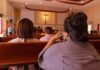
On January 18, 2026, a protest led by activist Nekima Levy Armstrong disrupted a Sunday morning service at Cities Church in St. Paul. The activists chanted slogans against ICE, targeting a pastor who doubles as an ICE field office director. The Department of Justice swiftly responded, announcing an investigation into what they termed an unlawful interruption of religious worship. This event marks the first recorded protest inside a church since the inauguration of Operation Metro Surge, a federal immigration enforcement campaign in the area.
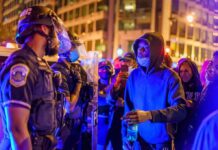
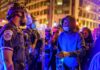
The disruption follows the death of Renee Good, a Minneapolis resident fatally shot by an ICE agent during a raid. Her death ignited daily clashes between community members and law enforcement, culminating in this church protest. The DOJ and Attorney General Pam Bondi have pledged to press charges against those responsible for the disruption, including prominent activist Nekima Levy Armstrong, who dismisses the investigation as a distraction from what she terms “barbaric ICE practices.”
Conflicting Narratives and Stakeholders
Federal authorities, led by AG Bondi, view the protest as a direct attack on religious freedom, vowing accountability for those involved. Bondi’s stance reflects a broader federal law enforcement agenda to maintain order amidst growing civil unrest. In stark contrast, activists like Armstrong see their actions as a necessary resistance against federal overreach and systemic injustices perpetrated by immigration authorities. This clash of narratives underscores a broader national debate on immigration enforcement and civil rights.
At the center of this conflict is the dual role of David Easterwood, a pastor at Cities Church and the acting director of ICE’s St. Paul office. His presence in both religious and federal spaces highlights a symbolic and practical dilemma for protesters and federal officials alike. The Department of Justice continues to coordinate with multiple federal agencies, including the FBI and DEA, as it investigates potential violations of federal trespassing and obstruction laws.
Implications of the Incident
The arrests and ongoing investigation carry significant implications for various stakeholders. For religious institutions, the incident raises concerns about the sanctity and security of worship spaces. Meanwhile, immigrant communities face heightened exposure to aggressive ICE operations, while civil rights activists grapple with potential legal repercussions for their actions. The federal response, including subpoenas to state and local officials, suggests a broader examination of accountability and rhetoric that may have fueled tensions.
AG Bondi Announces Arrests of Suspects Who Mobbed Minneapolis Church
https://t.co/omLd5bQeHf— Townhall Updates (@TownhallUpdates) January 22, 2026
Long-term, this case may set a precedent for protecting religious spaces from disruptive protests, influencing both legal interpretations and public policy. It may also impact how federal agencies conduct immigration enforcement amid community opposition, potentially reshaping state-federal relations. This incident is a flashpoint in the ongoing national discourse on balancing civil rights, religious freedom, and law enforcement authority.
Sources:
Federal Probe Underway Into Minnesota Church Protest
Bondi Vows Accountability After Church Attack, Says Minnesota a Mess Right Now
DOJ Vows to Press Charges After Activists Disrupt Church
FBI Arrests Activist and School Board Member Over St. Paul Church ICE Protest