When a river forecast includes the word “catastrophic,” it is not just the water that rises, but every hidden fault line in how a state prepares, builds, and governs.
Story Snapshot
- One of the strongest atmospheric rivers on record drove multiple Washington rivers to record or near-record flood levels.
- Roughly 75,000–100,000 people in western Washington floodplains were told, in plain language, to leave now.
- State and local leaders faced a stark stress test of levees, land-use policy, and emergency readiness.
- The event sharpened a national debate about climate extremes, infrastructure, and common-sense risk management.
How An Invisible River In The Sky Turned Towns Into Islands
On December 8, 2025, a long, dense ribbon of Pacific moisture parked itself over western Washington and refused to move. Meteorologists call it an atmospheric river; residents quickly learned it felt more like a firehose. Over several days, parts of the Cascades absorbed up to 10 inches of rain, while warm air shoved snow levels above 7,000 feet and converted mountain snowpack into runoff. Rivers that usually respond over days began to spike in hours, and forecasts started using words rarely seen in routine winter floods.
The Skagit, Snohomish, Yakima, Cowlitz, Green, and Nooksack Rivers all surged toward or beyond historic marks. The Snohomish broke its all-time flood record on December 11. Hydrologists projected the Skagit crest at Mount Vernon near 42 feet, an “almost unthinkable” number for local officials who had spent careers gaming out worst-case scenarios. When model output crosses the line from serious to unprecedented, technical debates about probabilities give way to a simpler question: how do you move tens of thousands of people out of harm’s way fast enough?
Evacuate Now: When Warnings Turn Into Orders
Skagit County officials answered that question bluntly. Mandatory evacuation orders targeted roughly 75,000 residents in the valley floodplain, later estimated near 100,000 people across western Washington under orders or warnings. Entire sections of Burlington, Mount Vernon, and Sedro-Woolley were told to “GO NOW” to higher ground. Governor Bob Ferguson had already signed a statewide emergency declaration and activated the Washington National Guard, deploying hundreds of Guard members to support rescues, logistics, and local agencies.
Local leaders did not sugarcoat the risk. Mount Vernon’s mayor, Peter Donovan, described a flood “we haven’t seen before” and affirmed that the potential for catastrophic flooding was real. Those statements aligned with National Weather Service forecasts showing multiple rivers at dangerous levels and some poised to exceed historical design thresholds. From a conservative, common-sense perspective, that is exactly when government should be clearest and least political: share the data, respect personal responsibility, but do not pretend that levees and sandbags can outrun physics.
Rivers, Roads, And The Limits Of Our Infrastructure Bets
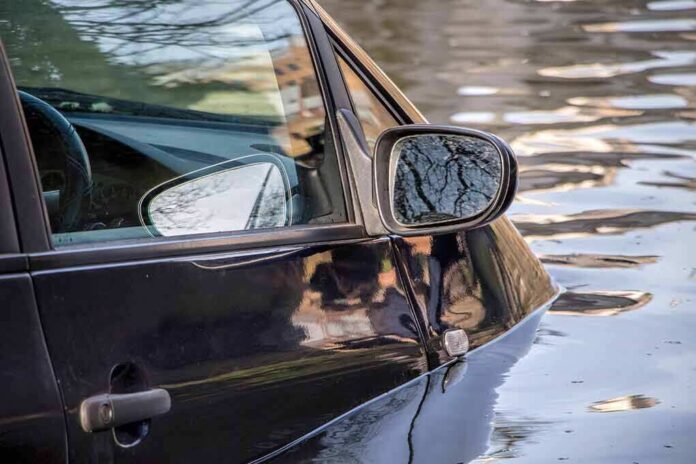
As waters rose, the strain on infrastructure became obvious. A 15‑mile stretch of US‑12 east of Morton shut down under water and debris; smaller roads across western Washington disappeared under floodwater and mudslides. Along the Green River, cities such as Kent, Auburn, and Sumner closed roads and stacked temporary barriers to shield low-lying neighborhoods and industrial corridors. Each closure rippled outward, disrupting freight, commuting, and emergency access in a region whose economy depends on just‑in‑time logistics and narrow transportation chokepoints.
Communities in the Skagit and Green River valleys have long lived with the tradeoff between fertile floodplain soil and recurring flood risk. Federal and local agencies have studied major levee and bypass projects for decades, trying to design for a so‑called 100‑year flood. This event raised a harder question: if rivers can now exceed the scenarios that shaped those investments, does it still make sense to keep building in the same zones and assume the next wall of sand and rock will save the day? That question cuts across ideology and lands squarely in the realm of practical risk tolerance.
Who Decides What Level Of Risk Is Acceptable?
Floodplain residents, farmers, small business owners, and local governments all sit on different sides of the same table when water rises. Farmers in Skagit Valley face the prospect of fields drowned long enough to damage soil and future yields; industrial parks in the Green River Valley risk equipment loss and prolonged shutdowns. At the same time, families in modest neighborhoods along these rivers often have fewer resources to relocate or rebuild, making them more exposed to both the water and the consequences of long-term policy shifts like buyouts or stricter zoning.
Technical experts at the National Weather Service and River Forecast Centers provided the backbone: rainfall totals, crest forecasts, return‑interval estimates. Elected officials had to translate that into real-world directives: evacuations, shelter operations, and, later, appeals for federal disaster aid. Commentators who frame this solely as a climate story miss part of the point. Even if climate change is amplifying atmospheric rivers, the decision to permit dense development in floodplains, to rely on aging levees, or to delay known upgrades is a human, political choice. American conservative values emphasize accountability for those choices and skepticism toward endless rebuilding in known danger zones without reform.
Beyond The Flood Crest: What Changes After The Water Recedes
Once the crests pass and rivers fall back within their banks, the harder work begins. Emergency managers, engineers, and lawmakers must tally damaged homes, washed‑out roads, stressed levees, and agricultural losses. Insurance payouts and federal assistance help, but they do not answer whether taxpayers should repeatedly underwrite rebuilding in the same high‑risk areas. Pressure will grow for levee improvements, flood bypasses, and possibly voluntary buyouts or stricter building rules in the most vulnerable corridors, especially in places like the Skagit and Snohomish basins.
Coverage of these floods already intersects with a broader discussion about whether the Pacific Northwest is ready for more frequent extremes and potential climate migration. Any honest reckoning should blend sober science with common-sense priorities: protect life first, safeguard critical infrastructure, respect property rights, and demand that long-term land-use decisions reflect the actual risk, not yesterday’s averages. Atmospheric rivers do not vote, lobby, or compromise. They simply test whether a region believed its own numbers and whether it prepared accordingly.
Sources:
Washington residents evacuate amid catastrophic flooding