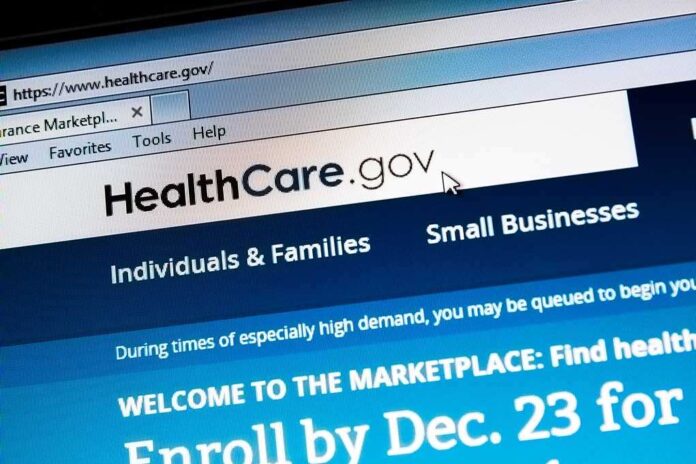
Millions of Americans face a sudden and severe increase in health insurance premiums starting January 2026 due to the expiration of enhanced Affordable Care Act subsidies amid a federal government shutdown.
Story Highlights
- The expiration of enhanced ACA subsidies will more than double premiums for many subsidized enrollees in 2026.
- A federal government shutdown deepens the crisis, delaying resolution and intensifying political blame.
- Pharmaceutical pricing reforms proceed separately, offering limited relief compared to the insurance cost shock.
- The crisis reveals a deeper structural dysfunction in U.S. healthcare financing and political gridlock.
The Healthcare Affordability Crisis Rooted in Policy Choices
The United States faces a healthcare cost crisis that is not solely driven by market forces but largely by deliberate political decisions. Enhanced premium tax credits, introduced during the COVID-19 pandemic to ease insurance costs, are set to expire at the end of 2025. This expiration will cause premium payments for subsidized marketplace enrollees to more than double in 2026, from an average of $888 annually in 2025 to $1,904, an increase of 114 percent. This shock hits middle-class and working families hardest, who had benefited from temporary relief but now confront steep increases amid already rising medical inflation.
Political Deadlock and Shutdown Deepen the Crisis
Negotiations over extending these subsidies have stalled amid a federal government shutdown that began in October 2025. Democrats have tied continued government funding to maintaining the enhanced subsidies, framing Republicans as responsible for the looming “premium apocalypse.” Meanwhile, many Republicans argue that these pandemic-era measures were temporary and should not become permanent entitlements. The shutdown, now the second-longest in U.S. history, prevents a timely resolution, leaving millions exposed to sticker shock as open enrollment began November 1 with new premium rates posted publicly.
Some Republican lawmakers, such as Rep. Marjorie Taylor Greene, have shifted positions after seeing the personal impact of premium hikes, requesting subsidy extensions. Yet, the fundamental deadlock remains, with no guarantee that ending the shutdown will translate into a sustainable healthcare agreement. This political paralysis underscores a deeper systemic dysfunction in how healthcare affordability is addressed in the United States.
Pharmaceutical Pricing Reforms Offer Limited Offsets
Parallel to the insurance subsidy dispute, the Trump administration in 2025 pursued a strategy to reduce drug prices through “Most-Favored-Nation” pricing agreements. Several deals with major pharmaceutical manufacturers were announced, bringing down prices on drugs like Ozempic and Wegovy from over $1,000 per month to around $350. While these reforms represent progress in drug cost containment, their impact on overall healthcare affordability is limited compared to the looming insurance premium increases.
The contrast between pharmaceutical price reductions and skyrocketing insurance premiums highlights the complexity and fragmentation of U.S. healthcare. While drug costs may fall in select areas, broader systemic issues, such as the way insurance markets function and how subsidies are structured, continue to fuel unsustainable cost growth and consumer hardship.
Economic and Social Consequences of Surging Premiums
The immediate consequence of subsidy expiration and premium hikes will be a dramatic reduction in insurance coverage. Millions of Americans are expected to drop marketplace coverage because they cannot afford the higher premiums. The Congressional Budget Office projects 14.2 million more uninsured Americans by 2034 due in part to these policy shifts, worsening risk pool deterioration and further driving up costs for remaining enrollees.
Healthcare costs in the U.S. have risen 600 percent since 1990, with hospital stays projected to cost $135,000 by 2040. Families already cutting back on essentials to afford care will face even greater financial stress. Emergency departments and uncompensated care systems will be strained by increasing numbers of uninsured patients, amplifying social and economic disparities.
Structural Flaws and Political Accountability
This crisis exposes fundamental flaws in the U.S. healthcare system, especially the reliance on private insurance markets subsidized by complex federal policies. Temporary pandemic relief measures masked these problems but were never sustainable. The political maneuvering, including Democrats’ use of subsidies as a bargaining chip and Republicans’ resistance to expanding entitlements, has intensified the crisis rather than resolved it.
Experts warn that the affordability crisis will worsen unless structural reforms address how healthcare is financed and delivered. In the meantime, millions of Americans confront a harsh reality: a preventable policy decision has turned into a personal financial crisis, with political calculations standing between families and affordable coverage.
As the countdown to premium hikes continues, the healthcare cost crisis illustrates the consequences of political gridlock on everyday Americans and highlights the urgent need for clear, enforceable policies that prioritize affordability and access.
Sources:
The Prospect: The Health Insurance Cost Crisis Is Now Upon Us
White House Fact Sheet on Pharmaceutical Pricing
Medicare Rights Organization on Government Shutdown and Healthcare Subsidies
PwC Healthcare Cost Trend Analysis