
Three people died when a Piper Comanche crashed on the Grand Canyon’s North Rim, ending an overnight search with a stark, final find.
Story Snapshot
- National Park Service teams found the wreckage and debris field with no survivors.
- The plane was a Piper Comanche carrying three people near the Basin area, North Rim.
- Arizona public safety aircraft used infrared and night-vision during the search.
- The National Transportation Safety Board will lead the investigation into cause.
What Authorities Confirmed And When
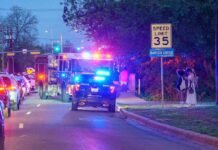
The Grand Canyon Regional Communications Center took a missing aircraft report around 11:30 p.m. on November 15. Park crews focused on the last known position near the Basin area on the North Rim. At about 10:15 a.m. on November 16, National Park Service teams located the wreckage and a debris field. Officials reported three people aboard and no survivors. They identified the aircraft as a Piper Comanche, a single engine model known for range and speed in general aviation.
Local outlets, citing federal officials, also noted an estimated crash time on Sunday evening. Some reports place that estimate at about 7:15 p.m. The National Park Service timeline anchors the search and discovery window late Sunday into Monday morning. Those paired details explain why the search launched overnight and why the on-scene confirmation came mid-morning the next day.
How Crews Searched Remote, Cold Terrain
Arizona Department of Public Safety pilots flew at night over steep, forested ground cut by cliffs. Crews used forward-looking infrared and night-vision gear to pick out heat traces and shapes against the cold backdrop. That technology helps find metal and disturbed earth in rugged country, and it reduces risk for rescuers in darkness. After those sweeps, National Park Service ground and air units located the aircraft and debris field in the Basin area.
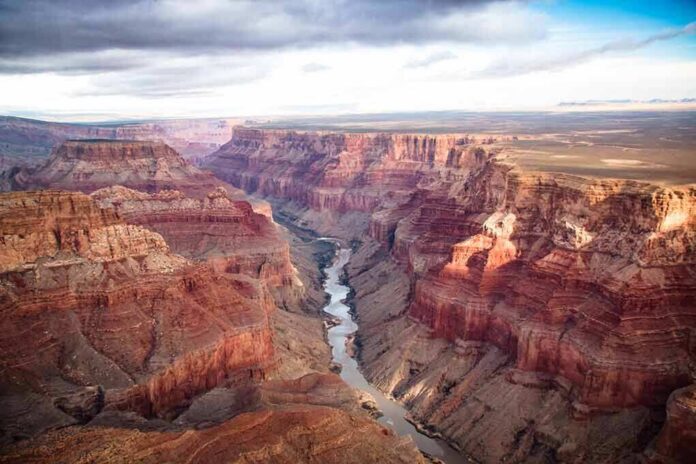
Grand Canyon National Park responders train for austere conditions. The North Rim sits higher and colder than the South Rim, with long distances to paved roads. Radios fade behind ridgelines. Helicopter access can shift with wind, icing, and cloud ceiling. Those factors extend timelines, even when teams move fast. The public sees a single update—“found at 10:15 a.m.”—but that stamp stands on hours of coordination, risk checks, and mile-by-mile coverage.
Who Investigates And What Comes Next
The National Transportation Safety Board will lead the crash investigation. The Federal Aviation Administration will support with records, while the National Park Service manages site safety and access. The National Transportation Safety Board releases a short preliminary report with early facts. The final report, which states probable cause, often takes many months. That process protects evidence, compares data, and tests each theory before it lands on a clear finding.
THREE DEAD IN PIPER COMANCHE CRASH ON GRAND CANYON NORTH RIM
A small single engine Piper PA-24 Comanche crashed on the remote North Rim of Grand Canyon National Park on the evening of November 15, killing all three people aboard.
The Federal Aviation Administration reported the…
— Sami Nathaniel (@NathanielSami) November 17, 2026
The National Park Service withheld names to allow next of kin notifications. That step is standard in fatal cases. It also explains why early updates do not include identities, flight purpose, or pilot qualifications. Reporters sometimes race ahead with theories. Common sense says wait for the record. Families and investigators deserve that space, and the public gets a cleaner answer when the National Transportation Safety Board publishes its findings.
Why This Place Challenges Pilots
Mountain flying changes the rules. Terrain funnels wind and builds turbulence. Night removes texture and robs depth perception. A single engine airplane can cross this ground, but pilots must plan fuel, altitude, weather, and turn-back options with no slack. The North Rim’s elevation trims performance even on clear days. A small change in wind or visibility can force hard choices fast. That is why training, recent experience, and conservative margins matter here.
What Readers Can Trust Today
Readers can trust this core account: a Piper Comanche with three people crashed near the Basin area of the Grand Canyon’s North Rim; National Park Service teams found the wreckage the next morning; no one survived; and the National Transportation Safety Board will determine what happened. The cause has not been stated by officials. That is not a dodge. That is the system working as designed to deliver facts over guesses.
Sources:
nypost.com, azdailysun.com, themirror.com, knau.org, yahoo.com, ntsb.gov
© restoreamericanglory.com 2026. All rights reserved.