

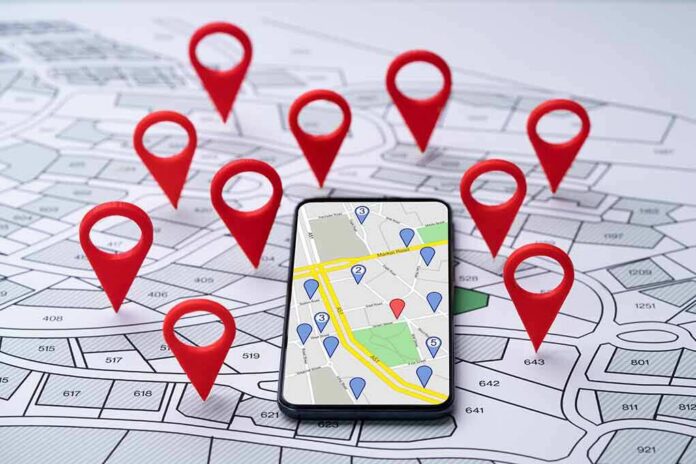
Reporters say a travel app let them trace soldiers from NATO missions to their front doors.
Story Snapshot
- Investigators say Polarsteps let them follow soldiers to homes, barracks, and missions.
- The issue reportedly reached militaries in the Netherlands, United States, United Kingdom, France, and Belgium.
- Outlets say billions of precise location points and home addresses were accessible.
- The Dutch defense ministry blacklisted the app after questions from reporters.
Reporters traced troops to homes and missions
Follow the Money reporters said they could identify and track dozens of service members through Polarsteps. They described trails to private homes, on-base barracks, and even NATO mission locations. Dutch public broadcaster NOS echoed that finding and said the tracing covered trips in the Netherlands and overseas. That claim moves this past a niche tech story and into national security risk, because precise travel logs can expose routines, units, and family addresses.
Cybernews summarized the dataset scale as massive. It reported access to over one billion GPS points tied to nearly two million trips, along with photos, videos, and profile details. Reporters said this level of detail let them pinpoint home addresses within meters. Even skeptics should accept the core math: dense trails plus names and pictures can reveal identity and place. That is enough to map a life, not just a vacation.
Exposure spanned several NATO militaries
NOS reported service members from the Netherlands, the United States, the United Kingdom, France, and Belgium could be followed through the app. That cross-border reach matters for alliance security and for families back home. If a common consumer app links identities to bases and deployments, adversaries can build target lists in hours, not months. Belgian and Dutch outlets repeated that militaries beyond the Netherlands were affected, adding weight to the risk.
The Dutch Ministry of Defence reacted fast. After questions from reporters, officials blacklisted Polarsteps from ministry devices. That response signals the ministry took the risk as real, not theoretical. Bureaucracies do not ban popular apps lightly. They do it when the downside is severe and the mitigation is simple: remove the risk path. In plain terms, they pulled the fire alarm before the house caught flame.
How public data can still endanger troops
Several outlets described a technical path through Polarsteps’ interface that allowed broad collection of trip data. Reports said people could connect to the app’s programming interface and harvest names, media, and GPS points at scale. Some said old links kept working even after users switched trips from public to “only followers.” That mix turns “public” into practical permanence. Once a link leaks, the horse is out of the barn and down the highway.
Polarsteps rejects the word “breach.” The company said journalists only accessed public trips and profile info that users chose to share. It said no passwords were stolen, no private trips were opened, and no logins were bypassed. That definition fight matters in public relations, but not in risk. If open doors let strangers map a soldier’s life, the danger is the same. Good security starts with least exposure and clear user control.
What aligns with common sense and national security
Defense ministries exist to reduce avoidable risk. A consumer app that can shadow troops to their homes is an avoidable risk. The Dutch blacklist reflects that duty. From a common-sense, conservative view, personal responsibility and strong defaults both matter. Users should share less. Platforms that touch location should lock down by default and treat links as toxic if privacy changes. Anything less invites trouble for families who never volunteered for it.
The practical path forward is simple. Military leaders should ban location-sharing apps on duty phones and near bases. Troops should disable public sharing and scrub old public trips. App makers should cut bulk access, expire stale links, and make privacy changes apply everywhere, at once. None of this is exotic. It is seatbelt-level safety for the geolocation age. The story’s lesson is blunt: what looks like vacation scrapbooks can turn into targeting files overnight.
Sources:
military.com, telegraaf.nl, nltimes.nl, nos.nl, polarsteps.com
© restoreamericanglory.com 2026. All rights reserved.