When federal immigration agents fatally shot a 37-year-old woman in Minneapolis, they ignited a firestorm that would spread to over 1,000 cities in a matter of days, transforming a single controversial shooting into the largest coordinated anti-ICE uprising in American history.
Story Highlights
- Renee Nicole Good shot dead by ICE officer during massive federal enforcement operation in Minneapolis
- Thousands march in Minneapolis as protests erupt nationwide with over 1,000 planned events
- Downtown chaos includes hotel break-ins, projectile attacks on police, and 30 arrests
- Federal officials block congressional oversight visit and exclude state investigators from probe
- Shooting occurs within mile of George Floyd memorial, amplifying symbolic impact
Federal Operation Triggers Fatal Confrontation
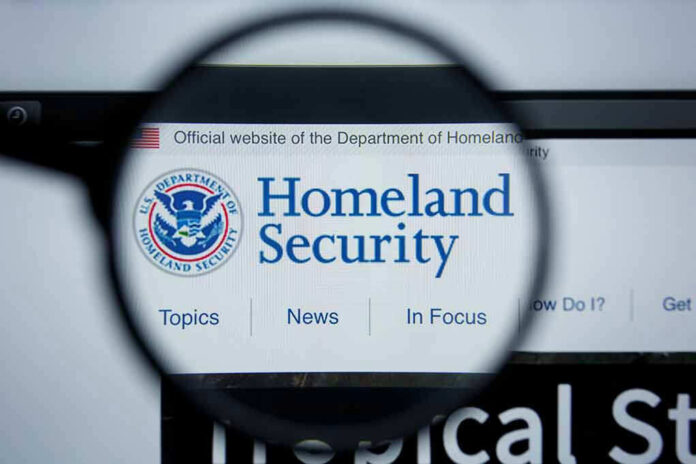
The powder keg exploded on January 7, 2026, when ICE officer Jonathan Ross shot and killed Renee Nicole Good during what the Department of Homeland Security described as the largest immigration enforcement operation in ICE history. More than 2,100 federal officers had descended on Minnesota as part of the Trump administration’s aggressive deportation crackdown, creating what many locals perceived as a federal occupation of their communities.
Federal officials immediately framed the shooting as self-defense, claiming Good attempted to run over agents with her vehicle and was “stalking and impeding” officers during their operation. Homeland Security Secretary Kristi Noem went further, branding Good’s actions as “a domestic act of terrorism.” Yet local officials who reviewed available video evidence disputed the federal narrative, setting up a credibility battle that would fuel public outrage.
Minneapolis Streets Become Battleground
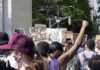
By January 9, protests had evolved from memorial gatherings into confrontational demonstrations targeting federal agents. Downtown Minneapolis became the epicenter when several hundred protesters surrounded hotels housing federal personnel, particularly the Canopy by Hilton. What started as organized protest quickly devolved into chaos as some demonstrators forced entry through a hotel alley entrance and others hurled snow, ice, and rocks at officers and vehicles.
Police response escalated rapidly. Around 10:15 PM, Minneapolis authorities declared an unlawful assembly and deployed approximately 200 officers from multiple agencies. The standoff continued until 1 AM, resulting in 29-30 arrests and one injured officer struck by a chunk of ice. City officials later urged protesters to remain peaceful while publishing detailed timelines defending their response to what they characterized as increasingly volatile situations.
National Movement Emerges From Local Tragedy
The Minneapolis shooting catalyzed something unprecedented in immigration enforcement protests. Within 72 hours, the ACLU and coalition partners had organized over 1,000 protests and vigils nationwide under the “ICE Out For Good” banner, transforming Good’s death into a national rallying cry against federal immigration policies.
Cities from Philadelphia to North Carolina held solidarity demonstrations explicitly referencing Good’s killing. The speed and scale of mobilization reflected both the symbolic power of the shooting location, occurring within a mile of George Floyd’s death, and deeper frustrations with what activists characterized as militarized federal overreach in immigrant communities. The protests remained largely peaceful despite their massive scope, though Minneapolis continued experiencing episodic confrontations.
Federal Stonewalling Intensifies Political Conflict
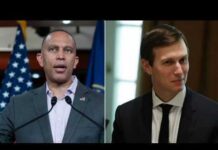
Perhaps most telling was the federal government’s response to oversight attempts. When Representatives Ilhan Omar, Angie Craig, and Kelly Morrison tried conducting a congressional oversight visit to the regional ICE headquarters, they were initially admitted then abruptly expelled from the building. Omar called it a violation of Article I oversight authority, highlighting how federal agencies were circling the wagons against any external scrutiny.
The pattern continued with investigation protocols. The U.S. Attorney’s office blocked Minnesota’s Bureau of Criminal Apprehension from participating in the probe, ensuring the FBI would lead what amounts to federal self-investigation. This stonewalling reinforced protester claims that accountability was impossible when federal agencies investigated themselves, particularly given the disputed video evidence and conflicting narratives about what actually transpired during Good’s final moments.
Sources:
Minneapolis ICE shooting: Thousands gather for anti-ICE protest in Minneapolis
City of Minneapolis Protest Update
ICE Out for Good concludes day one with overwhelming peaceful actions
Hundreds of Anti-ICE Protests Are Happening Across the Nation This Weekend
Protests against ICE planned across US after shootings in Minneapolis and Portland, Oregon
Protests against mass deportation during the second Trump administration