restoreamericanglory.com — The most powerful weapon in Trump’s latest immigration fight is not a wall or a raid, but a bank login screen.
Story Snapshot
- Trump signed a sweeping executive order telling banks to tighten how they identify customers and spot illegal-immigration-linked fraud.
- The order explicitly targets loans, credit, and accounts involving people in the country without work authorization, calling them a structural risk to the system.
- Supporters see basic common sense: do not bankroll illegal activity; critics warn of lawful immigrants and citizens getting caught in the dragnet.
- How regulators interpret this order will decide whether it becomes a narrow anti-fraud tool or a quiet financial border wall.
Trump Turns Off the Financial Welcome Sign
President Donald Trump’s new executive order on the financial system treats immigration policy like risk management, not just border control. The White House says the goal is to “protect America’s financial system from illicit activity, strengthen customer identification requirements, and address the credit risks posed by extending financial services to non-work authorized illegal aliens.” The phrase “non-work authorized” is the tell; the order goes straight at the money that keeps unlawful presence viable, from mortgages to car loans to everyday checking accounts. [2]
The order instructs the Secretary of the Treasury to issue a formal advisory to banks spelling out red flags and suspicious patterns tied to illegal labor and immigration-related schemes. That means payroll tax evasion, off-the-books wage payments, structuring deposits to dodge reporting rules, labor trafficking, and using individual taxpayer identification numbers to open accounts without any verified legal presence. The administration is saying, in effect, that the financial system has become a silent partner in underground labor markets—and that silence is no longer acceptable. [2]
The New Rules: Know Your Customer, Know Their Status
Banks have long operated under “know your customer” rules, but this order tells regulators to sharpen that concept with immigration in mind. Treasury and the financial regulators are directed to propose changes to Bank Secrecy Act regulations to strengthen customer due diligence and give banks more authority to demand additional information when risk warrants it. The same directive pushes them to reconsider what counts as valid identification, including the risks tied to foreign consular identification cards, which many undocumented immigrants rely on to open accounts. [2]
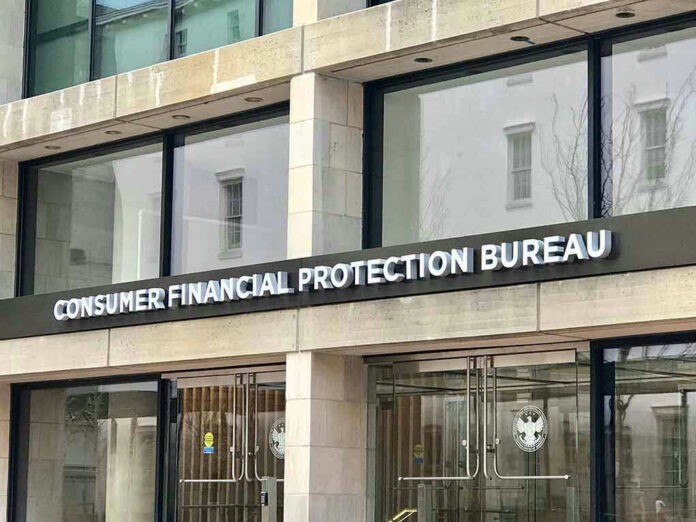
The Consumer Financial Protection Bureau is told to look at ability-to-repay rules through a new lens: deportation and loss of wages. The fact sheet says those immigration-related events can affect whether borrowers repay mortgages, credit cards, or auto loans. That is classic safety-and-soundness logic: if someone can be removed from the country or lose a job at any time, the lender may be staring at higher default risk. The order nudges regulators to treat that risk as a formal underwriting factor, not just an informal worry in back rooms. [2]
The Loophole Question: Crackdown or Overreach?
Supporters argue this is overdue housekeeping. If banks must shut accounts linked to terrorists and drug cartels, why should they ignore elaborate payroll schemes built on illegal labor or loan books filled with borrowers who legally cannot hold the jobs that support their debts? The American Bankers Association’s trade journal confirms that regulators are being pushed to strengthen customer identification and due diligence programs, reinforcing the idea that Washington believes real gaps exist in how institutions vet high-risk customers. [1]
Critics counter that the record the public can see is thin on evidence. The White House fact sheet describes “red flags” but does not show the exam reports, loss data, or suspicious activity statistics that prove undocumented customers are a systemic danger rather than a marginal problem. The same order reaches every bank, credit union, and nonbank in the system; that breadth fuels concern that lawful immigrants, visa holders, and even native-born citizens with unconventional paperwork could face heavier scrutiny or denied credit, not because they did anything wrong, but because Washington shifted the risk dial. [1][2]
Common Sense Values Collide with Real-World Friction
From a conservative, common-sense standpoint, the core premise is hard to argue with: a nation that tolerates illegal presence undermines the rule of law, and a financial system that quietly finances that presence makes the problem worse. The order attempts to align banking rules with that view by telling regulators to focus explicitly on the risks from people in the country illegally and the networks that employ and move money for them, instead of pretending that a dollar is just a dollar, no questions asked. [2]
JUST IN 🚨: Trump signs an executive order pushing the Fed to revisit how fintech and #crypto firms access U.S. payment rails.
If rules ease, this could quietly unlock banking infrastructure for crypto companies and change how money moves behind the scenes. pic.twitter.com/pscoYOsnX6
— SheTrades (@SheTrades_08) May 20, 2026
The friction arrives in the details regulators have yet to write. Stronger identity checks and broader suspicious-activity definitions rarely land only on the intended target. Banks, risk-averse by design, tend to overcomply. That could mean more documentary hoops, slower approvals, and a higher chance of “no” for anyone who looks complicated on paper. The order sets the direction; how Treasury, the Consumer Financial Protection Bureau, and the bank examiners steer within it will determine whether this becomes a targeted scalpel against financial abuse—or a blunt instrument that quietly redraws who gets to participate in American economic life. [1][2]
Sources:
[1] Web – New executive orders target banks and citizenship, nonbank access …
[2] Web – Fact Sheet: President Donald J. Trump Restores Integrity to …
© restoreamericanglory.com 2026. All rights reserved.