President Trump denied federal disaster aid to Colorado following devastating wildfires and flooding, sparking a heated political confrontation with the Democratic governor who accused the administration of playing games with emergency relief.
Story Snapshot
- Trump administration rejected Colorado’s request for federal disaster assistance
- State faced significant damage from both wildfires and flooding events
- Governor Jared Polis accused Trump of political gamesmanship
- Denial announced through governor’s office in Sunday statement
Federal Disaster Aid Process Under Scrutiny
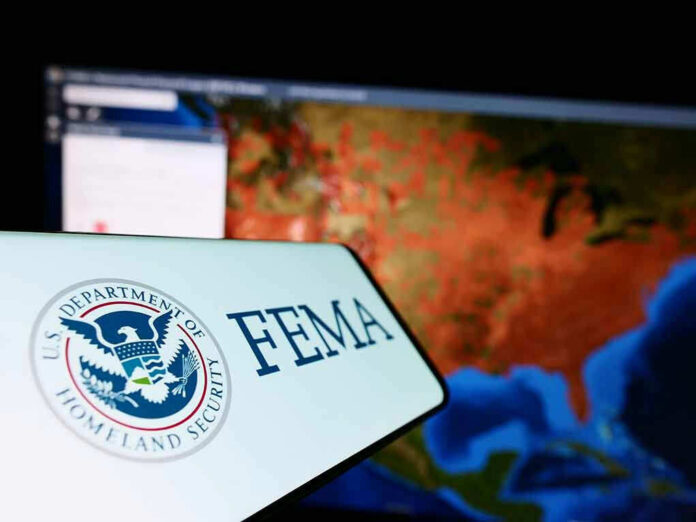
Federal disaster declarations require states to meet specific damage thresholds and demonstrate that recovery costs exceed local capabilities. The Federal Emergency Management Agency evaluates requests based on established criteria including per capita impact, damage concentration, and available state resources. Colorado’s request apparently failed to meet these federal standards, though the specific reasons for denial remain unclear in the initial announcement.
Trump denies disaster aid to Colorado for wildfires, flooding https://t.co/PkEZanBWej
— Patricia Saiger Limbacher (@PatriciaJeanLSL) December 22, 2025
Colorado’s Wildfire and Flooding Challenges
The state experienced a particularly challenging period with multiple natural disasters striking communities across different regions. Wildfires consumed thousands of acres while flooding damaged infrastructure and displaced residents. These overlapping emergencies stretched state and local resources thin, prompting officials to seek federal assistance for recovery efforts that could cost millions of dollars.
Governor Polis framed the denial as politically motivated rather than based on legitimate disaster assessment criteria. His office’s Sunday statement suggested the Trump administration prioritized political considerations over genuine emergency needs. This accusation raises questions about whether disaster relief decisions follow established protocols or reflect partisan influences during an election year.
Political Implications of Disaster Relief Decisions
Disaster aid has historically been viewed as non-partisan, with presidents typically providing assistance regardless of state political affiliation. However, recent years have seen increased scrutiny of these decisions, with critics questioning whether political calculations influence federal response times and approval rates. Trump’s relationship with Democratic governors has been notably contentious throughout his presidency.
The timing of this denial carries particular significance given Colorado’s status as a competitive swing state. Polis’s public criticism and call for reconsideration suggests Democratic leaders view this as an opportunity to highlight what they characterize as punitive federal policies. The governor’s appeal for Trump to reverse course indicates ongoing negotiations may still be possible.
State Resources and Federal Standards
Colorado maintains substantial emergency management capabilities and financial resources compared to many states, which could factor into federal calculations about disaster aid necessity. FEMA typically considers state capacity to handle recovery independently when evaluating assistance requests. The agency’s assessment likely examined Colorado’s budget situation and existing emergency funds before reaching its decision.
However, the cumulative impact of multiple simultaneous disasters can overwhelm even well-prepared states. Wildfire suppression costs alone often exceed annual budgets, while flood damage to infrastructure requires immediate attention to protect public safety. The combination of these events may have created circumstances warranting federal intervention despite Colorado’s general financial stability.