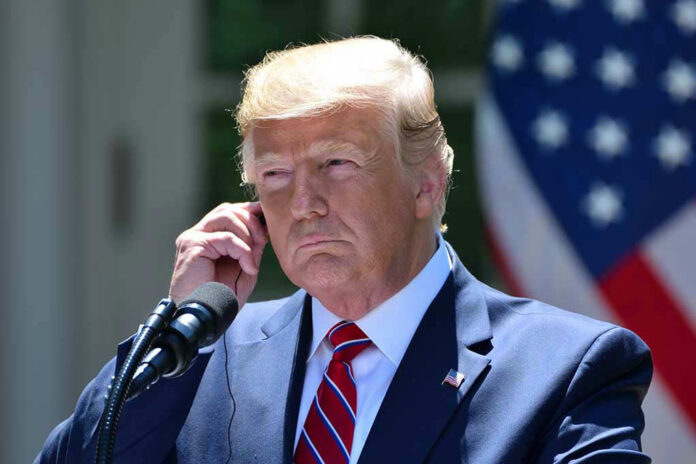
Israel’s strike on Hamas leaders in Qatar has triggered a rare public rebuke from the Trump White House, exposing cracks in US-Israel relations and putting conservative priorities—including diplomatic stability and constitutional sovereignty—at risk.
Story Snapshot
- Israel’s unprecedented airstrike in Doha killed six, including a Qatari security official and disrupted US-led ceasefire talks.
- President Trump’s administration issued a rare, direct criticism of Israel, signaling diplomatic strain with a key ally.
- Qatar and regional organizations condemned the operation as a violation of sovereignty, escalating tensions in the Gulf.
- Ceasefire and hostage negotiations are now stalled, with threats of further Israeli extraterritorial actions looming.
Israeli Strike in Qatar Challenges Trump-Era Diplomacy
Israel conducted an airstrike in Doha, Qatar, targeting Hamas’s political leadership. The operation killed five Hamas affiliates and a Qatari security official, but the top Hamas negotiators survived. This marked the first known Israeli military action on Qatari soil, a US ally and key regional mediator. The strike occurred during sensitive US-backed ceasefire and hostage negotiations, directly disrupting ongoing diplomatic efforts and raising alarms about the safety of foreign missions and regional stability.
Qatar’s government, along with the Gulf Cooperation Council and other Arab organizations, immediately condemned the attack as a blatant violation of its sovereignty. The death of a Qatari security official heightened the regional backlash, prompting Arab states to convene an emergency summit and forcing Qatar to briefly suspend, then resume, its mediation role with diminished leverage. The incident places renewed scrutiny on the effectiveness of US-led diplomatic initiatives, as Qatar’s strategic position as a mediator is now jeopardized by direct military intervention on its territory.
Trump Administration’s Rare Rebuke Signals Strained Alliances
In a departure from prior US policy, the Trump White House issued a rare public rebuke of Israel following the strike. Traditionally, US administrations have maintained close ties with Israel, but this incident exposed tension between Washington and Jerusalem. The rebuke reflected concerns over the disruption of ceasefire negotiations and the potential destabilization of a critical US ally in the Gulf. President Trump faces the challenge of balancing America’s alliance with Israel against the broader imperative of maintaining regional stability and protecting US diplomatic interests.
US officials denied prior knowledge of the Israeli operation, but speculation persists about possible tacit approval or intelligence gaps. The ambiguity of US foreknowledge has led to renewed debate among experts, with some arguing that the strike undermines international norms and threatens to embolden similar extraterritorial actions. The Trump administration’s response underscores its commitment to constitutional sovereignty, yet demonstrates the limitations and risks inherent in managing complex Middle Eastern alliances.
Impact on Ceasefire Negotiations and Regional Stability
The immediate fallout from the attack includes the breakdown of US-mediated ceasefire and hostage negotiations between Israel and Hamas. With Qatar’s role as intermediary compromised, prospects for progress toward peace are now uncertain. Arab states have intensified diplomatic pressure, and both Israeli and Palestinian civilians face heightened insecurity due to stalled talks. The incident has also triggered political backlash against both US and Israeli policies across the region, increasing the risk of broader escalation and further undermining US diplomatic standing.
Israel’s strike in Qatar triggers rare US rebuke, tests Trump’s Gulf diplomacy https://t.co/dEowP7BhZD
— Fox News Politics (@foxnewspolitics) September 11, 2025
Long-term implications extend to the erosion of trust in US mediation, possible realignment of Gulf state alliances, and new precedents for military operations in the region. Diplomatic mediation and conflict resolution efforts face fresh obstacles, while security protocols for international organizations and embassies in the Gulf will likely be reassessed. For conservative Americans, the attack and its aftermath represent a direct challenge to traditional values of constitutional sovereignty, limited government authority, and the defense of US interests abroad.
Expert Perspectives on Diplomatic Fallout and Policy Risks
Analysts and officials have raised concerns about the strategic logic of the Israeli strike and its impact on US foreign policy. Daniel Benaim of the Middle East Institute notes the “opaqueness” of US foreknowledge and the unusual nature of the public rebuke, while UN officials warn of a “new and perilous chapter” in the region. Academic commentary highlights that the attack may embolden Israel to pursue further extraterritorial operations, risking the erosion of international norms and complicating US efforts to broker peace. Diverse viewpoints emphasize the violation of Qatari sovereignty and the danger to diplomatic processes, with all major news outlets reporting consistent accounts of the diplomatic crisis and its consequences.
Sources:
Israeli strike on Hamas leaders in Doha kills Qatari security official, UN News
Understanding Israel’s attack on Qatar and what it means for the region, Mondoweiss
Israel’s strike in Qatar triggers rare US rebuke, tests Trump’s Gulf diplomacy, Fox News
Live updates: Israel strike in Doha and Arab summit fallout, The Jerusalem Post