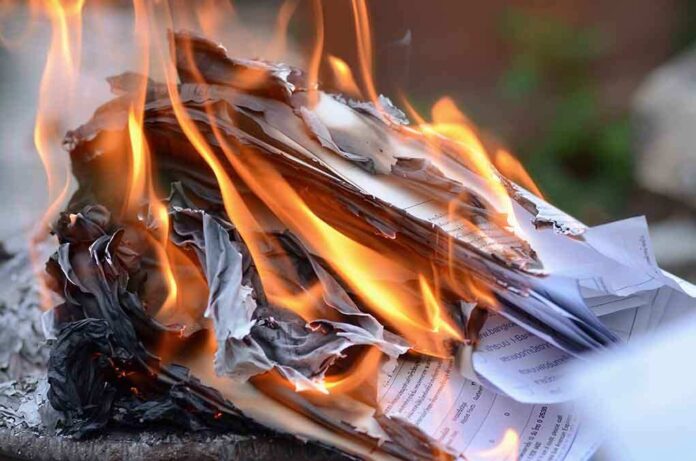
Chicago’s homeowners have discovered just how hot property tax hikes can burn, and now they’re lighting up the city’s politics with a bonfire that could spark permanent change.
Story Snapshot
- Lawndale residents staged a dramatic “property tax bonfire,” burning tax bills to protest unprecedented increases.
- Community leaders and local officials faced off over transparency, fairness, and demands for a tax cap modeled after California’s Prop 13.
- The protest exposed the disconnect between rising taxes and neighborhood investment, amplifying calls for reform.
- Cook County Treasurer Maria Pappas responded with new payment plans, but pressure for legislative action is mounting.
Tax Bills Ignite Grassroots Fury in Lawndale
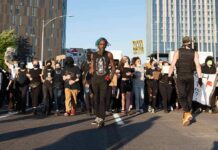
Harmony Community Church in Lawndale became the epicenter of Chicago’s property tax revolt on November 15, 2025. Hundreds of homeowners gathered, clutching bills that had surged by hundreds—sometimes nearly a thousand—dollars in a single year. Dr. Richard Townsell, along with the Lawndale Christian Development Corporation, orchestrated a protest with symbolic power: residents fed their tax bills to a public bonfire. The message was unambiguous—enough is enough. By channeling the spirit of the Boston Tea Party, residents demanded not just answers, but action, from city leaders and tax officials.
Chicago homeowners demand answers, speak out at 'property tax bonfire' https://t.co/qNScfMpsP7 #FoxNews
— Rob Beto Aragon🇺🇸🇮🇱🇻🇦 (@gopwillrise) November 17, 2025
The crowd’s anger was palpable. Stories poured out from long-time residents facing displacement, all while their streets and schools showed little evidence of the supposed benefits funded by these rising taxes. The bonfire was both protest and plea, a spark meant to catch the attention of officials and ignite meaningful reform. This grassroots display drew coverage from local media and forced elected officials into the public eye, where they confronted the consequences of opaque tax practices and neighborhood neglect.
The Roots of the Tax Revolt: Transparency and Trust on Trial
Lawndale’s tax crisis did not erupt overnight. Chicago’s property tax system, infamous for its complexity and lack of transparency, has long placed a disproportionate burden on working-class and minority neighborhoods. As gentrification crept into Lawndale, assessments soared, but so did the frustration over the city’s use of Tax Increment Financing (TIF) districts. These districts siphon property tax revenue for redevelopment, often leaving longtime homeowners footing the bill with little say or benefit. Residents saw themselves as victims of a system that extracted more while returning less, fueling suspicions that investment was bypassing their community altogether.
Officials like Cook County Treasurer Maria Pappas attempted to defuse tensions by introducing payment plans, offering up to 13 months to pay off looming bills. However, many in the audience saw this as a temporary salve for a deep, festering wound. The demand was for structural change, not mere payment flexibility. The protesters’ rallying cry: transparency and reform must replace confusion and unchecked increases. The disconnect between city officials and the lived reality of residents was on full display, raising pointed questions about who truly benefits from Chicago’s tax regime.
Policy Flashpoint: Prop 13 and the Push for Tax Caps
The bonfire protest did more than spotlight individual hardship—it catalyzed a debate over the future of property taxation in Chicago. Calls for reform echoed through the church, with many advocating for a local version of California’s Prop 13. That landmark policy, passed in 1978, capped property taxes and limited annual increases, offering predictability and relief to homeowners but sparking ongoing debate about its long-term effects on public services. Lawndale’s activists see such a cap as essential for protecting families and neighborhoods from being taxed out of their homes, especially as gentrification heats up.
Local officials, including State Rep. Yolanda Morris and State Senator Lesha Collins, faced a crossroads: side with constituents demanding a cap, or defend the city’s need for tax revenue to fund vital services. The tension between fiscal responsibility and fairness hung heavy. Academic voices warned that tax caps can starve schools and infrastructure, yet the alternative—unchecked hikes—threatens to erode the very communities those services are meant to serve. This debate, now thrust into public view, is poised to shape Chicago’s political landscape for years to come.
The Long Game: Will the Bonfire’s Heat Last?
The “property tax bonfire” is more than a headline—it’s a signal flare. Residents have moved from private frustration to public activism, leveraging collective power to demand a seat at the table. In the short term, they’ve won expanded payment options and forced officials to reckon with the consequences of decades-old policies. In the long term, they have set the stage for possible legislative reform that could reshape property taxation citywide. The outcome remains uncertain, but the bonfire’s embers continue to smolder, fueled by a community unwilling to be ignored. The next move belongs to city and state lawmakers, who must decide whether to douse the flames with genuine reform or risk letting them spread even further.
As Chicago watches Lawndale, the stakes are clear: the battle over property taxes is about more than numbers on a bill—it’s about who gets to stay, who gets to thrive, and who gets to decide the future of the city’s neighborhoods. The bonfire’s glow may fade, but its aftershocks will shape the city’s politics and policies for years to come.
Sources:
Chicago homeowners speak out on new property tax increases at bonfire on West Side