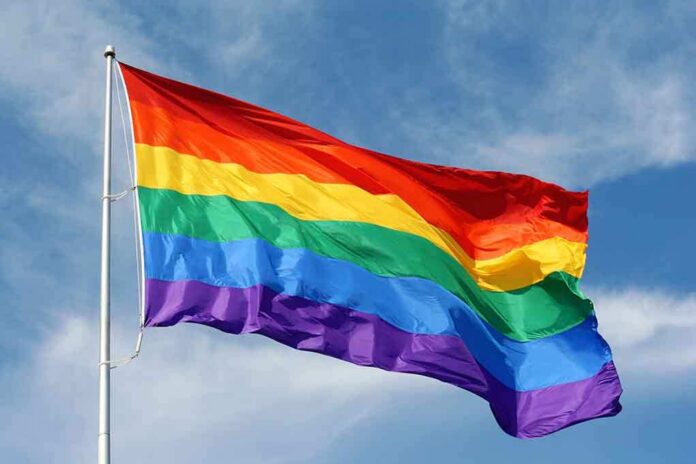
Turkey just told a ship full of LGBTQ Americans, and the movement behind them, exactly where its red lines are.
Story Snapshot
- Turkey blocked an all-gay American cruise from docking, citing “moral standards” and “family values.”
- Local officials said the passengers were “known for behaviors” incompatible with Turkish society.
- The cruise company says it is the first time in 36 years they were refused solely because of identity.
- The clash exposes a widening gap between Western LGBTQ expectations and conservative Islamic norms.
Turkey’s message to an all-gay cruise was blunt and unmistakable
Officials in Turkey did not hide behind vague security talk or paperwork glitches. They told an all-gay cruise full of mostly American passengers that the ship would not be welcome in Kusadasi or Istanbul because the event violated the country’s “moral standards” and “family values.” Local authorities in Aydin province, where Kusadasi sits, said there was “absolutely no possibility” of the group visiting for “an event of this nature.” That is government language for: your lifestyle is the problem.
🇺🇸🇺🇸🇹🇷 Turkey blocks American LGBTQ+ cruise from docking, citing ‘moral standards — CNN News 19 hour ago
Turkish authorities have banned a cruise ship catering to American LGBTQ+ travelers from docking in the country’s ports, citing “moral standards” and “family values,” the- pic.twitter.com/00mFxgmf2Q
— IEW Latest News (@IEWLatestNews) July 6, 2026
The cruise was organized by Atlantis Events, a long-running American company that markets gay vacations and has visited Turkish ports many times before. This trip on Virgin Voyages’ Scarlet Lady was a standard Mediterranean route, promoted a year in advance, with stops in Greece, Turkey, and beyond. Passengers planned to tour historic sites, shop, eat, and then sail on. No protests, no activism, no political stunt was advertised. The label that changed everything was simple: all-gay cruise.
How the ban unfolded from nightclub invite to national rejection
The chain of events started in a way that would sound trivial to most travelers. A nightclub in Turkey reportedly posted a social media invite aimed at “Virgin Atlantic cruisers,” welcoming them to visit the venue. The post drew attention and backlash. The club later apologized, but the damage was done. Within a short window of time, higher-level officials stepped in and canceled the ship’s port calls, citing moral reasons and incompatible behavior. A small local post became the spark for a national-level ban.
Passengers say they received an email explaining that “circumstances beyond our control” forced a change of itinerary, with Turkey removed and new stops added in Cairo and Crete instead. Atlantis Events’ chief executive officer, Rich Campbell, told reporters this was the first time in 36 years the company had been explicitly denied docking because of who their clients are, not because of security, capacity, or logistics. That claim matters because it shows the ban was not routine port management; it was identity-based exclusion.
The official justification: moral standards, family values, and societal fabric
Aydin province’s public statement did more than close the harbor. It described the ship as chartered by groups “known for behaviors incompatible with the fabric of our society and our moral values.” No specific illegal acts were named. No incidents, arrests, or threats were listed. The problem, in the eyes of these officials, was the nature of the group itself and what it represents in public view. The government leaned on broad cultural terms instead of pointing to clear laws.
This wording fits a wider pattern inside Turkey. Over the past decade, local and national authorities have used ideas like “moral values” and “societal fabric” to shut down Pride marches and LGBTQ events, often after first citing security or public order. Since 2015, Istanbul’s Pride march has been repeatedly banned, and similar reasons of morality and social norms frequently appear in official language. That pattern suggests this cruise was not a one-off but part of a larger shift toward moral-based restrictions in public space.
Diplomacy, Western outrage, and conservative common sense
The United States Embassy in Turkey tried to persuade officials to reverse the ban and failed. That is a clear sign Turkey was willing to absorb diplomatic friction rather than back down. Major Western media outlets framed the story as discrimination against LGBTQ travelers, using words like “banned” and “blocked,” and highlighting quotes about morals as proof of bias. Entertainment figures such as Patti LuPone publicly blasted the decision and made Turkey a target of cultural anger.
“A ship – a magnificent ship – full of gay men
Turkey blocks cruise ship carrying 2,000 LGBTQ+ passengers and a ‘furious’ Patti LuPone, citing ‘moral values’ | LGBTQ+ rights https://t.co/RJwwTmIeUC
— Carl Woodward (@mrcarl_woodward) July 6, 2026
From an American conservative viewpoint, this clash exposes a simple reality often ignored in Western activism. Islamic-majority governments do not share Western sexual norms, and they are not obligated to adopt them because tourists expect it. A sovereign country decides which events and public signals it allows on its soil. You may disagree with Turkey’s moral code, but you cannot claim surprise when an explicitly gay-branded cruise tests those limits and hits a wall.
What this episode tells the LGBTQ movement about the world beyond the West
For decades, the LGBTQ movement has gained legal and cultural ground across the United States and Western Europe. Same-sex marriage, pride tourism, and corporate-backed events built a feeling that global acceptance was only a matter of time. This single cruise denial shows that assumption is shaky once you leave the West’s cultural bubble. Turkey did not quietly look away, it sent a public warning shot using the language of morals and family.
Future travelers who identify as LGBTQ will keep visiting places like Turkey, Egypt, and other nations with strong religious traditions. Many will still be welcomed as individuals. But when the trip itself is marketed as a public celebration of identity, it will collide with governments that see sexuality as a moral boundary, not a lifestyle choice. The lesson is not to stop traveling. The lesson is to stop pretending every country secretly shares Western values and will fall in line if shamed online.
Sources:
townhall.com, usatoday.com, advocate.com, cnn.com, facebook.com
© restoreamericanglory.com 2026. All rights reserved.