
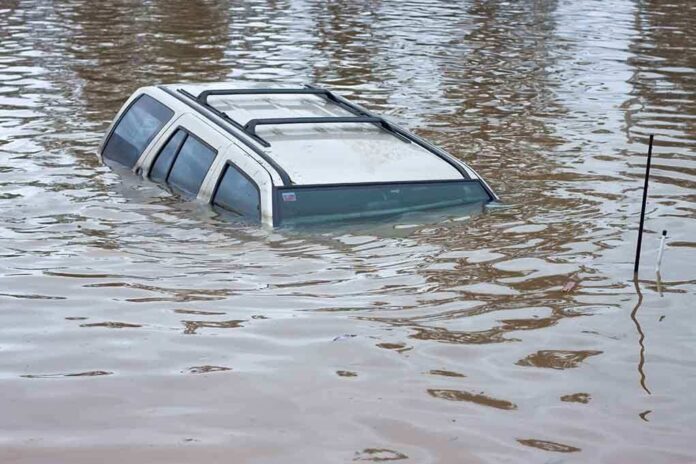
Twenty homes floated away like bathtub toys as the remnants of Typhoon Halong transformed Alaska’s coastal villages into scenes from a disaster movie, leaving residents scrambling for higher ground and emergency officials racing against time.
Story Snapshot
- Typhoon Halong’s remnants devastated tiny Alaskan coastal communities, floating homes away
- Kipnuk resident witnessed approximately 20 homes swept away by floodwaters Saturday night
- Emergency officials launched urgent evacuation and housing operations for displaced villagers
- Remote coastal villages face unique challenges during extreme weather emergencies
Nature’s Fury Strikes America’s Last Frontier
Typhoon Halong’s dying breath packed enough punch to turn Alaska’s remote coastal communities into watery graveyards of displaced dreams. The storm’s remnants unleashed devastating floods that transformed solid ground into raging torrents, carrying away the most fundamental symbol of American stability: the family home. These weren’t minor structural damages or roof repairs—entire houses became unwilling vessels on an ocean of destruction.
The scale of devastation becomes clear when considering that losing twenty homes in villages with populations often numbering in the hundreds represents a catastrophic percentage of the community’s housing stock. Each floating structure carried with it not just material possessions, but generations of memories, family heirlooms, and the basic shelter that families depend on in one of America’s most challenging environments.
Witness to Unprecedented Destruction
Brea Paul of Kipnuk found herself documenting what many thought impossible in modern America—watching neighbors’ homes simply float away into the night. Her eyewitness account of Saturday’s destruction provides a chilling glimpse into how quickly nature can overwhelm human preparation and infrastructure. The image of homes becoming temporary boats speaks to the raw power that overwhelmed these communities.
Devastated by the flooding in Western Alaska. Grateful for everyone responding—tribal & local leaders, health systems, Guard, Troopers, Coast Guard & volunteers. Please consdier giving to support the 1400 people sheltering and the 49 impacted communities https://t.co/hvUZ2aNK8J pic.twitter.com/0LwlKbPJ9F
— Anne Zink (@annezinkmd) October 15, 2025
Paul’s situation represents thousands of Alaskans who face an uncertain future after Halong’s assault. These aren’t wealthy coastal elites with multiple properties and insurance policies—these are hardworking families in remote communities where replacing a home involves logistical nightmares and financial burdens that can last generations. The remoteness that defines their way of life also complicates every aspect of recovery.
Government Response and Community Resilience
Alaska officials demonstrated the kind of rapid response Americans expect during natural disasters, immediately launching evacuation procedures and emergency housing searches. The urgency reflects not just the immediate danger, but the harsh reality that winter approaches quickly in Alaska, leaving little time for families to find adequate shelter before brutal cold arrives.
The evacuation efforts highlight both the challenges and strengths of Alaska’s emergency management systems. Moving people from tiny, isolated coastal villages requires coordination between state agencies, local authorities, and often military resources. Yet the speed of the response shows that even in America’s most remote regions, government can mobilize effectively when communities face genuine crises rather than manufactured emergencies.
Lessons from America’s Vulnerable Edge
These Alaskan communities embody the pioneering spirit that built America—people choosing to live in challenging environments, maintaining traditional ways of life, and building close-knit communities despite geographic isolation. Their vulnerability to extreme weather events reflects not poor planning or environmental negligence, but the inherent risks of life on the frontier.
The floating homes of western Alaska serve as a stark reminder that nature remains the ultimate authority, regardless of human ambition or technological advancement. While climate activists may seize on such events to push political agendas, the reality for these families is far more immediate: finding shelter, rebuilding lives, and maintaining the resilient communities that represent Alaska’s enduring character.
Sources:
1 dead, 2 missing and dozens rescued after remnants of a typhoon lash western Alaska