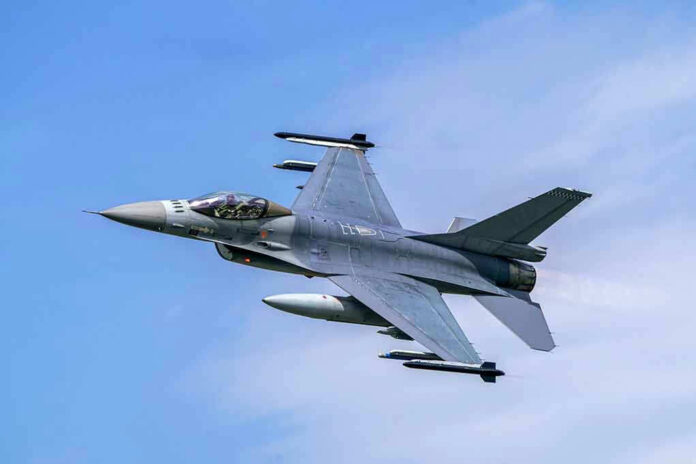
In just seconds, a spectacle meant to showcase national pride turned into a global reckoning for India’s most ambitious fighter jet—while the world watched in stunned silence, a fireball over Dubai forced urgent questions no one expected to ask.
Story Snapshot
- An Indian Air Force Tejas fighter jet crashed in a dramatic blaze during a Dubai Air Show demonstration, killing the pilot and halting festivities.
- This marks the first fatal Tejas crash at an international event, putting India’s defense industry and export hopes under the microscope.
- Immediate emergency response and coordinated investigation efforts signal high stakes for both national reputation and international safety standards.
- The cause of the crash is under formal inquiry, with global aviation and defense sectors watching closely for answers.
Fatal Fireball Disrupts Dubai Air Show
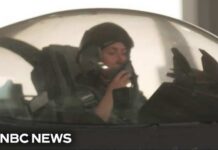
A thick plume of black smoke curled skyward above Al Maktoum International Airport as crowds watched the Indian Air Force’s Tejas fighter jet disintegrate in a fiery crash during the Dubai Air Show. The fatal accident, which occurred on November 21, 2025, killed Wing Commander Namansh Syal instantly and sent shockwaves through families, aviation professionals, and defense officials attending one of the world’s largest air exhibitions. The drama unfolded during a scheduled aerobatic display, shattering the event’s festive mood and triggering a rapid emergency response.
The Tejas, India’s flagship indigenous fighter, had only days earlier been the centerpiece of India’s bid to impress international buyers and demonstrate its technological prowess. Instead, the crash forced the Indian Air Force and Hindustan Aeronautics Limited (HAL) into crisis mode, as officials from both India and the United Arab Emirates scrambled to secure the crash site, issue condolences, and calm a stunned public. The Dubai Air Show continued with heightened security, but the mood was palpably changed, as somber tributes to the fallen pilot replaced the earlier celebration of aerial innovation.
Tejas Program Faces Global Scrutiny
The HAL Tejas project is more than a fighter jet—it is a symbol of Indian ambition and decades of aerospace engineering. This crash, the first fatal incident involving Tejas at an international venue, has thrust the program’s safety and reliability under intense scrutiny from potential buyers and defense analysts worldwide. For years, Tejas has boasted a strong safety record, with international airshows serving as its proving ground for export ambitions. The Dubai tragedy has abruptly disrupted that narrative, raising pointed questions about risk, reliability, and the future of indigenous defense technology in the fiercely competitive global arms market.
Airshow crashes, while rare, routinely prompt deep reviews of both aircraft performance and event safety protocols. For India, the stakes could not be higher: HAL’s export deals and the credibility of its aerospace sector now hang in the balance, as the investigation’s findings will influence not only foreign governments but also the confidence of India’s military establishment. The incident has also drawn in the UAE and Dubai Air Show organizers, who must now reassure attendees and exhibitors that every possible safeguard is in place for future events.
Stakeholders and Repercussions Ripple Outward
The ripple effects from the crash extend far beyond the immediate tragedy. The Indian Air Force must contend with the loss of a highly trained pilot and the reputational blow to its display team, while HAL faces tough questions about its flagship product’s airworthiness. Dubai’s authorities, meanwhile, are tasked with upholding the airshow’s status as a premier global event amid heightened scrutiny. Behind the scenes, senior leaders from the IAF, HAL, and the UAE Ministry of Defence are coordinating a formal inquiry, with international observers keen for transparency and accountability.
The families of IAF personnel, the Indian defense industry, and the thousands who witnessed the crash are all left grappling with the emotional and practical fallout. For attendees, the spectacle’s abrupt turn into catastrophe has raised uncomfortable questions about the risks inherent in high-profile demonstrations. The broader aviation sector is also watching, as any findings of systemic flaws or procedural lapses could trigger worldwide reviews of airshow safety standards and fighter demonstration protocols.
Industry Perspectives Point to Deeper Questions
Aviation experts and defense analysts have responded with a blend of shock and caution. Many point out Tejas’s previously spotless international safety record and urge a thorough, transparent investigation to maintain credibility for future export prospects. Some commentators highlight the need for rigorous pilot training and risk management, especially during complex displays in front of global audiences. Others warn that even a single high-profile failure can cast a long shadow over the reputation of emerging defense technologies, potentially prompting broader reviews of indigenous aircraft programs across Asia and beyond.
With the official cause of the crash still unknown, speculation abounds, but most credible voices agree on one point: the outcome of the inquiry will shape not only the future of the Tejas program but also the trajectory of India’s defense exports and its standing in the international aviation community. For now, the world waits—watching to see whether this fireball in Dubai becomes a footnote in history or a turning point for an entire industry.