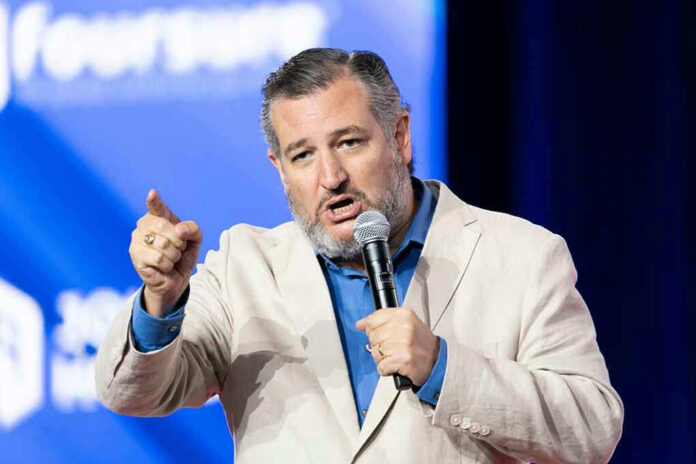
Senator Ted Cruz warns that Biden’s alleged use of an autopen machine to sign presidential pardons represents a potential constitutional crisis that could invalidate critical executive actions.
Story Highlights
- Cruz alleges Biden used autopen technology to sign pardons without personal involvement
- Constitutional scholars question the legal validity of machine-signed executive documents
- Congressional investigation launched into potential widespread use of autopen for presidential duties
- Legal experts debate whether Trump could revoke questionable autopen-signed pardons
Constitutional Concerns Over Autopen Usage
Senator Ted Cruz has raised serious constitutional questions regarding the Biden administration’s alleged use of autopen technology for presidential pardons. The autopen, a mechanical device that replicates handwritten signatures, may have been used to execute critical presidential functions without Biden’s direct participation. Constitutional scholars argue this practice undermines the fundamental requirement for presidential personal involvement in exercising executive powers, particularly the constitutionally granted pardon authority.
The controversy centers on whether mechanical reproduction of presidential signatures satisfies constitutional requirements for authentic executive action. Legal experts emphasize that presidential pardons represent one of the most significant constitutional powers, requiring personal deliberation and direct authorization. Cruz contends that delegating this authority to mechanical devices potentially invalidates the legal foundation of affected pardons and raises questions about the legitimacy of other executive actions.
Congressional Investigation Launches
Congress has initiated a comprehensive investigation into the Biden administration’s use of autopen technology for presidential documents. The probe examines the scope and frequency of autopen usage across various executive functions, including pardons, executive orders, and other official documents requiring presidential signature. Lawmakers express concern that widespread autopen use may have violated constitutional principles requiring direct presidential involvement in executive decision-making processes.
The investigation seeks to determine whether the practice was disclosed to relevant oversight bodies and if proper constitutional protocols were followed. Congressional leaders emphasize that presidential signature requirements exist to ensure accountability, deliberation, and authentic executive authority. The probe will examine internal communications, document processing procedures, and the extent to which autopen technology replaced traditional presidential signature practices during the Biden administration.
Legal Validity Questions Emerge
Constitutional law experts debate whether autopen-signed documents possess the same legal weight as personally signed presidential papers. Some scholars argue that mechanical signatures lack the constitutional authenticity required for valid executive action, particularly for irreversible powers like presidential pardons. The debate intensifies around whether affected individuals received legitimate pardons or whether the documents are constitutionally defective and potentially void.
Cruz Warns of ‘Constitutional Crisis’ Over Biden’s Alleged Autopen Pardons
https://t.co/EVCO9HA9K4— Townhall Updates (@TownhallUpdates) September 9, 2025
Legal analysts suggest that Trump’s incoming administration may challenge autopen-signed pardons in federal court, arguing they lack constitutional validity. This unprecedented situation could result in lengthy litigation determining the legal status of hundreds of potentially affected documents. The implications extend beyond pardons to encompass executive orders, legislation signatures, and international agreements that may have relied on autopen technology rather than authentic presidential authorization.