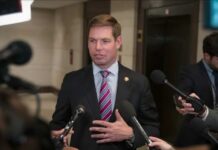

Abdul El-Sayed told voters he is both Arab and African, and that single sentence set off a fierce, very modern fight over identity, authenticity, and power in Michigan politics.
Story Snapshot
- El-Sayed publicly described himself as both African and Arab, citing his Egyptian roots.
- Polling before the primary showed Black voters favored Haley Stevens over El-Sayed by a wide margin.
- Research shows racial identity appeals can raise perceived empathy but risk backfiring if they feel tactical.
- The gap between biography and trust now defines El-Sayed’s path to November.
What He Said And Why It Landed Hard
Abdul El-Sayed said on camera that he is both African and Arab because his family comes from Egypt, and that his Arab heritage is real as is his African heritage. The line drew attention because it came amid a scramble to win over Black voters in Detroit and beyond. The claim is factually tied to geography. The political risk sits elsewhere: whether voters see the message as a bridge or as pandering in a high-stakes race.
Voters in Michigan have heard El-Sayed link identity to policy concerns in Detroit. He has spoken about economic harms to Black communities, including those he says come from some business owners who share his ethnicity. That stance flips the usual script. It asks more of his own community before asking anything of Black voters. Some commentators framed that as unusual and even jarring in a campaign season built on promises and handouts.
The Numbers That Forced The Conversation
Pre-primary polling told a blunt story: Black voters leaned toward Haley Stevens by large margins. One poll cited showed just 21 percent support for El-Sayed among Black voters, compared to 67 percent for Stevens. Election maps later showed Stevens performing better in areas with higher Black populations, even as El-Sayed won the primary overall. The signal is clear. Speeches did not yet build the trust needed to change long-held voting habits.
Campaigns that stall with a key bloc often default to louder identity talk. That is where scholarship is useful. Studies show racial outreach can lift perceived empathy and boost engagement when voters connect it to issues that affect them directly. The catch is credibility. Voters punish messages that look like shortcuts to win votes without proof of past work. That gap—between a true biography and earned trust—now drives El-Sayed’s challenge.
Identity As Biography Versus Identity As Strategy
El-Sayed’s personal story is not in dispute. He is the son of Egyptian immigrants who grew up near Detroit, built an elite academic record, and chose public health work in Michigan. That track record backs his claim that Detroit is not a new photo op but part of a longer path. Supporters point to that as proof his outreach is not a costume he puts on in election years. Skeptics counter that results, not resumes, answer whether he will deliver for Black neighborhoods.
Michigan Democrats are scrambling to rebuild a fractured coalition following a contentious Senate primary race.
Meanwhile, Republican candidate Mike Rogers and his campaign are actively working to peel away disaffected voters—particularly targeting Jewish and Black communities… https://t.co/OUHpDbf9dY pic.twitter.com/tzfC9ycTc7
— VigilanzPunk (@blockapunk) August 16, 2026
American conservative values prize straight talk, duty, and measurable results. By that yardstick, the best test of El-Sayed’s identity talk is simple: does it yield policies that improve safety, schools, small business growth, and family wealth in Black communities? The rhetoric that calls in his own community to do better carries moral weight. But voters will still ask the practical question that matters: what will change on the ground, by when, and who is accountable if it does not?
The Path Forward: Trust Is Built In Public
Winning back doubters requires tightening the link between words and outcomes. That means publishing a short list of Detroit-first goals with budgets, partners, and timelines; naming local Black-led groups as equal authors; and setting public checkpoints so anyone can track progress. Research on authenticity shows voters reward leaders who match plain language with consistent action, and who keep showing up after Election Day when cameras leave. That is the slow, visible work that moves numbers.
If El-Sayed keeps describing his identity as a reason to take responsibility, not a reason to claim votes, then his message aligns with common sense. Identity becomes a promise to fix things close to home, starting with hard asks of allies and of himself. If, instead, identity floats free from concrete gains, it will look like strategy, not service. Voters can smell the difference. November will measure which it is.
Sources:
twitchy.com, detroitnews.com, yahoo.com, newyorker.com, facebook.com, static1.squarespace.com
© restoreamericanglory.com 2026. All rights reserved.