Trump turned a gas price complaint into a direct challenge to America’s biggest oil companies.
Story Snapshot
- Trump said he told the Department of Justice (DOJ) to look into alleged price gouging at the pump.
- He argued that crude oil fell fast while gasoline prices stayed too high.
- Oil industry figures said pump prices lag because stations work through older, higher-cost inventory.
- The fight now sits between a political message and a basic question of market timing.
Trump’s Public Push Against Pump Prices
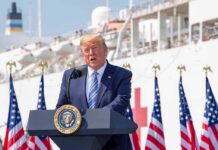
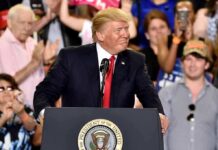
Trump publicly ordered the DOJ to investigate what he called gas price gouging, putting oil companies on notice in plain language. The claim landed in a familiar political zone: drivers feel pain, prices do not fall fast enough, and the public wants someone to blame. ABC News reported that Trump said he had instructed the DOJ to move immediately, while the Department of Justice responded that fuel prices affect every American’s wallet.[1]
The message was built for speed and anger. Trump said crude oil had dropped sharply, yet gasoline had not followed in step. He also said pump prices should be about $2.25 a gallon based on current crude costs. That number became the heart of the fight, because once a politician names a price, the debate stops being abstract and becomes personal for every driver who fills a tank.[3][4]
Why Oil Companies Say the Math Does Not Work That Way
Chevron’s chief financial officer said there is a lag between crude price declines and relief at the pump because of supply chains, refining limits, and inventory levels. Former Energy Secretary Dan Brouillette made the same basic point on Fox Business, saying stations often price fuel based on crude costs from months earlier, not the live market price. In other words, the price sign at the corner station does not reset the second crude drops.[4][8]
That lag is the key defense. Oil market voices say gasoline prices do not move in lockstep with crude during global disruption, and they say the supply chain explains the delay. Former Energy Secretary Rick Perry went further and said $2.25 a gallon is mathematically hard to reach at $70 crude because crude alone comes to about $1.67 per gallon before taxes and other costs. That does not prove every price is fair. It does show why the target itself may be unrealistic.[4][11]
The Political Power of the Gouging Charge
The charge of price gouging works because it sounds moral before it sounds technical. Drivers do not care about inventory rotation when they see a high number on the pump. Trump knows that, and he used it well. The move also fits a pattern that has followed oil politics for years: when prices rise or stay sticky, elected leaders accuse companies of profiteering, and companies answer with supply-and-demand language.[10][18]
That pattern is not new, and that matters. The Federal Trade Commission has repeatedly found no evidence that gas price spikes reflect illegal gouging, and one industry summary says those investigations have blamed market factors instead. The Arkansas Supply Chain Research Center also found gas station gross margins falling in a prior price surge, which cut against the gouging claim. Those findings do not make consumers happy, but they do weaken the case for a simple scam story.[10][14][18]
Trump ‘orders’ gas stations to lower prices or ‘big problems’.
Even though the price of oil has dropped, but the pump is still lagging. It is not the president’s order that regulates, but the market + DOJ probe gouging. Hopefully gasoline will be cheaper quickly for the people!… https://t.co/nYCrhy7Aap
— Tips Excel (@gudanglifehack) June 30, 2026
Politically, Trump’s move carries both gain and risk. It gives him a clear enemy and a simple promise: lower prices, or at least pressure on the people who set them. But Politico reported that he did not name specific companies, and that open-ended approach invites doubts about scope and proof. Critics also called the move political theater, which fits the broader worry that a public demand can look like action even before any formal case appears.[3][4][21]
What Comes Next If the Probe Is Real
If the DOJ probe becomes formal, the story shifts from rhetoric to records. The most useful evidence would be company pricing data, refinery inventory reports, and regional margin comparisons across states. Those records would show whether prices stayed high because of genuine lag, local taxes, or something more troubling. Until then, the public is left with two competing stories: one about gouging, the other about timing, math, and the ugly mechanics of fuel pricing.
Sources:
[1] Web – “DROP YOUR PRICE FOR OUR GREAT AMERICAN PEOPLE!”
[3] Web – Trump alleges gas price gouging, calls for DOJ investigation
[4] Web – Trump Orders DOJ Probe of Oil Firms, Alleges Pump Price ‘Gouging’
[8] Web – Trump says he ordered DOJ to probe gas price ‘gouging’
[10] Web – Ranking Member Markey Calls for Immediate Investigation into Big …
[11] Web – Price Controls and Price Gouging – US Oil & Gas Association
[14] YouTube – Trump warns oil companies about suspected price gouging
[18] Web – The Oil Industry’s Ability to Affect American Elections
[21] Web – Why Do Gasoline Prices Fall Slower Than They Rise?
© restoreamericanglory.com 2026. All rights reserved.