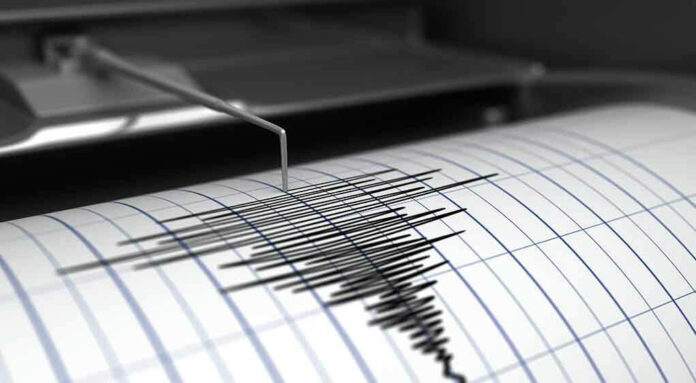
A magnitude 6.3 earthquake turned a Mexican president’s morning address into a real-time demonstration of why Mexico’s seismic alert system exists—and why millions of people still hold their breath every time the ground starts shaking.
Story Snapshot
- Magnitude 6.3 earthquake struck 280 kilometers south of Mexico City on January 2, 2026, at 7:58 a.m.
- Emergency sirens interrupted President Claudia Sheinbaum’s live speech as seismic alerts activated
- Shallow 10-kilometer depth amplified shaking across the densely populated Mexico City metropolitan area
- No major damage or casualties reported in initial assessments, but widespread evacuations occurred
Presidential Address Becomes Earthquake Drama
President Claudia Sheinbaum was mid-sentence during her public address when emergency sirens began wailing across Mexico City. The timing was almost cinematic—a national leader speaking to her people as the earth literally moved beneath their feet. The shallow earthquake, centered in Estado de Guerrero near Chilpancingo, sent seismic waves racing toward the capital at precisely 7:58 a.m. local time.
The president’s composed response to the interruption showcased Mexico’s hard-learned earthquake preparedness. Since taking office in October 2024, Sheinbaum hadn’t faced a significant seismic event until this moment. Her handling of the real-time crisis would set the tone for her administration’s disaster response capabilities.
The Shallow Danger That Amplifies Fear
Seismologists immediately flagged the earthquake’s 10-kilometer depth as the critical factor that transformed a moderate-magnitude event into widespread concern. Shallow earthquakes pack more punch at the surface, and this one struck in Mexico’s most seismically active region where the Cocos Plate grinds beneath the North American Plate along the Pacific Ring of Fire.
The German Research Center for Geosciences confirmed the parameters that made this quake particularly unsettling for Mexico City residents. The capital sits on an ancient lakebed with soft soils that amplify seismic waves like a geological megaphone. This geological reality turned the 1985 magnitude 8.0 earthquake into a catastrophe that killed approximately 10,000 people, forever changing how Mexico approaches earthquake preparedness.
Mexico City’s Seismic Nightmare Memories
Every earthquake in Mexico City carries the psychological weight of September 19—a date that haunts the collective memory. The devastating 1985 quake occurred on that date, and remarkably, the deadly 2017 Puebla earthquake that killed 370 people also struck on September 19. While this January earthquake didn’t approach those magnitudes, the shallow depth triggered the same visceral fear among the 22 million people in the metropolitan area.
Buildings swayed, office workers evacuated, and the familiar sound of seismic alarms transported residents back to their worst memories. The SASMEX early warning system, operated by Mexico’s National Seismological Service, performed exactly as designed—giving people precious seconds to take cover or evacuate before the strongest shaking arrived.
Technical Success Amid Human Anxiety
Mexico’s earthquake early warning system proved its worth once again, detecting the initial seismic waves and broadcasting alerts across the region within seconds. The system has undergone significant improvements since 2017, incorporating lessons learned from each major earthquake. Reports began emerging within 12 minutes of the initial quake, demonstrating the rapid information flow that modern seismic monitoring enables.
The Guerrero epicenter’s rural location likely limited structural damage, but the earthquake’s reach into Mexico City created the most significant impact. Infrastructure checks and aftershock monitoring became immediate priorities as emergency management officials coordinated federal and state responses. CENAPRED, Mexico’s National Disaster Prevention Center, activated protocols while local governments managed on-ground evacuations and building inspections.
Sources:
Very strong mag. 6.4 earthquake – Estado de Guerrero, 280 km south of Mexico City – VolcanoDiscovery